Cannabis Pests and Solutions don’t have to be scary. Have you ever spent hours tending your plants only to find tiny invaders munching away? Whether it’s sneaky spider mites, stubborn fungus gnats, or mischievous aphids, these little guys can stress your plants and slow growth before you even notice.
The good news is you can stay ahead of them. Take a few minutes each day to peek under leaves, watch for sticky residue, and maybe keep a magnifying glass handy. Invite some helpful friends like ladybugs or predatory mites, give neem oil a try if needed, and make sure your grow space has good airflow and balanced humidity.
Prevention really is the easiest path to success. Keep things tidy, quarantine new plants, rotate crops when possible, and feed your plants with care. Healthy plants naturally fend off pests, and with a little attention, your garden can stay strong, vibrant, and full of life. By learning these tricks, you’ll enjoy a harvest that makes all your hard work worth it.
Common Cannabis Pests That Threaten Your Plants
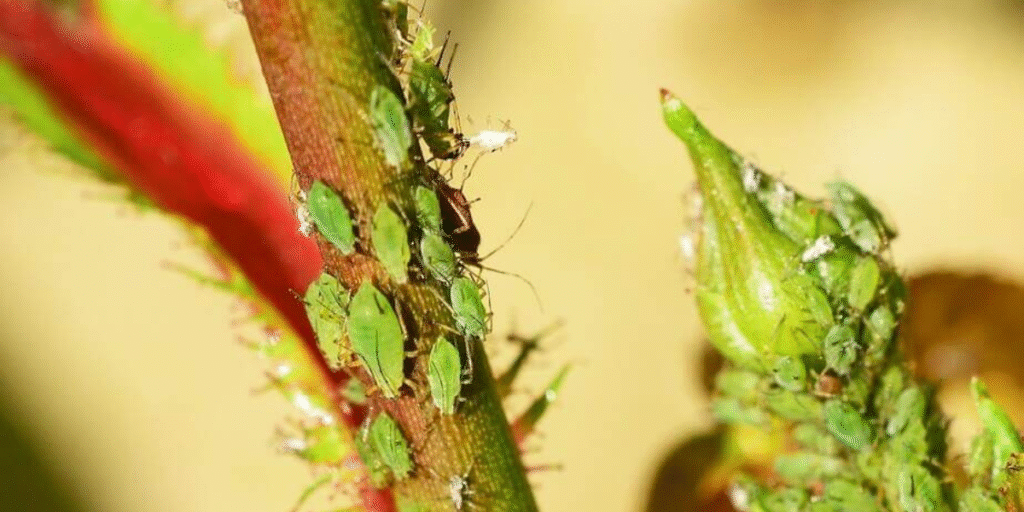
1. Aphids
These tiny little green, black, or gray bugs love sucking your plant’s sap and can multiply crazy fast. You’ll notice curling yellow leaves, sticky honeydew on leaves, or even ants crawling around. A good fix? Spray some neem oil, let ladybugs do their thing, or use insecticidal soap to keep them under control.
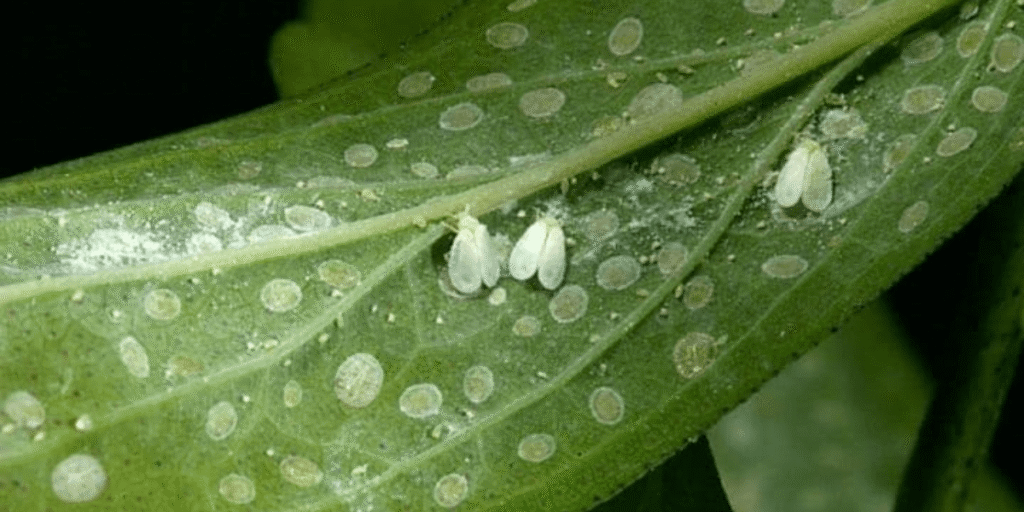
2. Whiteflies
If you see small white moth-like bugs fluttering under your leaves, those are whiteflies. They leave your leaves yellowed, sticky, and sometimes covered in mold. Yellow sticky traps work wonders, neem oil sprays help, and for a more natural approach, you can try biocontrol with Lecanicillium lecanii fungus.
3. Thrips
These tiny, slender bugs scrape the leaf surfaces, leaving silvery streaks behind. Watch for silvery or bronze spots and twisted or distorted leaves. Blue sticky traps, spinosad sprays, or predatory mites can help you take back control.
4. Leafhoppers
Fast and jumpy, leafhoppers suck sap and can even spread plant viruses. If you see leaf spotting, yellowing, or stunted growth, they might be to blame. Insecticidal soap, row covers, or reflective surfaces can deter them.
5. Cutworms
Chubby little larvae that chew stems at soil level, mostly at night. If your seedlings droop or die overnight, cutworms might be sneaky culprits. Sprinkle diatomaceous earth around stems and hand-pick them at night to stop them in their tracks.
6. Slugs and Snails
If you notice irregular holes and shiny slime trails, you’ve got slugs or snails hanging around. Copper tape, beer traps, or a nighttime patrol with a flashlight can keep them away.
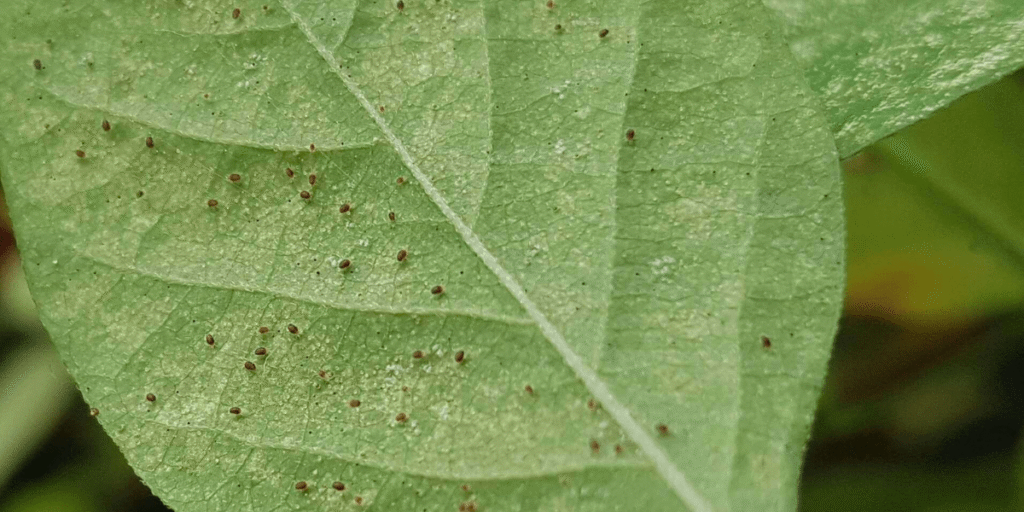
7. Spider Mites
These microscopic monsters suck leaf juices and spin delicate webs. Yellow speckles on leaves or visible webbing is your tip-off. Treat with mite-specific insecticides, neem oil, or let ladybugs handle them naturally.
8. Fungus Gnats
Tiny flies that love damp soil. They can stunt growth and weaken roots. Let the soil dry out a bit, top it with sand, or treat with Bacillus thuringiensis israelensis (BTI) to break their lifecycle.
9. Root Aphids
These underground pests can go unnoticed while your plants wilt and struggle. Use neem oil or BTI soil drenches, and sticky traps for early detection.
10. Broad Mites
So small you might mistake them for nutrient issues. Twisted new growth or brittle leaves are your warning signs. Insecticidal sulfur or predatory mites like Amblyseius swirskii can save the day.
Preventing Cannabis Pest Problems from the Start
1. Biological Control: Let Nature Do the Work
One of the coolest ways to manage pests is by inviting the right helpers into your grow space. Ladybugs, parasitic wasps, and predatory mites can naturally keep pests in check. You can also use biopesticides,Bacillus thuringiensis (BT) works well against caterpillars, and Lecanicillium lecanii is great for tackling whiteflies and aphids. Think of it as calling in reinforcements without touching harsh chemicals.
2. Environmental Control: Make Your Grow Space Unfriendly to Pests
Pests and mold love chaotic environments. Keeping your humidity and temperature balanced makes life harder for them. Fans or natural ventilation not only move fresh air around but also prevent stagnant pockets where bugs love to hide. A little airflow goes a long way in keeping your plants healthy and happy.
3. Physical Barriers: Keep the Unwanted Out
Sometimes the simplest solutions are the best. Installing insect screens on vents and windows is an easy way to block intruders. Sticky traps are also a lifesaver,yellow for aphids and whiteflies, and blue for thrips. It’s like setting up a little bug checkpoint that keeps your plants safer.
4. Chemical Control: Use Smart, Gentle Options
Chemicals should be your last resort, but there are safe options. Organic pesticides like neem oil, insecticidal soap, and horticultural oils work without being too harsh. Just make sure you follow pre-harvest guidelines so your buds stay clean and tasty.
Best Tools to Monitor and Control Cannabis Pests
Checking your plants regularly is the best way to stay ahead of pests. Make it a habit to inspect them at least twice a week, paying close attention to the undersides of leaves and the soil surface where sneaky bugs like to hide.
Sticky traps are a lifesaver for spotting problems early, and a good magnifying glass can help you catch tiny critters before they become a big headache.
It also helps to keep a simple pest log. Jot down what you see and any treatments you try. Over time, this makes it much easier to spot patterns and know exactly what works for your grow.
Crop Rotation: A Strategy to Reduce Cannabis Pest Risks
One of the easiest ways to reduce pest problems is to mix things up in your garden. Try rotating cannabis with crops like beans, herbs, or brassicas. This confuses pests and breaks their life cycles so they can’t settle in for the long haul.
Another trick is to plant herbs that naturally repel bugs. Basil is great for keeping mites away, rosemary can help fend off whiteflies, and marigolds are perfect for deterring aphids.
You can even use “trap crops” like sunflowers or okra to draw pests away from your cannabis. It’s a simple, natural strategy that keeps your plants healthier and your garden more balanced.
Improve Soil Health to Deter Cannabis Pest Issues
Healthy soil makes for happy, resilient plants, and it can really help keep pests under control. Start by enriching your soil with good compost or worm castings. This not only feeds your cannabis but also strengthens its natural defenses.
Good drainage is key too. Damp, soggy soil is like a playground for fungus gnats and slugs, so make sure water flows well and doesn’t pool around your roots.
Beneficial microbes are another secret weapon. Introducing friendly microbes like Trichoderma or Bacillus subtilis can help your plants fight off diseases naturally.
If you’re worried about underground pests, try raised beds lined with fine mesh. It’s a simple way to block unwanted visitors while keeping roots happy and healthy.
Emerging Cannabis Pest Threats to Watch in 2025
Even though you may already be familiar with common pests like whiteflies, aphids, thrips, leafhoppers, cutworms, slugs, and snails, they’re not going anywhere. Staying alert and checking your plants regularly is your best defense. Think of it as keeping a watchful eye on your little green friends, they’ll reward you with healthy growth if you catch trouble early.
Simple Tricks to Keep Cannabis Pests Away Naturally
Keeping pests away doesn’t have to be complicated. You can invite helpful insects like ladybugs and predatory mites to do some of the work for you, or use gentle biopesticides that target the bad guys without harming your plants.
The environment matters too. Make sure your grow space has the right temperature, humidity, and airflow pests don’t like it when conditions aren’t ideal.
Simple barriers go a long way. Fine mesh screens on vents and windows can block unwanted visitors, and sticky traps are an easy way to catch them before they get out of hand.
If you do need to spray, stick to organic options and always follow the safety guidelines, especially before harvest. A little care now keeps your plants happy and healthy later.
Long-Term Cannabis Pest Management Tips That Work
Keeping pests under control is all about staying ahead of them. Make it a habit to check your plants at least twice a week. Grab a magnifying glass if you need to and jot down what you see in a little pest journal. Over time, you’ll start noticing patterns and can act before small issues turn into big problems.
Think about rotating your crops or planting pest-repellent herbs like basil, rosemary, or marigolds nearby. These natural strategies confuse pests and keep them from settling in for the long haul.
Healthy soil is your secret weapon. Feed it with compost and beneficial microbes, and consider raised beds lined with mesh to block underground troublemakers. When your soil is happy and thriving, your plants become stronger and more resilient to pests naturally.
How to Spot Cannabis Pest Problems Early
Catching pests early can save you a lot of headaches. Keep an eye out for warning signs like leaves that are curling, yellowing, spotted, or just not growing as fast as they should. These little hints often pop up before the problem spreads.
Some areas are more inviting to pests than others. Check corners with poor airflow, humid spots, or places where new plants have just been introduced. These “hot spots” are where trouble usually starts.
During high-risk times, like when the seasons change or you bring new plants into your garden, step up your inspections. A quick daily walk-through can make all the difference.
Keeping a simple pest journal can also be a game-changer. Jot down what you see and when, and over time you’ll start spotting patterns. This helps you act faster and smarter before a small issue turns into a full-blown infestation.
A Step-by-Step Guide to Cannabis Pest Control
1. Organic Methods: Safely Solving Cannabis Pests
If you want to deal with pests without harsh chemicals, there are plenty of safe and effective options. Neem oil is a classic just mix a small amount in water and give your leaves a gentle spray every few days. Try to avoid the hottest part of the day so your plants don’t get extra stress.
Releasing beneficial insects like ladybugs, lacewings, or even praying mantises can feel like having your own tiny pest-fighting army. They love snacking on aphids, whiteflies, and other common troublemakers.
Diatomaceous earth is another handy tool. A light dusting around your plants can help deter crawling insects. Just remember to wear a mask when applying it, because the fine powder can be irritating.
Insecticidal soaps are gentle but effective. A diluted spray applied directly to pests can knock them back without harming the helpful bugs in your garden if you’re careful.
For something homemade, garlic and chili sprays work surprisingly well as preventive measures. They keep pests at bay while letting your plants thrive naturally.
2. Chemical Solutions: Necessary Pest Solutions
Sometimes pests just won’t quit, and a gentle chemical touch is needed. Pyrethrin sprays can help, but use them carefully spray in the evening when the lights are off and make sure your grow space is well-ventilated.
Always follow the rules and check pre-harvest intervals so your buds stay safe to consume. Think of pesticides as a last resort rather than a first go-to, and avoid systemic chemicals unless you have expert guidance.
With careful use, you can tackle persistent pests without putting your plants or harvest at risk.
Daily Cannabis Pest Prevention and Maintenance Tips
Keeping pests at bay doesn’t have to be stressful. A few simple daily habits go a long way. Start by keeping your tools clean and your grow space tidy. Pests and diseases love dirty corners, so a quick wipe down can prevent big problems later.
Pay attention to the environment. Try to keep temperatures between 20 and 28°C and humidity around 50 to 60 percent. Fans, dehumidifiers, and simple climate sensors make this much easier, and stable conditions keep plants happy and pests away.
Sticky traps are your silent helpers. Place them just above the canopy and near the soil, and swap them out weekly to catch pests before they get out of hand.
Any new plant entering your grow room deserves a little quarantine time—seven to fourteen days is ideal. Use this period to monitor and treat preventively.
Always start with clean materials. Sterilized soil or hydroponic media and trusted nutrients make a big difference. And remember, overwatering is a common invitation for fungus gnats and root pests. Let the topsoil dry out between waterings and make sure your drainage is solid.
Finally, take a few minutes each day to inspect your plants, especially during high-risk times like seasonal changes or when introducing new crops. A sharp eye today can save you a lot of trouble tomorrow.
Advanced Solutions for Stubborn Cannabis Pests
1. Integrated Pest Management (IPM): A Comprehensive Approach
Think of IPM as your all-in-one strategy to stay ahead of pests without overloading your garden with chemicals. It’s about using a mix of tricks that work together so your plants stay healthy and happy.
Start with monitoring. Walk through your garden regularly, peek under leaves, check the soil, and use sticky traps or a magnifying glass if needed. The more you observe, the sooner you catch a problem before it spreads.
Next, set your action thresholds. Not every bug you see needs an aggressive response. Decide what level of pests you can tolerate so you only take action when it really matters. This keeps your garden balanced and avoids unnecessary sprays.
When it’s time to act, use targeted methods. Invite beneficial insects, rotate crops, keep things clean, and only spot-treat with chemicals if you really have to. Combining different approaches makes your garden stronger and more resilient.
Finally, evaluate and learn. Keep a simple log of what worked and what didn’t. Over time, you’ll fine-tune your routine, making pest control easier and more effective every season.
2. Biological Controls: Beneficial Organisms for Your Grow
One of the coolest ways to fight pests is to let nature do the work for you. Instead of reaching straight for chemicals, you can invite helpful little creatures into your garden.
Predatory Mites are tiny but mighty. They love snacking on spider mites and can keep them under control without you lifting a finger.
Ladybugs are classic garden heroes. They’ll happily munch on aphids and other soft-bodied pests, and watching them in action is honestly pretty fun.
Parasitic Wasps might sound scary, but they only go after whiteflies. They won’t bother your plants or you, and they are surprisingly effective.
Beneficial Nematodes live in the soil and target sneaky underground pests like fungus gnats and root aphids. They quietly patrol the roots and help keep your plants healthy from the ground up.
Using these little helpers is a gentle, eco-friendly way to maintain balance in your garden. Once you see them at work, you’ll wonder why you ever relied on chemicals alone.
3. Cultural Practices: Growing Techniques to Deter Pests
Sometimes the best pest control is just good everyday habits. Keeping your grow space clean and organized goes a long way. Pests love hiding in clutter, so a tidy garden is already one step ahead.
Be careful not to over-fertilize. While it’s tempting to feed your plants heavily, super lush growth can attract unwanted visitors like aphids and spider mites. A balanced approach keeps your plants healthy and less appealing to pests.
Consistency is key with watering too. Stress from too much or too little water makes your plants weaker and more inviting to bugs. Stick to a steady routine and your plants will thank you.
If you do spot a problem, act fast. Remove any infested leaves or stems immediately to stop pests from spreading. A little vigilance goes a long way and can save you a lot of headache down the line.
What to Do When Cannabis Pest Infestation Hits
The first step is always figuring out exactly who the culprit is. Different bugs need different strategies, so take a close look, compare with pictures online, or ask a fellow grower for advice.
Once you know what you’re dealing with, separate the affected plants right away. Quarantining them helps stop the problem from spreading to your healthy plants.
For bigger bugs, sometimes good old-fashioned hand-picking works wonders. A gentle spray of water can also knock insects off leaves without harming your plants.
Next, choose a treatment that actually targets the pest you’ve identified. Organic sprays like neem oil or introducing beneficial insects can do the job without harsh chemicals.
Keep an eye on things daily. Monitor how your plants respond, repeat treatments if necessary, and tweak your approach as needed.
Finally, think long-term. Clean up dead leaves, maintain good airflow, and keep your plants strong. Healthy, well-cared-for cannabis is much less inviting to pests in the first place.
Protect Cannabis Yields with Smart Pest Solutions
Start by keeping your grow space clean. Dead leaves and plant debris are like a magnet for pests and diseases, so sweep them away regularly.
Make sure your plants get plenty of light and good airflow. Strong, healthy plants are naturally better at fending off unwanted visitors.
Feed your plants the right nutrients. A balanced diet helps them build up their natural defenses, making them less tempting for pests.
Pay attention to harvest timing. Overripe or stressed plants can attract bugs and disease, so plan your harvest carefully.
Finally, handle your buds with care after harvest. Proper drying and curing will keep mold and other problems from taking hold and ruining your hard work.
When You Should Hire Cannabis Pest Professionals
Sometimes, no matter how careful you are, pests can get the upper hand. You might notice leaves getting damaged all over the place, webs or insect colonies spreading across your plants, or your crop looking sick even after you’ve tried treatments.
When that happens, it’s smart to bring in a professional. A knowledgeable agronomist or pest management specialist can step in, assess the situation, and help save your harvest. Think of it as getting a little extra help from someone who knows all the tricks to keep your plants happy and healthy.
FAQs on Cannabis Pest Issues and Organic Solutions
Q1: Do natural pest control methods actually work?
Totally! Bringing in ladybugs, predatory mites, or using neem oil really does help keep pests in check. Pair that with clean soil, good airflow, and tidy grow spaces, and you can manage most problems without touching harsh chemicals. Your plants stay healthy and your buds stay top-notch.
Q2: Can pests mess with my cannabis quality or potency?
Yes, pests can stress your plants, slow growth, and even reduce THC and other cannabinoids. They can also create wounds or carry mold spores, which hurts the taste, smell, and safety of your harvest. Catching them early is key.
Q3: When should I check my plants for pests?
Early morning or late evening works best. Pests are often hiding when it’s hot and sunny, so these cooler times let you spot them before they multiply.
Q4: How often should I look for pests?
Ideally every day. Pests can go from a few bugs to a full-blown infestation in no time, especially indoors or in a greenhouse. Quick action makes all the difference.
Q5: What pests should I watch for most?
Spider mites, aphids, whiteflies, thrips, fungus gnats, and caterpillars are the usual troublemakers. Each one has its own habits, so learning to identify them early is super helpful.
Q6: Can I use chemical pesticides?
Use caution. Many chemicals can linger on your buds and are risky during flowering. Stick with organic sprays or beneficial insects whenever possible to protect both your plants and your harvest.
Q7: How can I prevent pests from showing up in the first place?
Keep your grow area clean, don’t overcrowd plants, use good soil or hydroponic media, and quarantine new plants. Introducing helpful insects regularly also keeps pest numbers under control before they become a real problem.
Protecting Your Harvest: A Guide to Pest-Free Cannabis Cultivation
Pests can really ruin your hard work, but the good news is most problems are totally preventable. The key is knowing what to look for, checking your plants regularly, and using a mix of smart strategies to keep pests under control.
I’ve found that natural and biological methods go a long way. Bringing in beneficial insects, keeping your grow space clean, and paying attention to airflow and humidity not only keeps pests away but also helps your plants thrive.
Think of it like being a detective and a gardener at the same time. Spot issues early, act fast, and give your plants the care they need. When you stay on top of things, your cannabis will reward you with healthier growth, bigger yields, and buds that really shine.
Ready to Cultivate Healthier, Pest-Free Cannabis?
No matter if you’re just starting your indoor gardening journey on a balcony, experimenting with a compact hydroponic tower, or managing a large greenhouse, the right lighting and tools can make all the difference. Healthy plants, bigger yields, and vibrant growth don’t have to be a dream,they can happen year-round with the right setup.
Our LED grow lights are designed for efficiency, durability, and optimal light spectrum for every stage of your plants’ life. From seedlings to full flowering, our lights deliver the perfect balance of intensity and spectrum to help your plants thrive. Pair them with our innovative hydroponic systems, nutrient solutions, and grow accessories, and you’ll have everything you need for a professional-quality setup right at home.
Visit www.greenfuturelight.com to explore our full range. Not sure which combination is best for your space or plant type? No worries! Our team of horticultural lighting and hydroponics specialists is ready to provide free, personalized consultations to guide you step by step.
We love seeing your setups flourish! Share your growing journey with us on Instagram @Greenfuturelight and connect with a community of passionate growers who are reshaping indoor agriculture one crop at a time. Your success is our inspiration.