How to Prevent cannabis bud rot is the ultimate question every cannabis grower must tackle to protect their harvest. Imagine spending months nurturing your plants only to watch your buds decay from the inside out due to this ruthless fungus called Botrytis cinerea. Known as grey mold, cannabis bud rot can silently destroy your crop before you even notice.
But here is the truth: it does not have to be this way. With the right knowledge and proactive steps, you can stop bud rot in its tracks and save your yield. This guide will empower you with essential prevention techniques and early detection tips that every grower needs to know. Do not wait until it is too late. Learn how to prevent cannabis bud rots now and keep your plants healthy, thriving, and mold free.
How to Prevent Cannabis Bud Rots Effectively
Cannabis bud rot is a fungal disease caused by Botrytis cinerea, a common pathogen found in almost every environment. It thrives in warm, humid, and poorly ventilated conditions, which growers may unintentionally create. While the fungus primarily attacks developing buds, it can also affect stems, leaves, and even roots if conditions allow.
Unlike powdery mildew, which typically coats leaves, bud rot often starts deep within the dense structure of a cannabis bud, making it a truly stealthy killer. It compromises the plant’s internal systems, cutting off water and nutrients to the infected area, leading to rapid decay.
Understanding Botrytis Cinerea: The Mold Behind Bud Rot
Botrytis cinerea spores are airborne and ubiquitous, lying dormant until conditions become favorable. When a spore lands on susceptible plant tissue (often a damaged or senescing leaf hidden within a dense bud) and finds a thin film of moisture from high humidity or condensation, it germinates.
After germination, the spore releases enzymes that break down plant cell walls, allowing it to invade the tissue. It typically enters through small wounds caused by pruning, pests, or physical stress, as well as through naturally dying plant material. Once inside, the fungus quickly spreads, turning the infected area into a soft, greyish-brown mass. As it matures, it produces new spores that disperse into the air, ready to infect other parts of the same plant or nearby cannabis plants.
How to Detect Bud Rot Early Before It Spreads
Identifying bud rot early is critical for saving your cannabis crop. The internal nature of the infection means it’s often advanced before external symptoms appear.
Top Early Signs of Cannabis Bud Rot You Should Watch For
- Isolated Yellow or Dry Sugar Leaves: This is the most common first indicator. One or a few sugar leaves (small leaves emerging directly from the bud) will suddenly turn yellow, crisp, or dry, even while the rest of the plant remains vibrant. This happens because the internal fungal infection cuts off the water supply to these specific leaves. If you see this, gently tug on the affected leaf; if it comes away easily with little resistance, it’s a strong sign of internal rot.
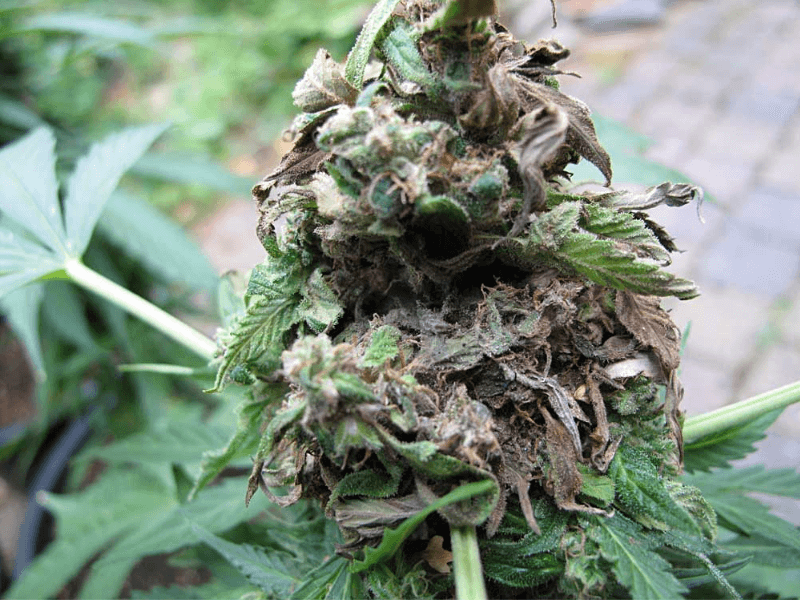
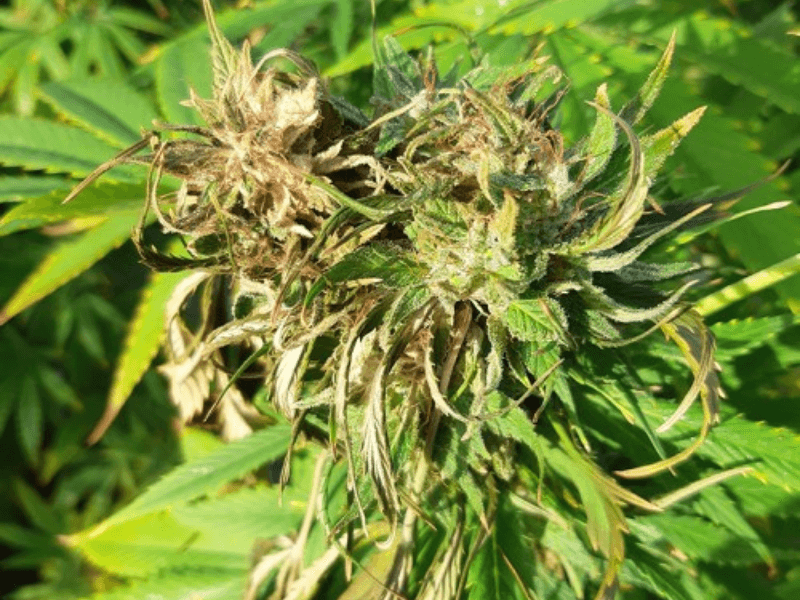
- Discolored or Soft Buds: Infected sections of the bud may change color, often turning a dull grey, brown, or even purple. The texture will also shift from firm and sticky to soft, mushy, or slimy.
- Fuzzy Mold Growth (Advanced Stage): As the infection progresses, you’ll eventually see the characteristic white, grey, or bluish-green fuzzy mold spreading across the surface of the affected bud. By this point, the infection is often widespread internally, and countless spores have likely been released.
Where Bud Rot Starts: Inspect These Areas Closely
- Deep Within Dense Colas: Always prioritize inspecting the densest parts of your main colas and side branches where moisture is most likely to get trapped. Gently open up larger cannabis buds to check their core.
- Around Damaged Areas: Pay extra attention to any spots where leaves were removed, stems were bent, or insect damage occurred, as these are easy entry points for fungal spores.
Crucial Safety Warning: Once visible mold appears, the entire infected bud, along with a significant margin of surrounding tissue, is compromised and must be immediately discarded. Never attempt to salvage or consume moldy cannabis. Smoking moldy weed poses severe health risks.
What Causes Cannabis Bud Rot and How to Avoid It
Knowing the precise conditions that favor Botrytis cinerea is your crucial first step in bud rot prevention.
- High Humidity: The number one factor. Botrytis spores need a thin film of water to germinate. Relative humidity (RH) consistently above 50% during the flowering stage creates an ideal breeding ground for cannabis mold.
- Poor Air Circulation: Stagnant, humid air creates isolated microclimates within and around your dense buds where moisture becomes trapped. Without consistent airflow, this moisture can’t evaporate, actively inviting mold growth.
- Temperature Swings: While Botrytis can thrive in a range of temperatures (ideally 18-24°C / 64-75°F), sharp temperature drops, particularly when grow lights turn off, can lead to condensation on your cannabis plants, providing the necessary moisture for spores to germinate.
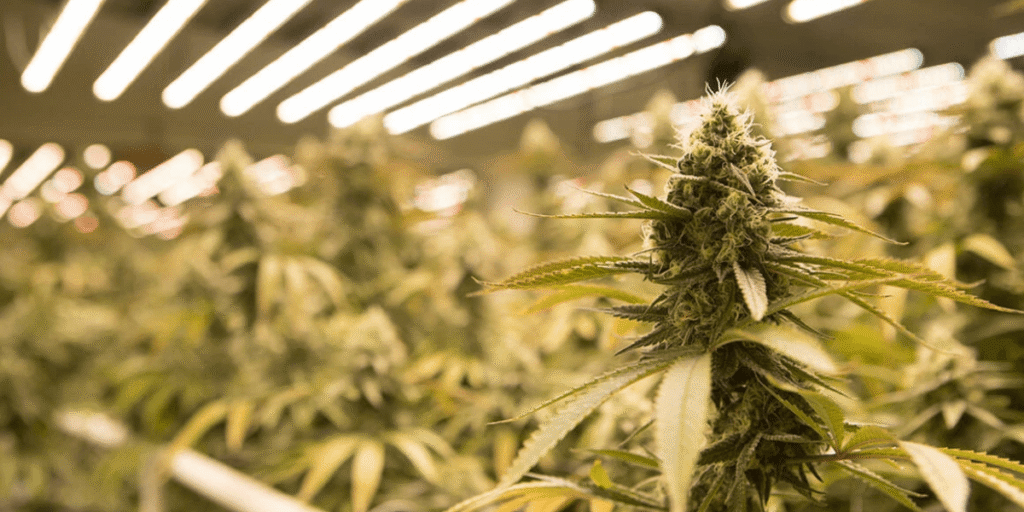
- Dense Bud Structure: Tightly packed, large cannabis buds are inherently more susceptible because moisture is easily trapped deep inside where airflow is minimal, creating a perfect environment for bud rot.
- External Moisture: For outdoor growers, prolonged periods of dew, heavy fog, or consistent rain are major risk factors. Water can easily accumulate within bud crevices.
- Plant Damage: Open wounds from pruning, training (like topping or FIMming), or stress create entry points for fungal spores. Common pests can also cause these vulnerabilities. Learn how to protect your plants in our guide: 10 Common Cannabis Pests and Solutions.
- Decaying Organic Matter: Dead leaves, fallen plant debris, or any uncleaned organic material around the base of your cannabis plants can harbor spores and serve as an initial food source for the fungus.
Environmental Control to Prevent Bud Rot in Cannabis
Preventing cannabis bud rot is paramount. Once established, it’s incredibly difficult to eliminate without significant crop loss. Proactive mold prevention for cannabis is always your safest and most rewarding strategy.
Control Humidity and Airflow to Stop Mold Growth
- Humidity Management (Crucial in Flower!):
- During the critical flowering stage, aim for an RH of 40-45%. Maintaining levels above 50% significantly increases your risk for cannabis mold.
- Essential Grower’s Tool: Invest in a dehumidifier for your grow space. Ensure it’s correctly sized for your area to efficiently remove excess moisture.
- Exceptional Air Circulation:
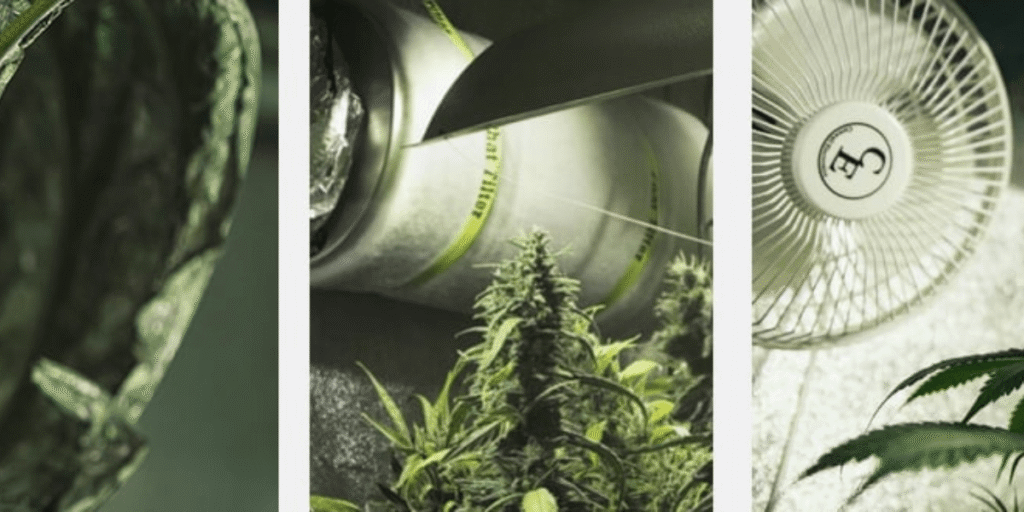
- Exhaust Fans: Use an adequately sized exhaust fan to consistently remove humid, stale air from your grow tent or room.
- Circulation Fans: Strategically place oscillating fans within your canopy. Position them to create a gentle, continuous airflow around and through your cannabis buds. Avoid direct, strong blasts that could damage plants, but ensure no “dead spots” of stagnant air. Mimicking a subtle natural breeze is ideal.
- Stable Temperatures: Maintain consistent temperatures, ideally between 18-24°C (64-75°F). Avoid drastic temperature drops when your lights turn off, as this commonly causes damaging condensation on your cannabis plants.
Pruning and Cleaning Tips for Mold Prevention
- Strategic Defoliation & Lollipopping: Regularly remove unnecessary fan leaves, especially those shading bud sites or creating overly dense foliage within the canopy. Lollipopping removing lower branches and leaves that won’t receive adequate light improves airflow at the base of the plant and redirects energy to your upper buds.
- Strict Sanitary Practices: Always use sterilized pruning shears or scissors before and after each use to prevent transferring pathogens. Promptly clean up any fallen leaves or plant debris; these decaying materials are prime breeding grounds for cannabis bud rot.
- Remove Damaged Foliage: Immediately remove any yellowing, dying, or physically damaged leaves. These weakened points are easy entry sites for Botrytis spores.
Plant Spacing Techniques to Reduce Rot Risk
- Proper Plant Spacing: Ensure ample space between individual cannabis plants to allow for consistent airflow throughout your entire grow space. Overcrowding is a common oversight that directly contributes to humidity and mold problems.
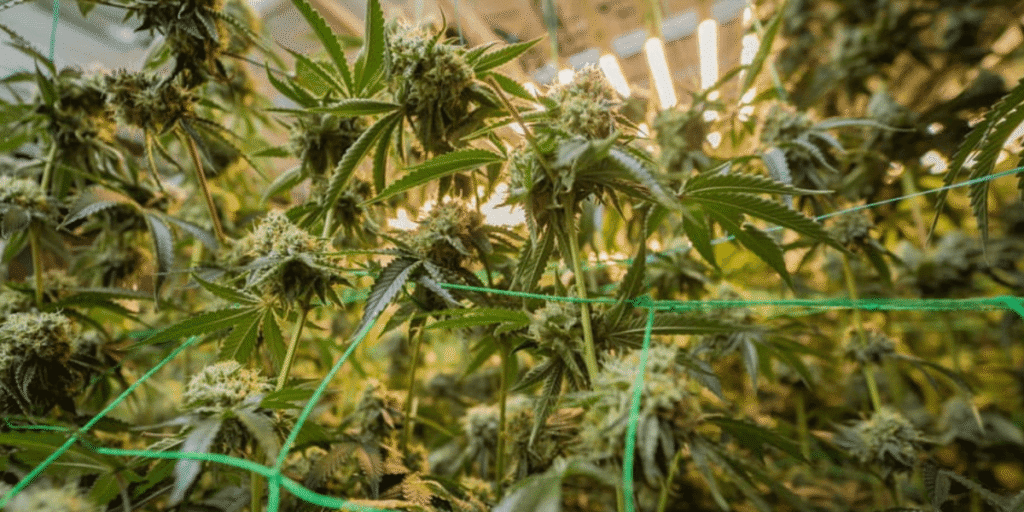
- Effective Training Methods: Techniques like SCROG (Screen of Green) or LST (Low-Stress Training) can help spread out your canopy horizontally, significantly improving airflow and light penetration, making your buds inherently less susceptible to cannabis mold.
Smart Watering Practices to Prevent Excess Moisture
- Strategic Watering Timing: If possible, water your cannabis plants shortly after your grow lights turn on (or early morning for outdoor grows). This allows the plants to dry out completely before lights off (or nightfall), preventing lingering moisture on leaves and buds.
- Avoid Wetting Buds: Always try to water the root zone directly. Avoid spraying water onto the buds, especially during the crucial late flowering stage.
Best Mold-Resistant Cannabis Strains to Choose
- Choose Mold-Resistant Cannabis Strains: Some cannabis strains naturally possess greater resistance to mold due to their genetics or looser bud structures. If you’ve encountered bud rot issues in the past, research and prioritize these varieties.
- Monitor Companion Plants: If you’re growing other plants (like strawberries, grapes, or roses) near your cannabis, be aware that they can also host Botrytis and potentially spread spores to your crop.
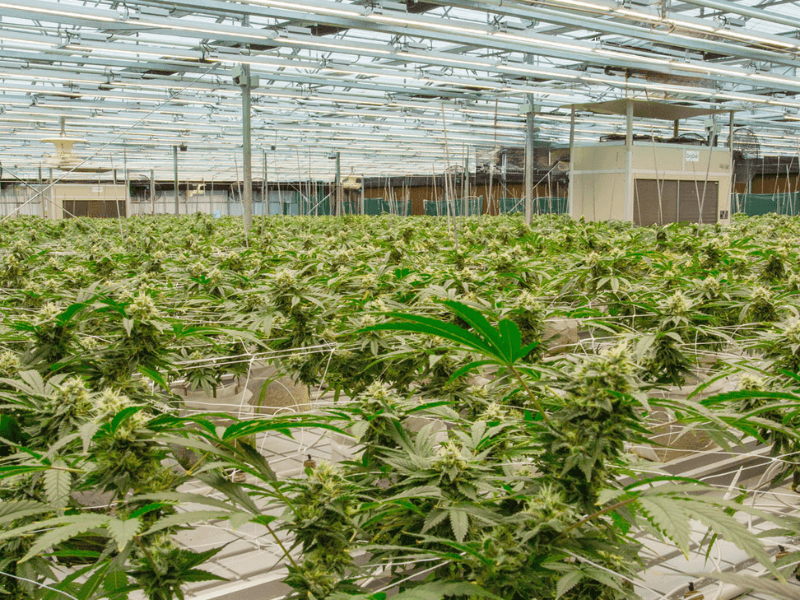
What to Do When Bud Rot Is Already Present
Once cannabis bud rot becomes visible, the situation is critical. Remember, prevention is your ultimate safeguard because actual “treatment” is primarily about damage control and rigorously preventing further spread.
- Immediate Isolation & Removal:
- Personal Protection: Always wear gloves and, ideally, a mask to avoid inhaling potentially harmful spores.
- Careful Excision: Meticulously cut out all affected bud tissue. Be generous; extend your cut to include a surrounding margin of seemingly healthy tissue (at least an inch or two beyond visible mold).
- Seal & Discard Safely: Immediately place all infected material into a sealed plastic bag and promptly remove it from your grow space. Do NOT compost it or leave it exposed, as this will spread spores.
- Thorough Plant Inspection: After removing infected parts, conduct a meticulous inspection of the entire remaining plant, especially other large buds, for any subtle signs of nascent infection.
- Sanitize All Tools: Disinfect your pruning shears and any other tools thoroughly with rubbing alcohol or a bleach solution after each cut to prevent inadvertently spreading spores to healthy areas.
- Drastically Improve Grow Conditions: Immediately reduce the humidity in your grow space to below 40%, significantly increase airflow, and ensure stable temperatures. These harsh conditions will make it much harder for any remaining spores to germinate and spread.
- Consider Whole Plant Disposal (Severe Cases): If the infection is widespread, particularly affecting the main cola, it may be the safest course of action to discard the entire plant. This protects your other cannabis plants and, more importantly, eliminates health risks.
- Absolutely Do Not Consume Affected Cannabis: Any cannabis that has visible mold should NEVER be smoked, vaped, or consumed. Inhaling mold spores or mycotoxins can lead to severe respiratory issues (coughing, wheezing, pneumonia-like symptoms), severe allergic reactions, or even life-threatening conditions, especially for individuals with compromised immune systems. Heating does not destroy all these harmful compounds.
How to Prevent Mold During Drying and Curing
The battle against cannabis bud rot extends beyond harvest. Improper drying and curing environments are a common cause of late-stage cannabis mold development.
- Optimal Drying Environment:
- Temperature: Aim for a stable 18-20°C (65-70°F).
- Humidity: Maintain 50-60% RH.
- Airflow: Ensure gentle, consistent airflow in your drying area (e.g., a small fan circulating air, not directly blowing on buds).
- Darkness: Always dry in a dark environment to preserve cannabinoids and terpenes.
- Proper Curing:
- Once cannabis buds are dry enough (small stems should snap, not bend), place them into airtight containers (glass jars are ideal).
- “Burping”: During the first week or two, open the containers for 15-30 minutes several times a day. This process releases excess moisture and replenishes oxygen, which is crucial for preventing mold and promoting terpene development.
- Monitor Humidity in Jars: Consider using a small hygrometer inside your curing jars to ensure humidity remains within the ideal range of 58-62% RH. If humidity is too high, extend your “burping” periods.
Cannabis Grower FAQs on Bud Rot Prevention
Q1: My bud collapsed from the inside. Is it bud rot?
A: Yes. That’s a classic sign. If dense buds suddenly wilt or brown inside, open them up rot often starts deep within.
Q2: How do I know if dried buds have mold? Is it dangerous?
A: Look for fuzz, off smells, or powdery textures. Moldy cannabis can cause coughing, lung issues, and allergic reactions. Don’t risk smoking it.
Q3: My dehumidifier runs all day, but humidity is still high. Why?
A: You likely need better ventilation. Add an exhaust fan to remove moist air and boost internal circulation.
Q4: Can I spray buds to prevent mold during late flowering?
A: Not advised. Spraying mature buds can trap moisture and ruin quality. Focus on humidity control and airflow instead.
Q5: My outdoor plants get dew every morning. Will I get bud rot?
A: Possibly, but it’s preventable. Space plants out, defoliate for airflow, use covers if needed, and shake off moisture early.
Explore More Cannabis Growing Insights
Want to dive deeper into optimizing your cannabis grow? Check out these other helpful articles:
- How to Adjust Cannabis Light Spectrum for Different Growth Stages
- Grow Light for Cannabis Seedlings
- Cannabis Lighting: Boost Yields & Quality
Final Thoughts on Keeping Your Cannabis Mold Free
Now that you’ve mastered the key techniques to prevent cannabis bud rot, it’s time to put them into practice and keep your plants healthy.
Looking for high-quality LED grow lights? Check out our Grow Light Collection to find the perfect solution to support your plant’s growth.
Have unique growing needs or want expert guidance? Visit www.greenfuturelight.com and connect with our specialists for a free personalized consultation.
Join our growing community! We love seeing your success stories tag us on Instagram @Greenfuturelight and share your progress.
A friendly reminder: when using high-intensity grow lights, especially those with UV, always wear proper eye protection to safeguard your vision.For expert, one-on-one assistance, contact our team today for a free consultation!
Wishing you a successful and bountiful grow!