
Cannabis bud rot is a silent destroyer lurking in the shadows of every grow room and greenhouse. This ruthless fungal enemy, caused by Botrytis cinerea, can turn your thriving plants into a withered ruin overnight. For anyone devoted to cultivating cannabis whether for healing, enjoyment, or industry understanding why bud rot strikes is the first step to fighting back. In this guide, we’ll reveal the hidden causes and arm you with powerful strategies to protect your precious harvest from this devastating threat.
What Exactly is Cannabis Bud Rot?
Cannabis bud rot is a fungal disease caused by Botrytis cinerea, a ubiquitous pathogen that thrives in specific environmental conditions. It primarily targets the dense, developing flowers of your cannabis plants, often from the inside out, making it particularly challenging to detect in its early stages.
Unlike surface molds, Botrytis is a necrotrophic pathogen, meaning it actively kills plant cells to feed on the decaying tissue. Once it infiltrates a bud, it rapidly compromises the plant’s vascular system, cutting off water and nutrients and leading to swift decay.
The Stealthy Lifecycle of Botrytis cinerea Fungus
Understanding the enemy’s lifecycle is key to prevention:
- Ubiquitous Spores: Botrytis cinerea spores are microscopic and widespread, existing almost everywhere in the air and environment. They lay dormant until conditions become favorable.
- Germination & Invasion: When a spore lands on a susceptible part of the plant (often a damaged leaf, a dying pistil, or an aging sugar leaf within a dense bud) and encounters a thin film of water (from high humidity, condensation, or direct wetting), it germinates.
- Penetration & Colonization: The germinated spore then uses enzymes to break down plant tissue, often entering through tiny wounds (from pruning, insect bites, or physical stress) or through naturally senescing (aging) plant cells. Once inside, the fungus rapidly colonizes the plant’s interior.
- Rapid Spread & Spore Release: As the fungus consumes plant tissue, it causes the characteristic rot. Soon, fuzzy gray mold emerges on the surface, composed of millions of new spores ready to become airborne and spread to healthy parts of the same plant, or to neighboring cannabis plants. This swift progression can result in up to 30% or more of total inflorescence yield loss, even extending into the post-harvest phase.
The Core Causes Behind Bud Decay in Cannabis
While Botrytis spores are always present, it’s specific environmental conditions that trigger their destructive power.
- High Humidity (The Primary Trigger):
- When relative humidity (RH) in the air is excessive, particularly above 60% and critically above 70% during flowering, condensation can form on plant surfaces.
- This is especially true within the dense, compact structure of cannabis buds, creating microscopic pockets of trapped moisture a perfect breeding ground for fungal spores to germinate.
- Moderate Temperatures:
- A temperature range of 17–24 °C (62–75 °F) provides ideal conditions for Botrytis cinerea to thrive.
- Significant temperature drops when lights are off can also cause dew point condensation on plants, directly enabling spore germination.
- Poor Air Circulation:
- Stagnant, unmoving air allows pockets of high humidity to form around and within the cannabis plant canopy. Without proper airflow, trapped moisture can’t evaporate, creating a prime environment for mold growth.
- Dense Bud Structure:
- Cannabis genotypes with “large and compact” inflorescence structures (i.e., very dense buds) tend to be more vulnerable. This isn’t always due to genetic resistance, but because their tightly packed nature creates a more isolated, humid microclimate deep inside the buds, making external airflow less effective.
- Plant Damage & Stress:
- Any open wound from pruning, training (like topping or FIMming), or physical stress provides a direct entry point for fungal spores. Even common cannabis pests can create these vulnerabilities.
- External Moisture:
- For outdoor growers, prolonged exposure to dew, heavy fog, or rain can directly introduce and trap moisture within developing buds.
Proactive Strategies to Prevent Bud Rot
Preventing bud rot is far more effective and less costly than trying to treat it once it takes hold. Since traditional fungicides are often not approved or safe for cannabis cultivation due to regulatory and health concerns, environmental control and meticulous plant management are your most powerful lines of defense.
1. Master Your Growing Environment During Flowering
- Dehumidification is Non-Negotiable: Invest in robust dehumidification systems to actively remove excess moisture from the air. This prevents dew point condensation, which is a common trigger.
- Optimal Humidity Levels: Aim to keep relative humidity (RH) between 40–50% during the flowering stage, especially as buds become denser. Use accurate hygrometers to monitor microclimates, particularly inside the canopy.
- Exceptional Air Circulation: Implement efficient 360° air circulation systems. This includes oscillating fans strategically placed at different canopy levels to eliminate stagnant, humid microclimates around and within your plants.
- Effective Ventilation: Use strong exhaust and intake systems to constantly refresh stale, humid air with fresh, drier air from outside your grow space. Maintaining slightly negative pressure helps pull humid air out efficiently.
- Temperature Management: Maintain daytime temperatures of 21–26 °C (70–78 °F). Allow for a slight temperature drop of only 3–5 °C at night to minimize condensation.
2. Implement Smart Plant Management Practices
- Water Wisely:
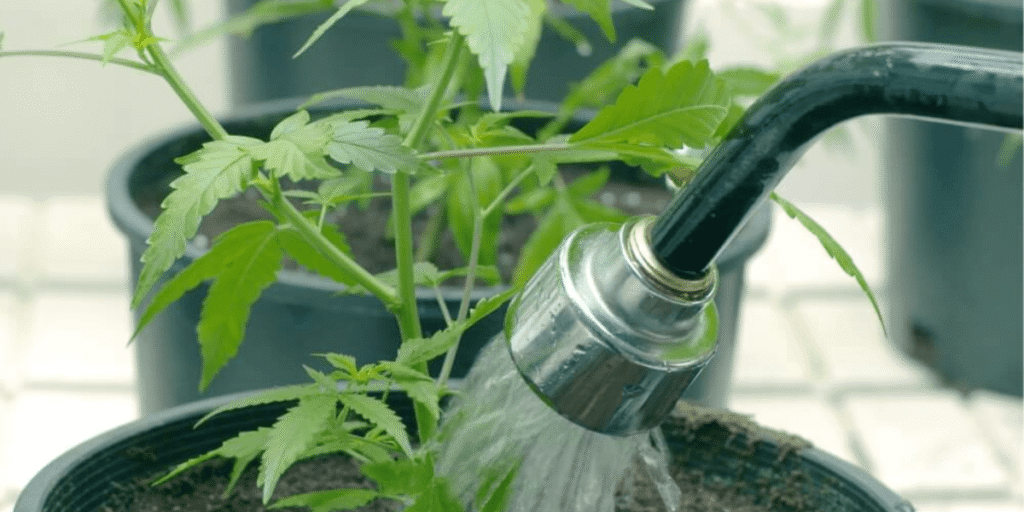
- Avoid overhead irrigation during flowering.
- Use drip systems or manual watering directly to the root zone.
- Water early in the day (or after lights on in indoor grows) to allow leaves and surfaces to dry completely before nightfall (or lights off).
- Strategic Pruning & Spacing:
- Prune judiciously: Remove large fan leaves that block airflow to inner bud sites.
- Space plants adequately: Ensure plants are at least 6–12 inches apart to avoid overcrowding and improve airflow between them.
- Train plants: Techniques like Low-Stress Training (LST) or Screen of Green (SCROG) open up the canopy, promoting better light penetration and air circulation throughout the entire plant.
- Strain Selection: Research and choose cannabis strains known for their greater resistance to mold, often those with less dense bud structures. This is particularly important for outdoor growers.
- Regular Inspection & Prompt Action:
- Inspect your buds regularly, especially during weeks 6–8 of flowering the most vulnerable period. Gently open dense buds to check the interior.
- If you spot any early signs of mold, immediately and carefully remove the affected bud or plant parts. Place them in a sealed bag to prevent spores from spreading.
- Disinfect tools and gloves thoroughly after each use to prevent cross-contamination.
3. Critical Post-Harvest Handling to Avoid Rot
The fight against cannabis bud rot doesn’t end at harvest. Improper drying and curing environments are a common cause of late-stage cannabis mold.
- Optimize Drying Room Capacity: Never overfill your drying room. Overcrowding severely hinders proper air circulation, creating conditions ripe for mold. Plan your harvest schedule according to your processing capacity.
- Streamline Processing Steps: Avoid bottlenecks. Long delays where harvested biomass sits in bins can lead to rapid mold development. Ensure smooth and swift transitions from harvest to drying and trimming.
- Diligent Equipment Maintenance: Malfunctioning environmental control equipment can bring your operations to a halt, giving rot a chance to set in. Regular maintenance and having backup equipment are crucial.
- Defoliation Before Drying: Removing larger leaves and stems after harvest but before the drying process significantly improves airflow around the buds, preventing humid pockets from forming during drying.
- Optimal Drying Environment:
- Temperature: Aim for a stable 18-20°C (65-70°F).
- Humidity: Maintain 50-60% RH.
- Airflow: Ensure gentle, consistent airflow in your drying area (e.g., a small fan circulating air, not directly blowing on buds).
- Darkness: Always dry in a dark environment to preserve cannabinoids and terpenes.
- Proper Curing:
- Once cannabis buds are dry enough (small stems should snap, not bend), place them into airtight containers (glass jars are ideal).
- “Burping”: During the first week or two of curing, open the containers for 15-30 minutes several times a day. This releases excess moisture and replenishes oxygen, crucial for preventing mold and promoting terpene development.
- Monitor Humidity in Jars: Consider using a small hygrometer inside your curing jars to ensure humidity remains within the ideal range of 58-62% RH. If humidity is too high, extend your “burping” periods.For more tips on protecting your plants, check out our guide on cannabis bud rot treatment.
Advanced Considerations for Effective Prevention
- Biological Controls: Explore the use of beneficial microorganisms (e.g., certain bacteria or fungi like Bacillus subtilis or Trichoderma harzianum) that can naturally inhibit Botrytis cinerea growth. These can be applied as preventative sprays or root drenches.
- Precision Agriculture: Utilize advanced sensors and data analytics for real-time environmental monitoring. This allows for automated or precise manual adjustments to conditions based on plant needs and environmental fluctuations.
- Air Filtration: In indoor environments, install high-efficiency air filters (e.g., HEPA filters) to reduce the presence and spread of airborne spores.
- Medium and Water Quality: Ensure your growing medium drains exceptionally well and is free of pathogens. Regularly test and treat your irrigation water to avoid introducing contaminants.
FAQs About Cannabis Bud Rot and Mold
Q1. What is the earliest sign of cannabis bud rot?
The first and often most subtle indicator is a single sugar leaf turning yellow, dry, or brittle while the rest of the plant appears healthy. This small leaf grows directly out of the bud. If you gently pull on it and it comes off easily, it likely means rot is starting deep inside the flower. This sign usually appears before any visible gray mold develops.
Q2. Can bud rot spread to other plants or throughout the entire grow?
Yes, it spreads very efficiently. Bud rot caused by Botrytis cinerea produces millions of airborne spores. These spores can travel through air currents and settle on nearby plants, especially in enclosed or poorly ventilated spaces. Early detection and prompt removal of infected material, along with strict humidity and airflow control, are essential to stopping an outbreak.
Q3. Is it safe to consume cannabis affected by bud rot?
No, it is not safe. Even if you cut away the visibly moldy parts, harmful mycotoxins may remain in surrounding tissues. These toxins are hazardous when inhaled or ingested and cannot be removed through smoking or vaping. For safety and health, any contaminated cannabis should be discarded.
Q4. How can I reduce the risk of bud rot in outdoor cultivation?
Although outdoor environments offer less control, several strategies can help. Choose mold-resistant strains with more open bud structures. Maintain wide plant spacing and prune regularly to improve airflow. Use rain covers or temporary greenhouse structures during wet weather. After dew-heavy mornings, gently shake plants to remove excess moisture from the buds.
Q5. What is the ideal humidity level during flowering to prevent bud rot?
To prevent bud rot, keep relative humidity between 40 and 50 percent during the flowering phase. In the final two weeks when buds become very dense, reducing humidity to around 40 to 45 percent is recommended. Use accurate hygrometers to monitor humidity inside the canopy where mold is most likely to develop.
Conclusion: Stay Vigilant to Secure Your Harvest
Cannabis bud rot is a formidable enemy for any grower, but it’s not invincible. By deeply understanding its primary causes namely high humidity and specific temperature ranges and diligently implementing a multi-faceted prevention strategy, you can significantly reduce your risk. From meticulous environmental control in your grow space to smart post-harvest processing and vigilant plant inspection, every step you take to maintain a dry, well-ventilated environment contributes to a healthy, bountiful harvest.
Don’t let your hard work go to waste. Act now to review your current cultivation practices and implement these preventative measures. Your plants will thank you, and your harvest will be secure.
Feeling more confident about tackling cannabis pests and optimizing your airflow strategy? Awesome! Now it’s time to put that knowledge into practice.
Ready to build a thriving, mold-free garden? Check out our Grow Light Collection and Hydroponic Gear now and find the perfect equipment to help your plants thrive.
Need personalized guidance for your unique grow space, or help choosing the right setup? For expert, one-on-one assistance, contact our team today for a free consultation!
Join Our Growing Community! We absolutely LOVE seeing your setups and successes! Tag us on Instagram: @Greenfuturelight, let’s celebrate your progress together!
A Final Word on Safety: When working with any gardening tools or electrical equipment, always prioritize your safety. Follow manufacturer guidelines and handle with care!
Happy growing, friends!
Explore More Insights on Cannabis Cultivation
Want to dive deeper into optimizing your cannabis grow? Check out these other helpful articles: