
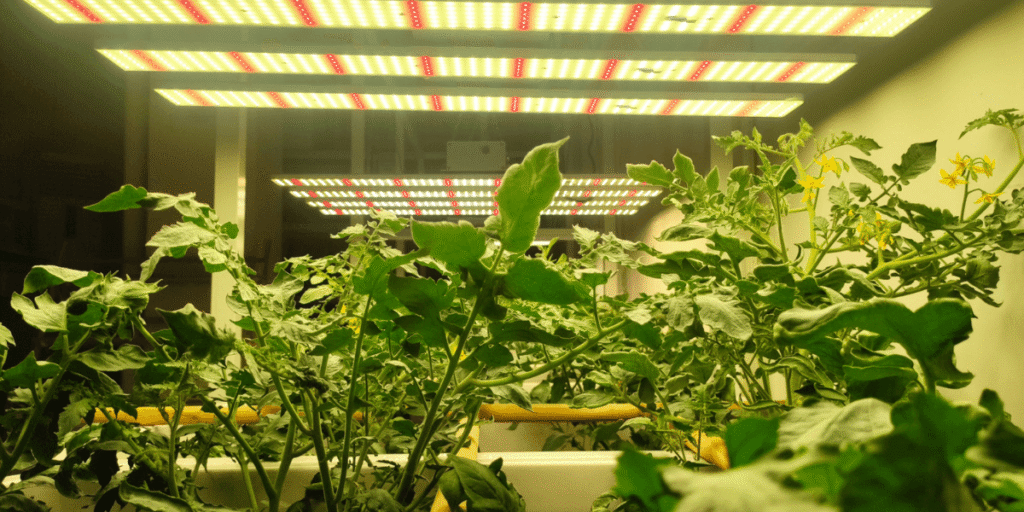
Grow Lights in Modern Agriculture aren’t just some fancy gadgets. Have you ever noticed how some indoor gardens look super vibrant while others seem a bit… meh? The difference isn’t just about nutrients or water,it’s the light. Light is what really fuels your plants, helping them grow strong, stay healthy, and produce a great harvest.
Back in the day, we had to deal with these bulky, inefficient lights that were more hassle than help. Luckily, modern agricultural tech has come a long way, giving us smarter, more efficient options. In this guide, I’m going to show you how to choose and use the right grow lights so your indoor garden can really thrive and give you the yields you’ve been dreaming of.
Light Fundamentals: How Plants Respond to LED Grow Lights
We might just see light as light, but plants think differently. Each color actually tells them how to grow. Let’s break it down so you can give your plants exactly what they need to thrive.
Photosynthetically Active Radiation (PAR)
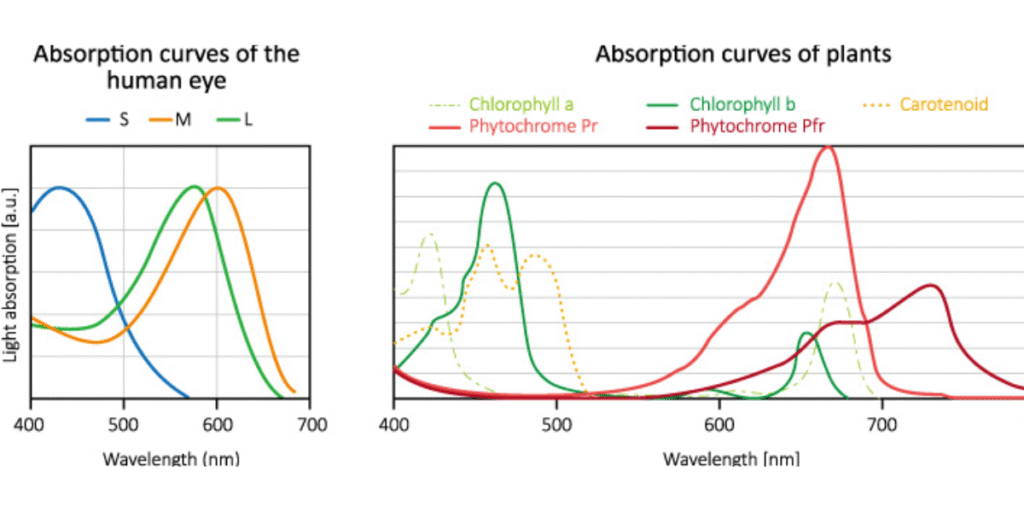
This is the light plants actually use to make their food, basically what powers photosynthesis. It covers the colors we see in a rainbow, from 400 to 700 nanometers. You can think of it like the plant’s own energy menu, each color giving it a little something different to grow strong and healthy.
Photosynthetic Photon Flux Density (PPFD)
PPFD basically tells you how much light your plants are actually catching every second. Think of it like rain good grow lights shower your plants evenly so every leaf gets its fair share.
How Different Colors Affect Growth
Blue light is like your plant’s personal trainer. It helps them grow strong stems and keeps their leaves looking full and healthy. Red light is more like a cheerleader for your garden. It encourages your plants to flower and fruit, giving you a bigger, better harvest. And green light? Don’t underestimate it. It sneaks deep into the leaves that are hiding in the shadows, helping every part of your plant get the light it needs.
Why I Prefer Greenfuturelight for Indoor Farming Lighting
Over the years, I’ve tried all sorts of grow lights from fluorescents to HPS and everything in between. But in the end, I always come back to LEDs. Honestly, Greenfuturelight completely changed the way I see what LEDs can do. It’s like they finally got everything right and made growing plants actually fun and easy.
Less Power, More Light
I used to cringe every time I saw my electricity bills from running traditional lights. Switching to Greenfuturelight LEDs completely changed the game. They use less than half the power, which means I can give my plants all the light they need without stressing about the cost. More light and lower bills,what’s not to love?
Cooler and Comfier
With traditional lights, my grow space used to turn into a little oven, and I had to spend extra on fans and air conditioning. Greenfuturelight LEDs barely get warm at all, so everything stays nice and stable. My plants are happier, I’m not blowing money on cooling, and it just makes the whole growing experience way easier.
Custom Light “Nutrition”
This is honestly my favorite part. The lights let me tweak the spectrum depending on what I’m growing. When my lettuce and herbs are in the vegetative stage, I turn up the blue light so they grow nice and compact. When it’s time for tomatoes or strawberries, I crank up the red to encourage early flowering and fruiting. It’s like giving my plants a personalized diet, and they just love it.
Maximizing Efficiency with Vertical Farming Grow Lights
Start Low for Seedlings
When my seedlings are just getting started, I keep the light around 100 to 200 PPFD. They’re so tiny and delicate that too much light can easily stress them out. At this stage, it’s all about gentle, steady growth and letting them take their time to get strong.
Give More During Vegetative Stage
Once my plants hit the vegetative stage, I crank the light up to around 200 to 400 PPFD. This is when they are busy putting out leaves and growing strong stems, so they really need plenty of light. For lettuce and herbs, I usually keep them in this range the whole cycle because it keeps them dense, healthy, and happy.
Boost for Flowering and Fruiting
When it’s time for flowering and fruiting, the plants need even more energy. For my tomatoes, I slowly turn the light up to around 600 to 800 PPFD once the fruit starts forming. The result is bigger, juicier fruits and a very happy me.
Light Schedule Matters
I always keep an eye on how long the lights are on each day. For veggies, I give them about 16 to 18 hours of light and 6 to 8 hours of darkness. When it’s time for flowering plants, I switch it up to 12 hours of light and 12 hours of dark. It really helps mimic nature and encourages them to bloom like they’re supposed to.
Distance Is Key
The distance between the light and the plants really matters. I usually start with the light about 24 inches, or 60 centimeters, above the canopy. Then I check in every week. If the plants start stretching, I lower the light. If the leaves look like they’re getting burned, I raise it a little. Over time, you start to get a feel for what your plants need,they’ll tell you if you just pay attention.
Troubleshooting Common LED Horticultural Light Issues
White or Yellow Spots on Leaves
This usually means your plants are getting light burn because the lights are too close or too strong. When I notice it, the first thing I do is raise the lights about 12 to 15 centimeters and watch the plants closely. If the spots don’t go away, I lower the power a little. Plants are sensitive, but the good news is they bounce back quickly if you catch it early.
Tall, Thin, Spindly Plants
Ah, legginess, the classic sign that my plants are stretching for light. When I see it, I either lower the lights or turn up the intensity. If my Greenfuturelight LEDs let me tweak the spectrum, I also give a little extra blue light to help the stems grow stronger and sturdier.
Lower Leaves Turning Yellow and Falling Off
This usually happens when the lower leaves aren’t getting enough light. I fix it by trimming a few of the upper leaves so more light can reach down and double-checking that my lights have enough green spectrum to really penetrate the canopy. It’s amazing how just a small adjustment can make those lower leaves perk back up.
Advanced Tip: Using Daily Light Integral for Crop Growth
If you really want to get the most out of your grow, it’s not just about how strong your light is. You also need to think about Daily Light Integral, or DLI.
DLI is basically the total amount of light your plants get over a full day. It combines how intense your light is and how long it’s on, giving you a better idea of what your plants are actually receiving.
For leafy greens like lettuce or herbs, I aim for around 10 to 15 DLI. Fruiting crops like tomatoes and strawberries need more, usually 20 to 40, because they’re putting a lot of energy into making fruit.
Here’s what I do. I use a light meter and keep a simple log of PPFD readings throughout the day. That lets me calculate DLI pretty accurately and make sure my plants are getting exactly what they need. Over time, you start to feel it intuitively, and adjusting becomes second nature. When you get it right, the plants respond so quickly,it’s like giving them a perfectly balanced diet of light.
Conclusion: Boosting Plant Health with Efficient Grow Lights
Light really is the heart of indoor growing. It keeps plants alive, drives photosynthesis, and in the end, it’s what decides how big and healthy your harvest will be. Over the years, I’ve learned that having good equipment is just the start. Knowing how to actually use it makes all the difference.
From understanding basics like PPFD and light spectra to setting the right schedule, adjusting the distance, calculating DLI, and even fixing little problems along the way, every detail counts. Paying attention to these things has completely changed how my plants grow. You can see it in the leaves, the stems, even the fruits. When the light is right, they just respond so fast.
I’m really glad I went with Greenfuturelight LEDs. They are more than just lights,they feel like a partner in my indoor garden. The tunable spectrum, low heat, and high efficiency let me experiment and fine-tune conditions for every plant. Watching lettuce stay dense and vibrant, herbs thriving, and tomatoes producing bigger, juicier fruits never gets old.
Indoor growing isn’t always easy, but with the right light and a little attention, it’s incredibly rewarding. Light isn’t just a tool; it’s the soul of everything we do in this space. Getting it right feels like giving your plants the perfect sunshine every single day.
Ready to Improve Yields with Modern Indoor Grow Lights
Why wait for the perfect weather or the right season? Whether you’re trying out a small hydroponic setup on your balcony, running a vertical farm, or managing a modern greenhouse, the right grow lights can help you get the most out of every plant. More light, healthier growth, and bigger yields are all possible, no matter the time of year.
Take a look at our energy-efficient LED grow lights and smart farming tools at www.greenfuturelight.com. We have something for everyone, from beginners trying their first crops to experienced growers looking for maximum results.
Need a hand figuring it out? Our horticultural lighting specialists are happy to help you pick the setup that works best for your plants and your space. It’s all about making growing easier, more efficient, and way more rewarding.
Join us on Instagram @Greenfuturelight and connect with other growers who are making indoor farming fun and productive. Let’s grow together!

