Grow Cannabis with Rockwool and elevate your harvests to a whole new level. If you want bigger yields, denser buds, and top-quality cannabis, rockwool, also known as stone wool, is the trusted choice of many successful growers.
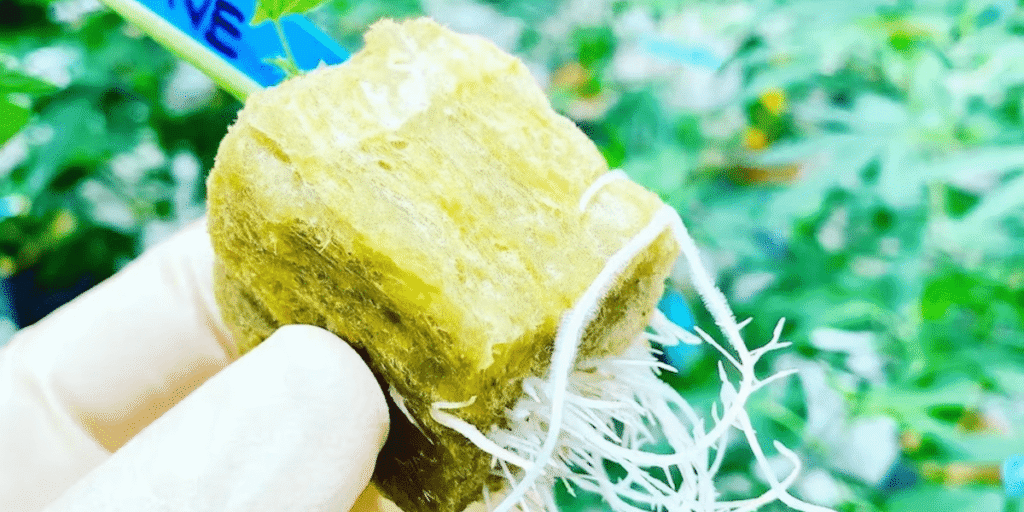
Created by spinning molten basalt rock and chalk into fine, airy fibers, rockwool provides the perfect environment for roots. It retains just the right amount of water, allows oxygen to flow freely, and gives you precise control over nutrients at every stage of growth. The result is faster growth, healthier plants, and more abundant, high-quality harvests.
In this ultimate guide, we will explain why rockwool is the ideal medium for cannabis cultivation and share practical expert tips to help your plants thrive like never before.
Why Rockwool Is Ideal for Hydroponic Cannabis Cultivation
Rockwool’s strength comes from its unique combination of physical and chemical properties. Compared with other common growing media like coco coir or soil, it offers distinct advantages that advanced growers appreciate. Here’s a clear comparison:
| Property | Rockwool | Coco Coir | Soil |
|---|---|---|---|
| Water Retention | Holds water very well but drains quickly, preventing root rot | Excellent water retention with strong buffering capacity | Moderate; can compact and retain water unevenly |
| Aeration | Superior; maintains 18% or more air space for roots | Good, but requires careful wet/dry cycles | Poor to moderate; roots can easily suffocate |
| pH & EC Control | Completely inert; contains no nutrients or minerals, easy to manage | Slight buffering needed; nutrient uptake can vary | Highly variable; adjusting pH or EC is more challenging |
| Pests & Diseases | Sterile and pathogen-free | Low risk, but can attract fungus gnats | Higher risk for pests and root diseases |
Key Takeaway: Rockwool is completely inert. Unlike soil or coco coir, it doesn’t contain any initial nutrients or minerals. This means you have full control over the feeding schedule and nutrient composition, which is essential for achieving consistent, high-quality cannabis yields. Its excellent drainage and aeration make it nearly impossible for roots to become waterlogged, while its sterile nature minimizes the risk of disease.
Best Cannabis Strains for Indoor Rockwool Growth
One of the biggest advantages of rockwool is its stability and precision. Because it provides a controlled environment for roots, it works well with nearly any cannabis strain. However, certain types really shine when grown in rockwool.
High-Demand Sativa and Hybrid Strains: Tall Sativas and Sativa-dominant hybrids, such as some Haze or Diesel crosses, have long vegetative stages and need a consistent supply of nutrients to thrive. In less controlled media, they can easily experience nutrient lockout or uneven growth. Rockwool provides a stable environment that keeps water and nutrients readily available while ensuring roots receive plenty of oxygen. This makes it ideal for growers who want to maximize yield and maintain plant health throughout a lengthy growth cycle.
Rapid-Growing Autoflowering Strains: Autoflowers grow quickly and have little room for error. Transplant shock can significantly slow their development, which is a problem when timing is crucial. By starting autoflower seeds in a rockwool cube and moving the cube directly onto a larger slab, growers can avoid transplant shock entirely. The plants continue growing seamlessly, reaching maturity faster without losing energy to stress.
Strains for Commercial Production: For commercial growers, consistency is everything. Any strain grown on a large scale benefits from rockwool because it allows precise control over feeding schedules, irrigation, and root conditions. This consistency ensures that every plant receives the same care, helping to replicate successful results time after time. Rockwool’s uniformity can make the difference between an average harvest and a high-quality, reliable crop.
Rockwool is not just a medium; it is a tool that lets growers fine-tune every aspect of plant development. Choosing the right strain and pairing it with rockwool can unlock the full potential of your cannabis garden.
How to Successfully Grow Cannabis in Rockwool Systems
Rockwool is an excellent medium for cannabis, but like any growing method, success comes down to getting a few key steps right at the start. If you skip or rush these, even the best genetics can struggle.
1. Pre-Treating Rockwool for Stable pH and Root Development
Because rockwool is made by melting basalt and chalk at extremely high temperatures, it comes out naturally alkaline, with a pH between 7 and 8. Cannabis prefers a slightly acidic environment, so if you plant directly into untreated rockwool, nutrient uptake can be severely limited.
The Soak: Before planting, soak your rockwool cubes or slabs for at least 12 hours in water or a very light nutrient solution that has been adjusted to a pH around 5.5. This allows the rockwool to absorb the solution and lowers its alkalinity to a level suitable for young roots.
The Rinse: After soaking, gently squeeze the rockwool to remove excess solution. Be careful not to wring it too hard, as this can damage the delicate fiber structure that makes rockwool so effective at holding water and air. This rinsing step is critical skipping it can lead to nutrient lockout or stunted growth in your seedlings.
By taking the time to properly pre-treat your rockwool, you set the stage for strong, healthy root development, which is the foundation of a thriving cannabis crop.
2. Managing Wet and Dry Cycles for Optimal Hydroponic Growth
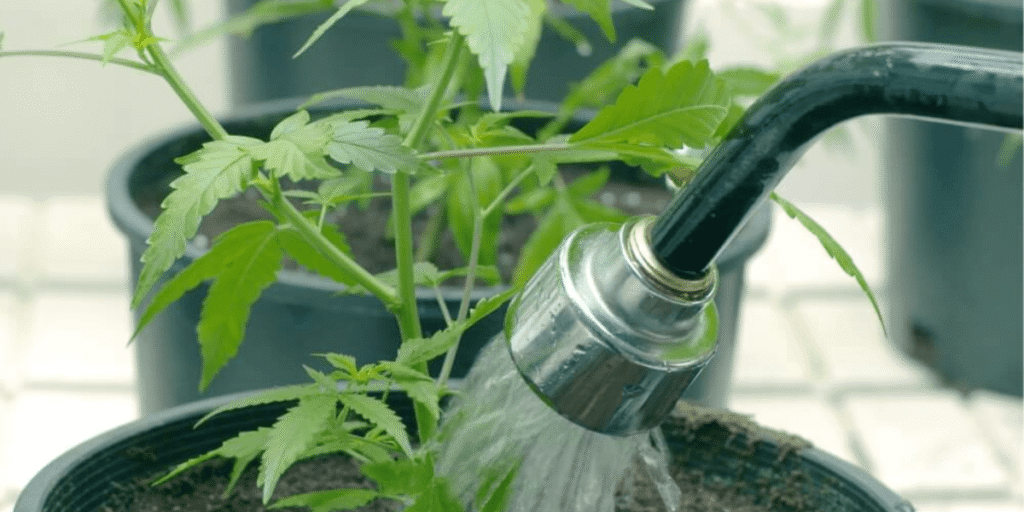
One of the most common mistakes new growers make with rockwool is overwatering. Even though rockwool can hold a large amount of water, roots still need oxygen to thrive. If the medium stays constantly saturated, roots can suffocate and growth slows down.
The Rule of Thumb: A simple way to know when to water is to pay attention to the weight of the rockwool. After soaking, the block will feel heavy. Wait to water again until the block feels noticeably lighter. This indicates that the roots have absorbed enough moisture and that there is now room for oxygen to circulate.
Encouraging Strong Roots: Allowing the top layer of the rockwool to dry slightly is not just about preventing overwatering. This drying stimulates the roots to grow downward in search of water, which naturally strengthens the entire root system. Over time, you’ll notice a more robust network of roots that can support bigger plants and improve overall nutrient uptake.
Getting the wet and dry cycle right is a simple habit, but it makes a huge difference in plant health and yield. With a little observation and patience, you can ensure your cannabis plants develop strong, healthy roots from the very start.
Advanced Rockwool Techniques for Maximizing Cannabis Yields
Once you’ve mastered the basics of using rockwool, you can start refining your setup to get the most out of your plants. Advanced growers focus on factors like slab size, root oxygenation, and nutrient stability to push yields and quality even higher.
1. Choosing Slab Size and Air Gaps for Healthy Cannabis Roots
When it comes to mature cannabis plants, large rockwool slabs often outperform small cubes. The increased volume of the medium acts as a buffer, helping to stabilize pH and EC levels. This means the roots are less likely to experience sudden nutrient fluctuations, which can stress the plant and slow growth.
Another key advantage of larger slabs is oxygen availability. Even if the bottom of the slab becomes saturated with water, the top portion retains air gaps that are essential for root health. These pockets of oxygen allow roots to breathe freely, reducing the risk of root rot and enhancing nutrient uptake.
By paying attention to slab size and maintaining proper air gaps, growers can create an environment where roots thrive. Strong, well-oxygenated roots lead to healthier plants, faster growth, and ultimately bigger, more consistent yields.
2. Setting Up Automated Drip Irrigation in Rockwool Systems
In commercial rockwool cultivation, most growers rely on automated drip systems instead of manual watering. These systems provide consistent, precise irrigation that is difficult to achieve by hand, especially for large-scale operations.
Short, Frequent Watering: Rather than watering once a day with a large volume, it is better to schedule several shorter watering cycles throughout the day using a timer. This approach keeps nutrients consistently available to the roots while avoiding waterlogging. The roots get just the right amount of moisture without ever sitting in excess water, which promotes faster growth and healthier plants.
The Run-Off Strategy: A key part of this method is managing run-off. Aim for about 15 to 25 percent of the nutrient solution to drain out with each watering. This run-off serves two important purposes. First, it flushes away any accumulated salts or stale nutrients that could otherwise build up in the rockwool. Second, it maintains a clean root environment, reducing the risk of nutrient lockout or root stress. By following this simple routine, growers can keep their plants thriving while making nutrient management much easier.
Automated drip systems may require a little setup at first, but once they are running, they take a lot of guesswork out of daily watering and help ensure consistent, high-quality growth.
3. Crop Training Methods: LST and HST for Rockwool Plants
One of the advantages of using rockwool is that it provides a firm and stable anchor for your plant’s roots. This stability makes it much easier to apply training techniques like Low-Stress Training (LST) or High-Stress Training (HST) without worrying about disturbing the root system or tipping the plant over.
Low-Stress Training (LST): With LST, stems are gently bent and tied down to encourage more lateral growth and increase light penetration to lower branches. Rockwool cubes or slabs hold the plant securely in place, so you can manipulate the branches without the medium shifting or loosening. This helps the plant develop a more even canopy and can boost overall yield.
High-Stress Training (HST): HST methods, such as topping or super cropping, involve intentionally stressing the plant to stimulate growth. Because the roots are firmly anchored in rockwool, you can perform these techniques confidently, knowing the plant will remain stable. This allows the plant to recover quickly while redirecting energy to desired growth areas.
The combination of a stable medium and careful training allows growers to sculpt their plants for maximum light exposure and airflow. In the long run, strong roots and well-trained branches lead to healthier plants, bigger buds, and a more manageable garden.
Adjusting pH and Nutrients for Indoor Cannabis Growth
When it comes to rockwool cultivation, precision in pH and nutrient management is absolutely critical. Unlike soil, rockwool contains no nutrients of its own, so everything your plant needs must come from the solution you provide. This means that careful attention to pH levels and nutrient concentration can make the difference between a thriving crop and a struggling one.
1. Tips for Monitoring pH Levels in Hydroponic Rockwool
Maintaining the pH of your nutrient reservoir is absolutely crucial for healthy plant growth. Ideally, you want to keep it between 5.8 and 6.2 to ensure your plants can absorb nutrients efficiently. During the vegetative stage, aiming for a slightly lower pH of around 5.5 to 6.0 helps your plants take up nitrogen more effectively, which supports strong, lush foliage. When your plants enter the flowering stage, it’s okay for the pH to drift a bit higher, around 6.0 to 6.5. This adjustment allows phosphorus and potassium to be absorbed more readily, which are key nutrients for producing healthy, dense buds. Regularly checking and adjusting the pH will make a noticeable difference in overall plant health and yield.
2. Managing EC and PPM to Avoid Nutrient Imbalances
Keeping a close eye on the strength of your nutrient solution is essential for healthy plant growth. Use an EC meter or a TDS meter to measure the electrical conductivity (EC) or parts per million (PPM) of your nutrients regularly. This simple step can prevent a lot of problems before they start.
It’s important to check both the solution you feed your plants and the run-off that drains from the medium. If the run-off EC is significantly higher than what you supplied, it’s a clear sign that salts are building up around the roots. This can stress your plants and even cause nutrient burn if left unchecked. When you notice this, flush the system immediately with clean, pH-adjusted water to reset the salt balance. Doing this consistently keeps your plants healthy and ensures they’re getting nutrients at just the right strength.
Sustainability Tips for Using Rockwool in Cannabis Farming
Rockwool is widely praised for its stability, excellent aeration, and water retention, making it a top choice for many hydroponic growers. However, one of its major drawbacks lies in its environmental impact. Rockwool is made by melting volcanic rock at extremely high temperatures and then spinning it into fibers, a process that consumes a significant amount of energy. On top of that, it is not biodegradable, meaning discarded rockwool contributes to long-term waste in landfills.
For growers concerned about sustainability, there are alternatives to consider. Coco coir, for example, is a renewable byproduct of coconut processing that retains water well and supports root development. Organic soilless mixes made from peat, composted bark, or perlite blends can also be effective while reducing environmental harm. Choosing these alternatives can help balance the need for high-performance growing media with a more eco-conscious approach.
Safe Handling, Cleaning, and Disposal of Rockwool
While rockwool can be thrown away in a landfill, there are more responsible ways to manage it that benefit your garden. One effective approach is to break it down into smaller pieces and incorporate it into outdoor soil as a long-term amendment. This not only helps reduce waste but also adds value to your garden beds by improving soil aeration and water retention. Over time, the tiny rockwool fibers create small air pockets in the soil, which encourages healthy root growth and helps the soil hold moisture more evenly. By reusing rockwool in this way, you can give it a second life while supporting a more sustainable growing practice.
Eco-Friendly Alternatives to Rockwool for Hydroponic Setups
For growers who are focused on sustainability, there are a few alternatives to rockwool that deliver similar performance without the environmental drawbacks.
Coco Coir is one of the most popular options. It’s a renewable byproduct of the coconut industry and has an impressive ability to retain water while still providing good aeration for roots. Its fibrous texture supports healthy root development, and because it’s organic, it breaks down over time, enriching the soil if used in outdoor beds.
Hemp Fiber is a newer option gaining attention among eco-conscious growers. It is completely biodegradable and offers a structure that closely mimics the properties of rockwool, providing stable support and excellent drainage. Using hemp fiber allows growers to maintain strong, healthy plants while keeping their growing practices more environmentally friendly.
FAQs About Hydroponic Cannabis Cultivation in Rockwool
Q1: Is rockwool safe for cannabis cultivation?
Dry rockwool fibers can irritate lungs and skin, so always wear gloves and a dust mask when handling. Once wet, it’s safe to use.
Q2: Can I reuse rockwool for new cannabis plants?
Reusing rockwool is not recommended. Old blocks may contain salts or pathogens that can harm new plants. Fresh rockwool ensures healthier roots and better yields.
Q3: How often should I flush a rockwool hydroponic system?
Flush every 1–2 weeks to prevent salt buildup. If run-off EC is 25% higher than your feed solution, flush immediately with pH-adjusted water.
Q4: Why choose rockwool for cannabis hydroponics?
Rockwool provides excellent water retention, aeration, and stable support for roots, making it ideal for seedlings, clones, and mature plants.
Q5: Are there eco-friendly alternatives to rockwool?
Coco coir and hemp fiber are sustainable options that offer similar aeration and water retention while being biodegradable.
Summary: Best Practices for High-Yield Rockwool Cannabis
Rockwool remains one of the most popular growing media for cannabis because it is completely sterile, chemically inert, and gives growers precise control over the root environment. Its consistency allows roots to breathe while holding just the right amount of water, creating an ideal balance for growth. While it does require careful attention to pH and EC levels, the effort pays off with healthier plants, faster vegetative growth, and more robust bud development. By preparing your rockwool properly and monitoring it closely throughout the crop cycle, you can create a stable, high-performing environment that helps your cannabis reach its full potential.
Call to Action: Start Your Indoor Cannabis Growing with Rockwool
Why wait for perfect conditions to start your best cannabis grow yet? Whether you’re trying a small hydroponic setup at home, running a vertical tower, or managing a full-scale greenhouse, using high-quality rockwool and the right nutrient solutions can make a huge difference. Stronger roots, healthier plants, and bigger yields are all possible when your cannabis gets the ideal environment.
Explore our premium rockwool blocks and hydroponic nutrient solutions at Greenfuturelight.com. We have everything you need, from beginner-friendly kits to professional-grade supplies for experienced growers seeking maximum results.
Need help? Our knowledgeable horticultural team can guide you through system setup, pH and EC management, and optimizing your grow for top performance. Growing cannabis doesn’t have to be complicated,it can be efficient, enjoyable, and highly rewarding.
Join our growing community on Instagram @Greenfuturelight and share your rockwool-grown cannabis success. Tag us and show off your healthiest plants yet,let’s grow together!