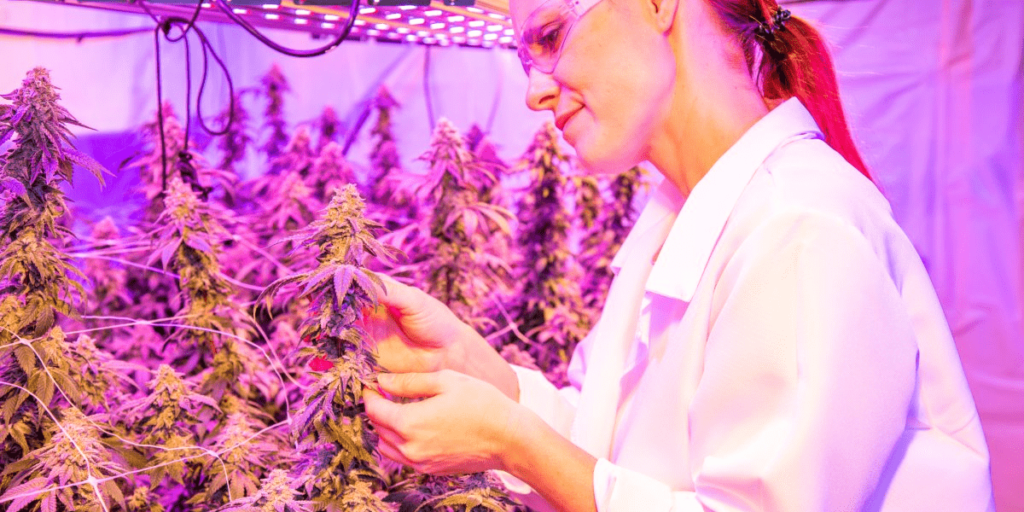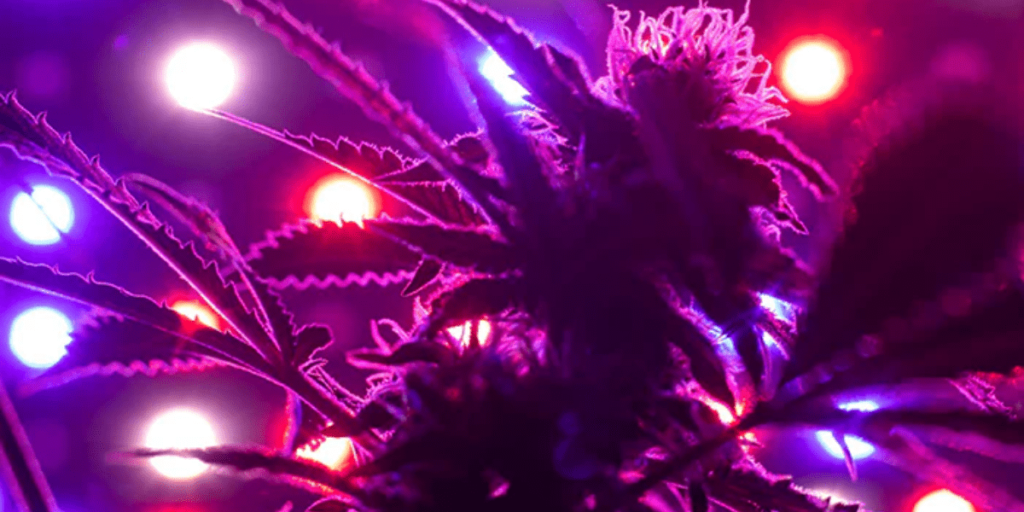

The cannabis vegetative stage is one of the most important periods in a plant’s life cycle. This is when your plants focus on building their structure, growing strong stems, healthy branches, and lush leaves that will later support heavy, resin-rich buds. How you care for and manage this stage has a direct impact on your final yield, potency, and overall plant health.
In this guide, we’ll take a closer look at what happens during the vegetative stage and share practical, proven tips to help your plants thrive and reach their full potential.
Understanding Cannabis Growth During the Vegetative Phase
Once your young cannabis plants have passed the seedling stage, they start the growth phase that builds structure and prepares them for flowering.This is a period of explosive growth where the plant puts all of its energy into building a strong foundation for the flowering stage that comes later. You won’t see any buds yet, but what happens here sets the stage for the entire harvest.
During this time, the plant focuses on creating a sturdy framework. Stems grow thicker and branches spread wider so that they will be able to support heavy flowers down the road. The leaves also get much larger and more abundant, and this is important because big healthy leaves act like solar panels that capture light and turn it into energy through photosynthesis. Beneath the surface, the root system is expanding as well, reaching deeper and wider to pull in more water and nutrients. A strong root network not only keeps the plant stable but also allows it to grow faster and healthier above ground.
For most photoperiod strains, this stage can last anywhere from four to eight weeks, depending on how long you want to let your plants grow before switching to a flowering light cycle. Some growers keep plants in this stage longer to create larger, bushier plants that yield more, while others prefer a shorter vegetative period to save space or time. Autoflowering strains work differently, since they move into flowering on their own after a set number of weeks regardless of the light schedule.
In short, the vegetative stage is where the plant builds its body. Every strong stem, every wide leaf, and every new root formed during this period will pay off later when the plant starts to flower.
Light Requirements for Vegetative Growth
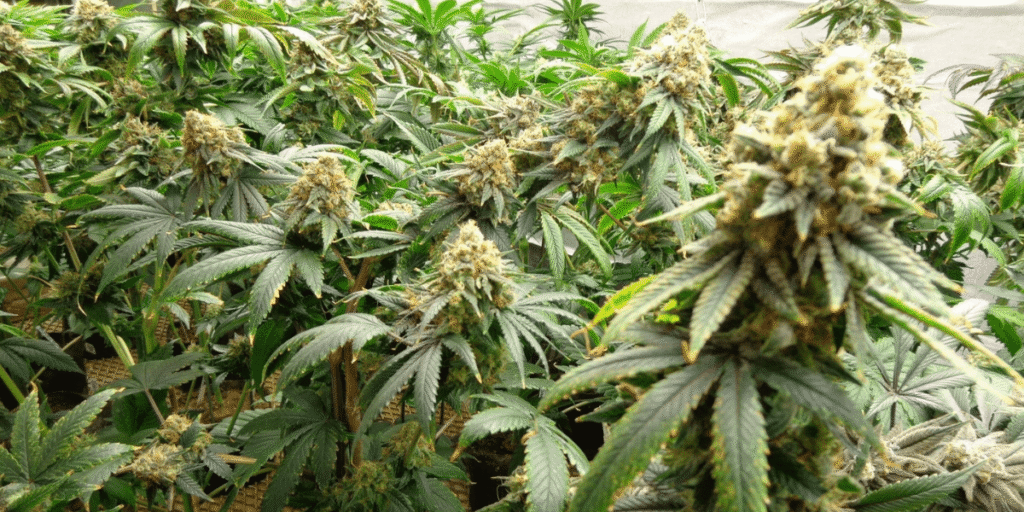
Light is one of the most important factors for cannabis growth. During the vegetative stage, the plant is focused on building a strong structure, and it needs plenty of light to do so. For photoperiod strains, most growers find that 18 hours of light followed by 6 hours of darkness each day works best. This cycle mimics the long summer days that the plant would naturally experience outdoors. Some people experiment with 24 hours of continuous light, and while it can work for certain strains, it can also stress others, causing slower growth or unusual stretching.
When it comes to lighting equipment, modern full-spectrum LED grow lights are a popular choice because they are energy-efficient, produce less heat, and provide the spectrum that plants need for healthy growth. It’s important to position the lights at the right distance above the canopy, usually about 18 to 24 inches. If the lights are too close, the leaves can get burned or bleached, but if they are too far, the plants may stretch as they reach for more light, resulting in weak stems.
The intensity of light also plays a big role. During the vegetative stage, the goal is to give the plant enough light to fuel strong, compact growth without overdoing it. A PPFD, or photosynthetic photon flux density, of around 400 to 600 micromoles per square meter per second is ideal for most indoor setups. When the light is too weak, plants become tall and thin, looking leggy and fragile. When the light is too strong, leaves can bleach or curl. Observing your plants closely is key. Watch how the leaves respond and adjust the height or intensity of the lights if you notice any signs of stress.
In short, getting the lighting right during vegetative growth is all about balance. The right light schedule, intensity, and distance can make the difference between a plant that grows slowly and one that develops into a strong, bushy, high-yielding cannabis plant.
Temperature and Humidity for Healthy Cannabis Growth
If there is one thing I always tell people starting out with cannabis it is that the environment can make or break your plants during the vegetative stage. Plants are very sensitive to temperature and humidity, and getting these right can make a big difference in how strong and healthy they grow.
During the day keep the temperature warm but comfortable, somewhere between 22 and 28 degrees Celsius. At night let it drop a little to around 18 to 22 degrees. This small shift mimics natural conditions and helps the plant rest and regulate its metabolism. If it gets too hot the leaves may curl or burn and growth can slow down. If it is too cold the plant tends to drag and growth slows.
Humidity is just as important. Young plants enjoy a more humid environment, around 65 to 70 percent relative humidity. It helps them take in water and grow quickly. As the plant gets bigger gradually reduce humidity to between 40 and 60 percent. Lower humidity at this stage helps prevent mold and encourages stems to thicken so the plant can support itself later.
Air movement is another key factor. A gentle fan blowing across the plants strengthens the stems and prevents pockets of stagnant air where mold or pests can settle. The airflow should be steady and gentle, not so strong that it shakes or damages the leaves.
Think of it this way warm days slightly cooler nights moderate humidity and gentle airflow. Get these right and your plants will grow healthy bushy and ready for the flowering stage.
Nutrients and Watering Tips During Vegetative Growth Phase
During the vegetative stage, giving your plants the right nutrients is crucial. Nitrogen is the key element here. It helps leaves grow big and healthy and supports chlorophyll production so the plant can make energy from light. Phosphorus and potassium are important too, mostly for roots and overall plant health, but they don’t need to be as high as nitrogen. Many growers use ratios like three to one to two or four to two to three.
pH matters as well. In soil keep it around six to seven. In hydroponics or soilless setups aim for five point five to six point five. The right pH ensures your plant can actually absorb the nutrients you’re giving it.
Watering should keep the medium moist but never soggy. Overwatering can suffocate roots, and underwatering can slow growth. A simple check is to feel the top inch of soil. If it is dry, it is time to water.
Pay attention to your plants, adjust gradually, and you will see strong, healthy growth that sets your plants up for flowering.
Plant Training and Pruning for Optimal Cannabis Development
How you shape and train your plants during the vegetative stage can make a big difference in how healthy they are and how much they yield later. One common method is topping, where you cut off the main tip of the plant after it has developed four to six nodes. This encourages the plant to grow more branches and become bushier instead of just growing tall.
FIMing is similar to topping, but instead of removing the entire tip you leave part of it. This can produce three or four new branches instead of just two, giving your plant even more growth points.
Low-stress training, or LST, is another technique many growers use. It involves gently bending branches and tying them down so that more of the plant is exposed to light. This helps the lower branches get enough energy to grow strong and produce better buds later.
Supercropping is a high-stress method where you carefully bend or pinch stems to slightly damage the inner fibers. This stress encourages the plant to grow thicker, stronger stems that can support heavier buds during flowering. It takes some practice to do it right without breaking the branch completely.
Pruning is also important. Removing yellowing leaves or lower branches that do not get enough light allows the plant to focus its energy on the upper growth. This keeps the plant healthy and helps it grow more efficiently.
In short, the key to training and pruning is paying attention to your plant, making small adjustments, and guiding its growth without causing too much stress. Done well, it sets your plants up to be strong, healthy, and productive in the flowering stage.
If you want to dive deeper and see step-by-step instructions for each method, from topping to LST and supercropping, check out our full guide on Top Cannabis Training Methods Explained. It’s packed with tips to help you get the most out of every plant.
Preventing Pests and Diseases in Indoor Cannabis Gardening
Healthy plants grow faster and produce better yields, so keeping an eye on pests and diseases is essential. Some of the most common pests you might encounter are spider mites, aphids, thrips, and whiteflies. These little invaders often hide on the undersides of leaves, so it pays to check regularly. Catching them early makes it much easier to control them before they spread and damage your plants.
Diseases can also be a problem, especially in environments with poor airflow or high humidity. Powdery mildew can appear on leaves, and root rot can develop if the roots stay too wet for too long. To prevent these issues, make sure your grow space has good ventilation, avoid overwatering, and keep humidity at the right level for the stage of growth.
Nutrient deficiencies can also show up if the plant isn’t getting what it needs. For example, nitrogen deficiency often shows as yellowing leaves, magnesium deficiency appears as yellowing between the leaf veins, and potassium deficiency can cause burnt edges on leaves. Paying attention to these early warning signs allows you to adjust your feeding routine and keep the plants healthy.
The key is observation and consistency. Spend a few minutes each day looking closely at your plants. A quick inspection can help you catch problems early, fix them, and keep your plants growing strong and productive throughout the vegetative stage.
When to Transition From Vegetative Growth to Flowering
Knowing when to move your plants from the vegetative stage into flowering is just as important as all the care you’ve given them so far. If you switch too early, your plants might be small and yield less. If you wait too long, they could outgrow your space or take longer to finish.
For photoperiod strains, the standard practice is to switch the light cycle to twelve hours of light and twelve hours of darkness each day. This change signals the plant that it is time to start producing flowers. Timing the switch often depends on how big you want your plants to be. Many growers wait until the plants have grown strong stems and a full canopy with multiple healthy branches.
It’s also important to consider the space you have available. Cannabis plants can stretch significantly during the first few weeks of flowering, sometimes doubling or even tripling in height. Make sure your grow area can accommodate this growth so your plants don’t end up cramped or stressed.
Before flipping the lights, check that your plants are healthy, with thick stems and well-developed branches. Strong, sturdy plants handle the flowering stage better and are more likely to produce higher yields. Understanding the full growth cycle can make this transition easier. Our Cannabis Growing Timeline From Seed to Harvest gives a clear view of each stage, helping you anticipate how your plants will develop and plan the switch to flowering with confidence.
Indica, Sativa, and Autoflower Growth Patterns
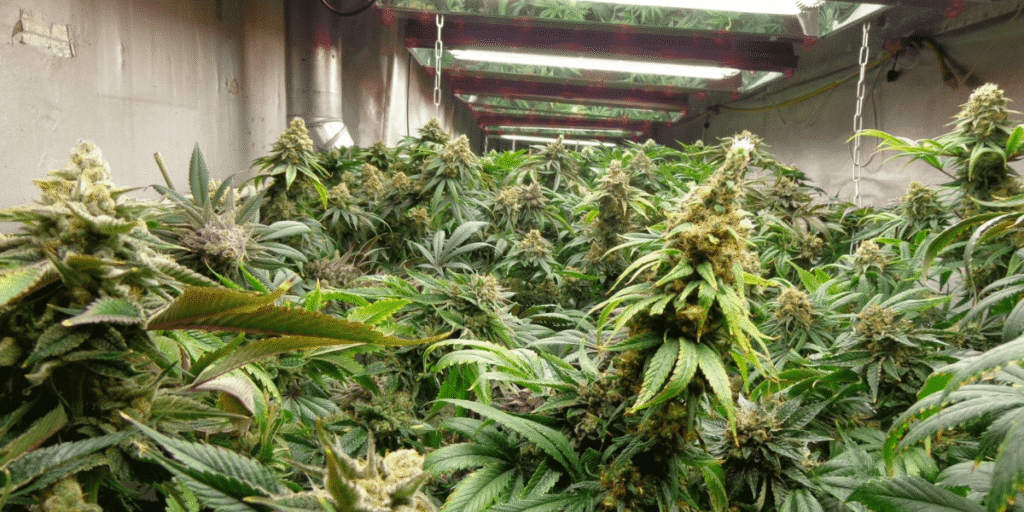
Understanding the differences between indica, sativa, and autoflower strains can help you plan your vegetative stage and manage your grow space more effectively.
Indica strains tend to be shorter and bushier. They usually need less time in the vegetative stage compared to sativas, and their compact structure makes them ideal for smaller grow areas or indoor setups with limited height. Because they are naturally stout, they often develop thick stems and dense foliage, which can support heavy buds later on.
Sativa strains are almost the opposite. They grow tall and tend to stretch a lot during the vegetative stage. This stretching makes training and pruning especially important to control height and encourage even light distribution. If left unchecked, sativas can quickly outgrow a grow tent or indoor space, so it’s important to guide their growth early using techniques like topping or low-stress training.
Autoflowering strains are a different story. They switch from vegetative growth to flowering automatically after three to five weeks, no matter what the light cycle is. Because their vegetative period is so short, the key is to focus on fast, stress-free growth. Avoid high-stress training and handle them gently to prevent stunting. Although they may be smaller than photoperiod plants, autoflowers can still produce impressive yields when cared for properly.
Knowing the characteristics of each type allows you to make better decisions about lighting, training, and space management. This way you can give each plant exactly what it needs to grow strong and healthy before it enters the flowering stage.
Common Mistakes in the Vegetative Growth Phase
| Mistake | What Happens | How to Fix It |
|---|---|---|
| Inconsistent light cycles | Plants can become stressed, stretch unevenly, or grow slowly | Use timers to make sure light and dark periods are consistent every day |
| Overfeeding nutrients | Leaves can burn, growth slows, and the plant may show signs of nutrient toxicity | Start with a lower nutrient dose and gradually increase while observing the plant’s response |
| Overwatering | Roots can suffocate and rot, slowing overall growth | Allow the top layer of soil or medium to dry slightly before watering again |
| Poor airflow | Stagnant air encourages mold, mildew, and pests, and stems may remain weak | Use fans or ventilation to keep air moving and strengthen stems |
| Switching to flower too early | Plants may be too small or weak, resulting in lower yields | Wait until stems are strong, branches are well-developed, and the plant is healthy before changing the light cycle |
This way, the table is easy to read but still feels like practical advice from someone who has actually grown plants, not just a dry list of rules.
Final Thoughts on Maximizing Cannabis Plant Growth
The vegetative stage is where your cannabis plants build their foundation for everything that comes later. The roots are expanding, stems are thickening, and leaves are growing large and healthy. All of this work now will directly affect how well your plants perform in the flowering stage. Strong roots and sturdy branches mean your plant can support heavier buds, and lush foliage ensures it can capture plenty of light to fuel growth.
During this stage, focus on keeping your light schedule consistent, providing balanced nutrients, and training your plants in a gentle, mindful way. At the same time, keep an eye out for pests, diseases, or any signs of stress. Early observation and adjustments are key to preventing problems before they become serious.
Growing cannabis is part science and part intuition. You need to understand how your plant works, but you also need to watch and listen to it. Each plant is a little different. By paying attention, adjusting care as needed, and guiding its growth carefully, you can set your plants up for a strong, healthy, and productive flowering stage.
Ready to Optimize Your Vegetative Growth Phase?
Why wait to see your cannabis plants reach their full potential? Whether you’re growing a few plants on your balcony, running a hydroponic tower, or managing a full-scale greenhouse, the right tools can make a huge difference. With the proper lights, nutrients, and setup, your plants will grow stronger, faster, and healthier.
Check out our range of energy-efficient LED grow lights, nutrient solutions, and smart farming accessories at www.greenfuturelight.com. We have options for every grower, from beginners trying their first crops to seasoned growers aiming for maximum results.
Need a little guidance? Our horticultural lighting experts are happy to help you pick the perfect setup for your space and your plants. Growing should be simple, enjoyable, and rewarding, and we’re here to make it easy for you.
Follow us on Instagram @Greenfuturelight to connect with fellow growers, share your progress, and get inspired. Let’s grow together and make every plant thrive!