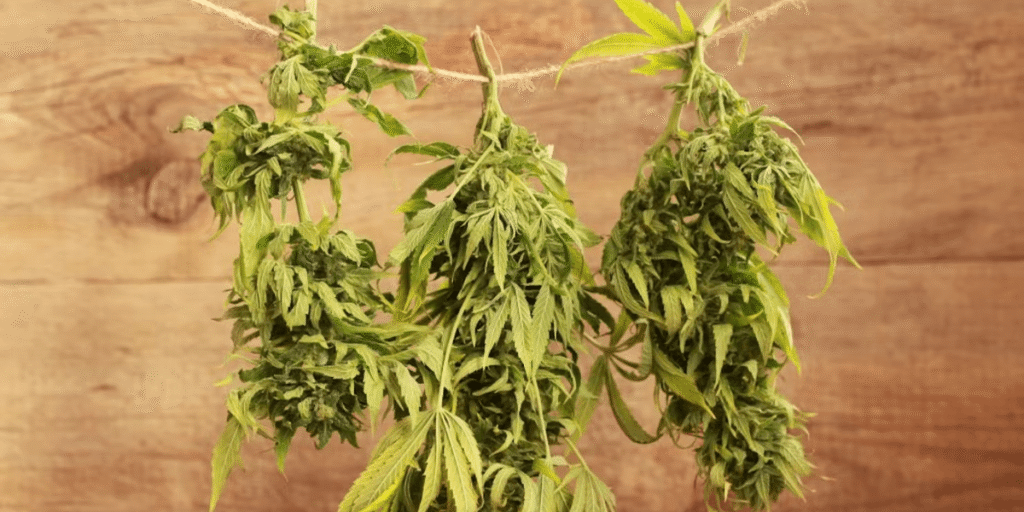
Drying and curing cannabis are two of the most important steps after harvest. The drying process carefully removes excess moisture so that mold does not develop, while still keeping the flowers sticky and aromatic. It is a stage that requires patience, since drying too quickly can strip away flavor, and drying too slowly can increase the risk of spoilage.
Curing builds on this foundation by allowing the dried buds to rest and age in a controlled environment. Over time the flavors deepen, the aromas grow richer, and the smoke becomes smoother. Proper temperature and humidity management also protect delicate cannabinoids and terpenes, which results in stronger effects and a more enjoyable experience. For growers who want their harvest to stand out, learning to dry and cure properly is every bit as important as the growing process itself.
Drying Cannabis: Preparing for the Curing Stage
1. Purpose and Benefits of Proper Cannabis Drying
Drying cannabis is all about more than just removing water from the buds. The main goal is to reduce excess moisture to prevent mold and bacteria from taking hold. If buds are sealed too wet or rushed into curing, microbes in the air can multiply quickly on the damp flowers, potentially ruining the entire harvest. Proper drying also sets the stage for the curing process by allowing minor chemical changes in the plant, such as reducing chlorophyll, which improves flavor, smoothness, and overall potency.
A well-dried bud will also provide a much better smoking or vaping experience. Wet or improperly dried buds tend to burn unevenly and produce harsh smoke that can irritate the throat. By taking the time to dry your cannabis correctly, you are ensuring that the flowers are not only safe to store but also ready to deliver a smooth, flavorful, and enjoyable experience.
2. Ideal Environment for Drying Fresh Cannabis Buds
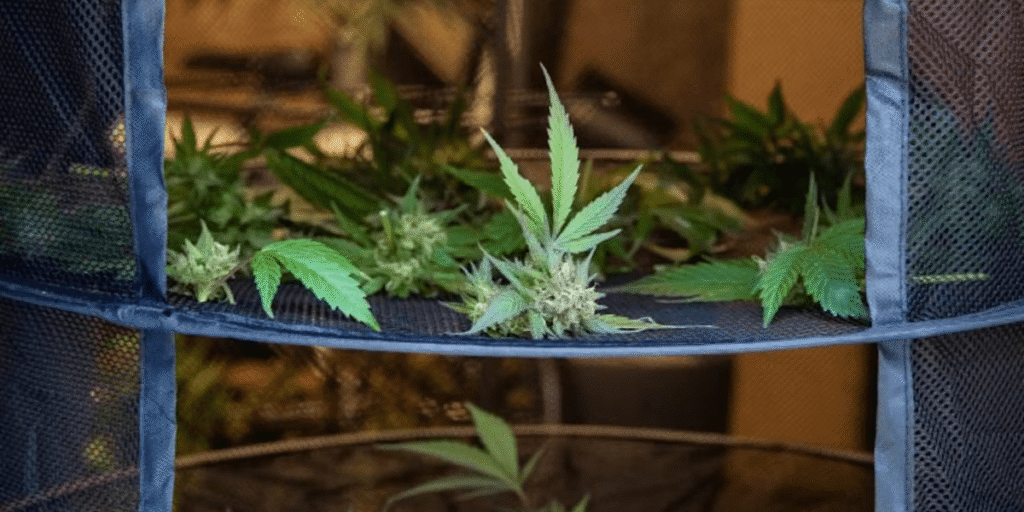
Drying cannabis is all about creating the right conditions. Four factors matter most: temperature, humidity, light, and ventilation. Together, they help preserve quality, aroma, and potency.
The temperature should stay between 60 and 70 degrees Fahrenheit (15 to 21 degrees Celsius). If it gets too warm, terpenes evaporate and flavor fades. If it is too cool, drying slows down and the risk of mold increases.
Humidity should remain between 55 and 65 percent. Air that is too moist can lead to mold, while air that is too dry pulls moisture out too fast. This makes smoke harsh and weakens aroma.
Light exposure should be minimized. Sunlight and bright artificial light can degrade THC and other cannabinoids. The best approach is drying in a dark room or closet where buds are shielded from light.
Ventilation is also important, but keep it gentle. A small fan on low speed in the corner helps move air and reduce moisture. Avoid pointing it directly at the buds, since this can dry them unevenly or damage trichomes.
When these four factors are controlled, the buds dry at a steady pace. This creates the perfect foundation for curing and ensures flavorful, high-quality cannabis.
3. Wet Trim vs Dry Trim: Cannabis Harvesting Approaches
Trimming is the process of removing the outer leaves from cannabis buds. This step improves visual appeal and enhances the smoking or vaping experience. The timing and method of trimming can change flavor, aroma, and overall quality. There are two main approaches: wet trimming and dry trimming.
Wet trimming is done right after harvest while the buds are still fresh. The sugar leaves are soft at this stage, which makes them easier to cut. This method also saves space because trimmed buds can go straight to drying racks or be hung up. The main drawback is that the exposed surfaces may lose flavor and aroma faster during drying.
Dry trimming happens after the buds are completely dried. By waiting, more terpenes and aromatic compounds are preserved, giving the buds a richer scent. This method also helps the buds keep their shape and look more appealing. The challenge is that dried leaves turn brittle, so trimming becomes delicate and time-consuming. It also produces more leaf debris than wet trimming.
The best method depends on the grower’s goals, space, and priorities. Dry trimming is usually chosen for top flavor and aroma, while wet trimming is more efficient for larger harvests.
4. How to Recognize the Right Drying Time for Cannabis
Drying cannabis usually takes five to fifteen days. The exact time depends on bud density, trimming method, and the temperature and humidity of the drying space. Dense buds often need more time, while slightly lower humidity can speed things up.
A simple way to check if your buds are ready is to bend a small branch. If it snaps with a crisp sound, the internal moisture is likely around 10 to 15 percent. At this point, the buds are ready for curing. If the branch bends without breaking, there is still too much moisture, so continue drying.
You can also check by touch. The buds should feel dry on the outside but still a little soft inside. If they are brittle, they are over-dried, which reduces flavor, aroma, and potency. The goal is to keep just enough internal moisture for smooth curing and a flavorful final product.
Curing Cannabis: Key to Potency and Smoothness
Curing is one of the most important steps after harvesting cannabis. It is what turns fresh buds into smooth, flavorful, and potent flower. Instead of simply storing them, curing gives the plant time to finish breaking down chlorophyll and sugars, which are the reason fresh cannabis can taste harsh or grassy. With time, these compounds fade, leaving a cleaner and more enjoyable smoke.
This process also protects delicate terpenes, the compounds responsible for cannabis’s unique aroma and effects. When curing is done right, the buds develop a richer scent and a more complex flavor profile. At the same time, cannabinoids like THC become more stable, which helps maintain potency and can even improve the effects slightly.
In the end, curing is about patience and care. By giving your harvest the time it needs, you ensure that every bud delivers the smoothness, flavor, and strength that make cannabis truly enjoyable.
Popular Techniques for Curing Cannabis Flowers
Curing cannabis is typically done in sealed containers, and while it may seem straightforward, the process requires careful attention to detail to preserve quality and potency.
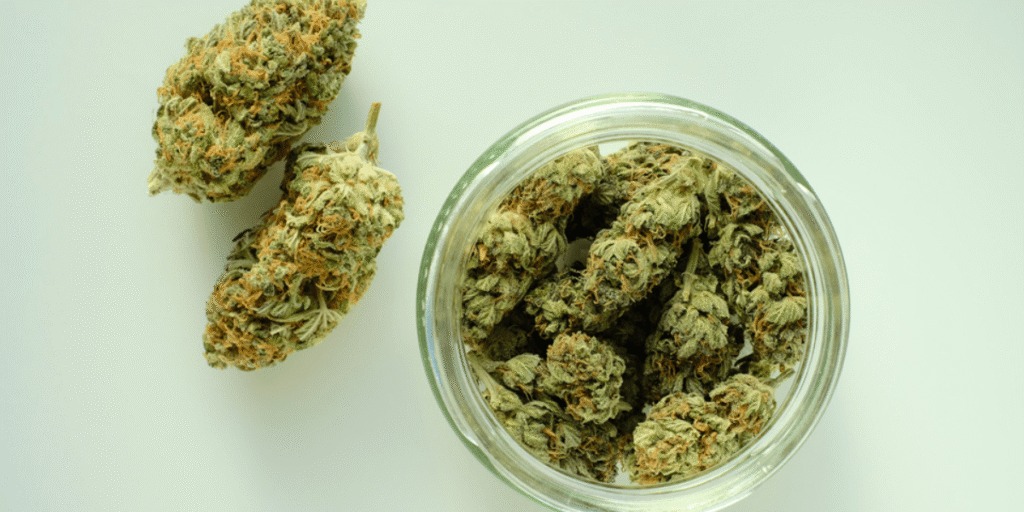
Choosing the Right Container: Glass airtight jars, like Mason jars, are widely considered the best option for curing. Glass is chemically inert, does not emit any gases, and does not absorb aromas, making it ideal for maintaining the natural scent and flavor of your buds. Plastic containers or bags are less suitable because they can release trace chemicals or absorb terpenes, which can negatively affect the quality over time.
The Importance of Burping: During the first two weeks of curing, buds continue to release moisture, which can raise humidity inside the jar. If the jar is not vented regularly, this excess moisture can lead to mold growth. To prevent this, it is important to open the jar for a few minutes once or twice a day to release humidity and allow fresh air to enter. This process, known as burping, helps maintain a balanced environment inside the jar.
Curing Duration: Curing for at least two weeks can already reduce the grassy taste of freshly dried buds. For the best results, most growers aim for four to eight weeks, which significantly enhances aroma, flavor, and smoothness. Premium curing, which can last three months or longer, is often reserved for collectors or those seeking the ultimate sensory experience.
Managing Humidity During the Cannabis Curing Process
Maintaining the right humidity inside your curing jar is crucial for achieving high-quality cannabis. Ideally, humidity should stay between 58 and 62 percent. If it rises above 65 percent, the risk of mold or unpleasant odors increases. On the other hand, if it drops below 55 percent, the buds can become overly dry and brittle, losing much of their flavor and smoothness.
Tools for Monitoring Humidity: A small digital hygrometer placed inside the jar is an excellent way to keep track of humidity in real time. Humidity control packs, such as Boveda 58 percent or 62 percent, can help maintain stable conditions, which is especially useful for beginners or for environments with fluctuating moisture levels. More experienced growers sometimes combine silica gel packs with humidity indicator strips for more precise control.
Handling Humidity Issues: If the humidity is too high, increasing the frequency of burping and briefly airing out the buds can help bring it down. If the humidity is too low, adding a few fresh buds or a humidity pack can restore moisture. Some growers use a balancing technique, mixing buds with slightly higher and lower humidity levels to even out the overall moisture during curing.
Proper humidity control is one of the most important factors in determining both the safety and the depth of quality in the curing process. Soft, aromatic buds depend on careful management of moisture throughout the entire stage. After completing the growth cycle and harvesting at the optimal time, drying and curing become the final, and perhaps most critical, steps. Even months of careful cultivation can be compromised if these steps are rushed or done incorrectly, potentially leading to reduced potency, diminished flavor, or even mold.
Best Storage Practices for Fully Cured Cannabis
Once your cannabis has been properly dried and cured, it moves into the long-term storage stage. While storing might sound as simple as just putting your buds in a jar, the way you do it has a real impact on how well their aroma, potency, and structure hold up over time. Careful storage is the final step in protecting all the effort you put into growing and curing, ensuring that each bud stays fresh, flavorful, and enjoyable for weeks or even months.
1. Choosing the Most Suitable Containers for Cannabis Storage
When it comes to storing cannabis, choosing the right container makes a huge difference in preserving quality. Airtight glass jars, like Mason jars, are widely considered the best option. They create a strong seal that keeps air and moisture out, protect delicate terpenes because the glass is inert and won’t react with your buds, and help slow down the breakdown of THC into CBN, keeping your cannabis potent for longer.
For those storing larger amounts or looking for commercial-grade solutions, vacuum-sealed bags such as Grove Bags are another option. These bags help regulate internal humidity and oxygen levels, providing a stable environment that is ideal for long-term storage.
Plastic containers, on the other hand, are best avoided for long-term storage. While they may seem convenient, many plastics can release trace chemicals or absorb aromas over time, which can negatively affect the flavor, aroma, and overall quality of your buds.
2. How to Control Temperature and Airflow in Cannabis Storage
Even with the right container, cannabis can lose quality quickly if the storage environment isn’t properly managed. Keeping your buds fresh means paying attention to temperature, humidity, light, and air exposure. Ideally, you want to maintain a temperature between 15 and 21°C (60 to 70°F). Relative humidity inside the container should stay around 58 to 62 percent to prevent the buds from drying out or developing mold.
Light is another important factor. Exposure to sunlight or even strong indoor lighting can break down THC over time, so it’s best to store your cannabis in complete darkness. Minimizing air exposure is equally important. Opening the container too often lets in oxygen, which accelerates degradation, so try to limit how frequently you check your buds.
Avoid heat sources like electronics, stoves, or direct sunlight, because high temperatures can cause terpenes to evaporate and reduce both aroma and potency. The best storage spots are dark drawers, cabinets, or insulated boxes where the environment stays stable and the buds remain protected.
3. Storage Duration and Tips for Inspecting Cannabis Quality
When it comes to how long cannabis stays at its best, proper storage makes all the difference. If you keep your buds in a cool, dark place with the right humidity, you can expect them to maintain their flavor, aroma, and potency for anywhere from three months up to a year. Beyond that, the THC in your buds may slowly convert into CBN, which can make the effects milder and the aroma less vibrant.
It’s a good idea to check on your stash regularly. Opening the container once a month to smell the buds and look for any signs of mold or unusual powdery residue can save you from unpleasant surprises. If anything seems off, act quickly to prevent your hard work from going to waste. Regular inspections are a simple habit that keeps your cannabis fresh and enjoyable for as long as possible.
4. Should Cannabis Be Stored in a Refrigerator or Freezer
Many growers wonder whether refrigerating or freezing cannabis is a good idea. While it might seem like a way to preserve freshness, both methods have important drawbacks.
Refrigeration can slow down the breakdown of cannabinoids and terpenes, but the temperature inside a fridge is not stable. Every time the door opens, condensation can form on the buds, creating a damp environment that encourages mold. For most home growers, keeping cannabis in the fridge is not recommended unless you have no other option.
Freezing is even riskier. Extremely low temperatures make the delicate terpene crystals and trichomes brittle, so handling the buds can easily cause them to break off. This results in a noticeable loss of flavor, aroma, and overall quality. Freezing is usually reserved for preparing cannabis for concentrates, such as ice water hash, rather than storing whole flower.
The goal of proper long-term storage is simple: preserve flavor, maintain potency, prevent mold, and keep the buds looking and smelling their best. Achieving this depends on choosing the right containers, keeping a stable environment, and checking your buds regularly to catch any problems early.
The Science Behind Post-Harvest Cannabis Curing
Curing is more than just leaving the buds to sit and “improve over time.” It is a carefully controlled process where enzymes and chemical reactions gradually transform the plant, enhancing flavor, aroma, and potency while smoothing out harsh notes.
1. Chlorophyll Breakdown During the Cannabis Curing Stage
Freshly harvested cannabis contains a lot of chlorophyll, which can make the buds taste grassy and produce harsh smoke. During curing, the plant’s natural enzymes slowly break down this chlorophyll, smoothing out the flavor and making each inhale gentler on the throat.
Residual sugars are also present in the buds, and if left unchecked, they can create unpleasant byproducts when burned, such as harsh or overly sweet flavors. Proper curing gradually transforms these sugars, contributing to a cleaner, more enjoyable smoking experience while preserving the plant’s natural aroma and taste.
2. Stabilization of Terpenes and Flavonoids in Cannabis
Terpenes are the aromatic compounds that give cannabis its distinctive smell and contribute to its effects, but they are very delicate. If the curing process is too fast or the temperature is too high, many of these terpenes can evaporate, leading to a noticeable loss in aroma and flavor. By curing slowly in a controlled environment, the terpenes gradually stabilize, allowing the buds to retain their full fragrance and medicinal benefits.
Flavonoids, which influence the color and subtle taste nuances of cannabis, also develop during curing. Over time, they evolve and interact with other compounds in the bud, creating a richer, more layered flavor profile that makes each smoke or vapor session more enjoyable.
Comparing Different Container Types for Cannabis Curing
The container you use can make a big difference in how well your cannabis cures. A good container helps maintain the right humidity, protects the buds from excess air, and prevents unwanted odors or flavors from developing. Using the right jar ensures that the curing process enhances the aroma, flavor, and potency rather than letting the buds degrade.
| Container Type | Advantages | Disadvantages |
|---|---|---|
| Glass Jar (e.g., Mason Jar) | Glass is chemically inert, so it won’t absorb aromas or release unwanted compounds. It is reusable and can form a strong seal to help maintain proper humidity. | Glass jars can be heavy and fragile, and you may need humidity packs to keep the buds at the ideal moisture level. |
| Plastic Airtight Container | Plastic containers are lightweight, shatter-resistant, and easy to transport. | Some plastics can release chemicals or absorb aromas over time, making them unsuitable for long-term storage of high-quality buds. |
| Smart Curing Bags (e.g., Grove Bag) | These bags automatically regulate humidity and oxygen levels, which is useful for long-term or commercial storage. They are also lightweight and easy to handle. | Smart bags are more expensive and may require careful monitoring to use effectively at home. |
| Vacuum Bags | Vacuum-sealed bags reduce oxygen exposure and slow down oxidation, helping preserve potency. | If humidity isn’t properly controlled, vacuum sealing can cause terpene loss or compress the buds, which can damage their structure. |
Tips for Maintaining Ideal Humidity in Cannabis Jars
1. Using Hygrometers for Accurate Curing Measurements
To keep your cannabis curing process on track, place a small hygrometer inside each jar so you can monitor the humidity accurately. The ideal range for curing is between 58 and 62 percent. If the humidity climbs above 65 percent, mold can start to develop, which can ruin your buds. On the other hand, if it falls below 55 percent, the buds may become overly dry and brittle, causing them to lose both aroma and flavor. Regularly checking the hygrometer helps you maintain the perfect environment for smooth, flavorful, and potent cannabis.
2. Tools That Help Regulate Humidity While Curing Cannabis
There are several tools and methods you can use to control humidity during cannabis curing. Boveda packs are a popular choice because they provide dual-direction humidity control, keeping your buds from becoming too dry or too moist, and they are safe and convenient to use in curing jars. Integra Boost packs are another option, offering salt-free humidity regulation in eco-friendly packaging. For situations where you need to quickly reduce moisture, silica gel desiccants can help absorb excess humidity. Some growers also use natural methods, like placing a small piece of citrus peel or a lettuce leaf in the jar to gently rehydrate the buds. While this can work in a pinch, it requires careful monitoring because it can introduce mold if left too long.
3. Jar Burping and Rotation to Improve Cannabis Curing
During the first couple of weeks of curing, it’s important to check your jars regularly. Open them once or twice a day to release any built-up moisture and gases, a process often called burping. If you notice the humidity inside the jar is too high, leave the lid off for 30 to 60 minutes to let some of the excess moisture escape. This simple routine helps prevent mold and keeps your buds drying evenly while preserving their aroma and flavor.
Managing Terpene Profiles for Better Cannabis Aroma
1. Understanding Terpene Characteristics in Cannabis Strains
Terpenes are the aromatic compounds that give cannabis its unique smell and flavor, but they are also very delicate. Many terpenes have low boiling points, such as α-Pinene at 155°C, Limonene at 176°C, and Linalool at 198°C. This means that during drying and curing, high temperatures or strong airflow can easily cause them to evaporate. Once lost, these terpenes cannot be recovered, which can significantly impact both the aroma and the overall experience of your buds.
2. Key Factors That Influence Cannabis Flavor Development
Several factors can have a big impact on the flavor of your cannabis. Drying buds too quickly can cause terpenes to evaporate before they have a chance to fully develop, which weakens the aroma. Exposing buds to high temperatures during curing can reduce the complexity of their scent profile, making the aroma less rich and nuanced. Over-ventilating jars or opening them too often also lets these delicate aromatic compounds escape. To preserve the full flavor and fragrance of your buds, it’s important to maintain moderate humidity, keep the temperature cool, and provide a stable, controlled environment throughout the drying and curing process.
Advanced Approaches to Cannabis Curing
1. Cold Curing Cannabis: Benefits and Applications
Cold curing involves keeping your cannabis in a cooler environment, around 12 to 15°C (54 to 59°F), which helps preserve the delicate terpenes that give each strain its unique aroma and flavor. Slowing down the curing process over 8 to 12 weeks allows the flavors to deepen and develop more complexity, creating a richer and smoother smoking experience. This approach is often favored for premium or collector-quality cannabis where flavor and aroma are the top priorities.
2. Staggered Jar Testing to Find the Best Cannabis Cure
Staggered jar testing is a practical way to find the perfect cure for your cannabis. Split a single batch into several jars and check them at intervals such as 2, 4, and 8 weeks. Tasting and observing the buds at each stage lets you notice how flavor, aroma, and color develop over time. This method helps you fine-tune your curing process and figure out the ideal duration for each specific strain, ensuring the best possible results.
Best Post-Harvest Practices for Cannabis Processing
Post-harvest cannabis processing is more than a set of chores. It is where skill, patience, and attention to detail come together. Mastering the right temperature and humidity, learning proper trimming techniques, and storing buds correctly can elevate your flowers to match top-quality commercial products. This stage rewards those willing to invest time and care, turning every carefully cured jar into a fragrant and flavorful experience. The key takeaway is simple. Without a good cure, you will not get great flavor.
Final Tips for Post-Harvest Cannabis Quality
If you are just getting started with home cultivation, these steps can help you build a solid foundation. Begin by gathering the right tools, including a reliable hygrometer, airtight glass jars, humidity control packs, and a proper drying rack. Next, keep a curing journal to track temperature, humidity, and your daily burping routine. This helps you learn how your buds respond to different conditions over time. Finally, experiment with small batches. Try different curing durations and compare the results to discover the flavor profile you enjoy most.
We would love to hear from you. Share your experiences with drying and curing in the comments or ask any questions you have. We are preparing more in-depth guides on post-harvest management to help you grow from a good cultivator into a skilled caretaker.
Remember, great flavor comes from careful attention and patience. Rushing the process will not produce the best results.
Helping Every Cannabis Bud Reach Its Full Potential
Don’t leave your harvest’s quality to chance. Whether you’re curing a small batch at home or managing a larger yield from a vertical garden, using the right techniques and tools can make a noticeable difference. Proper drying and curing bring out the best aroma, smoothness, and potency in every bud.
Explore our recommended tools and resources at www.greenfuturelight.com. From glass jars and humidity packs to detailed guides on curing and storage, we have everything you need to get the most out of your harvest.
Feeling unsure where to start or how to improve your process? Our cultivation experts are here to help. We’ll guide you through each step so your drying and curing routine is simple, safe, and effective.
Join our community on Instagram @Greenfuturelight. Share your results, swap tips with fellow growers, and celebrate your harvest together. Every grow deserves to shine.