
Light Burn on Cannabis Plants is something every grower should know about. It happens when your plants get too much light for too long, and just like us, they can end up with a kind of sunburn.
If you’ve been growing cannabis, you know how important light is. It fuels photosynthesis and drives your plants from tiny seedlings to those dense, resin-rich buds we all love. But high-powered LED grow lights, while amazing for growth, can sometimes be a little too intense if you’re not careful.
The good news is that light burn isn’t the end of the world. If you spot it early, you can fix it, prevent it from getting worse, and keep your plants thriving. In this guide, I’ll walk you through how to spot the symptoms, understand the causes, and make sure your cannabis stays healthy and happy.
What Causes Cannabis Leaf Damage from Excessive Light
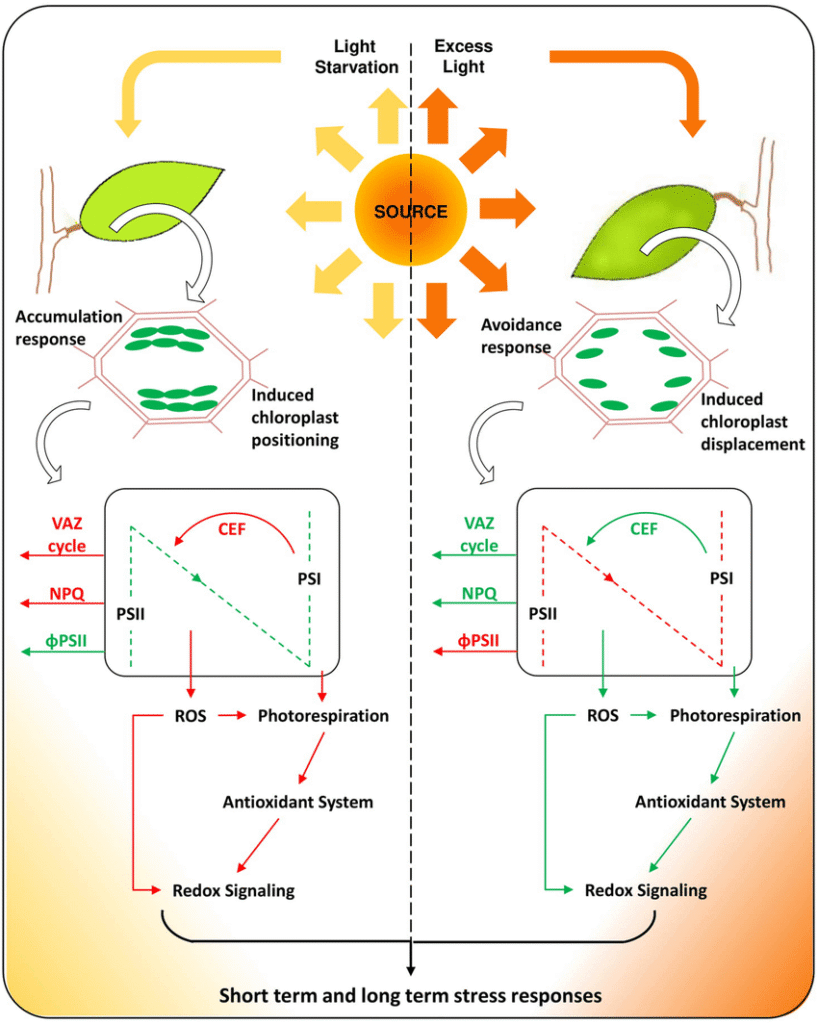
Light burn on cannabis is something every grower wants to avoid. It happens when your plants get too much light, either too intense or for too long. Scientists measure this with PPFD, which looks at how many photons hit your leaves, and DLI, which tells you how much light your plants get over the day.
The tricky part is that light burn isn’t just about heat. Even if your greenhouse or grow tent stays cool, plants can still get overwhelmed if the light is too strong. Sure, hot lights can make things worse and add heat stress, but the real issue is the sheer intensity of the photons hitting the leaves. When it’s too much, your plants’ photosynthesis machinery gets stressed, cells can get damaged, and growth suffers.
Paying attention to both intensity and duration goes a long way. That way your cannabis gets all the light it needs without risking burn, keeping your plants happy, healthy, and productive.
Differentiating Light Stress, Heat Issues, and Nutrient Problems
Telling light burn apart from other plant problems can be a bit tricky, but a few key signs make it easier.
Light Burn
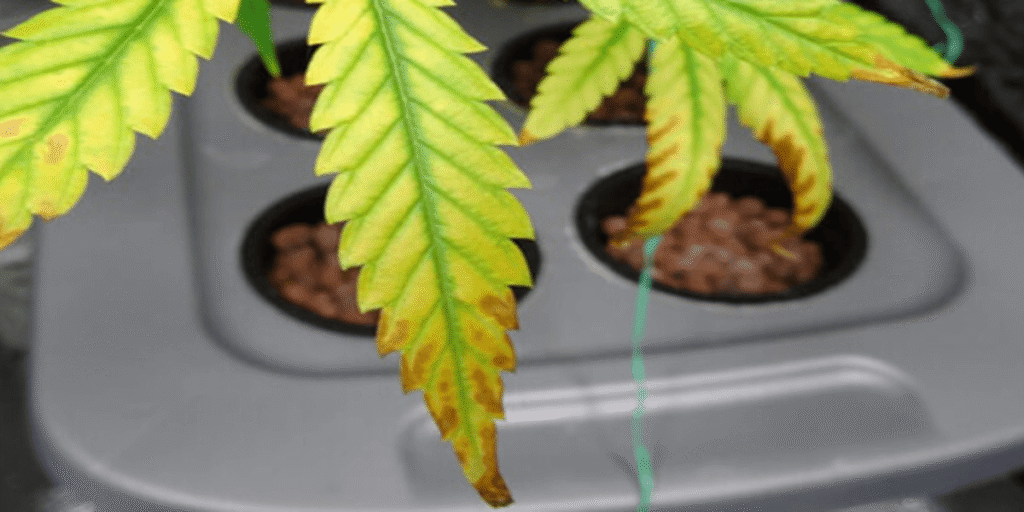
If your leaves are turning yellow or even white and look bleached, especially between the veins, that’s a big hint. They might get crispy, develop brown tips, or curl upwards like little tacos. Usually, the leaves closest to the light get hit the hardest, so check the top canopy first. When you touch them, they often feel dry and brittle.
Heat Stress
Leaves under heat stress also curl, sometimes looking like tiny canoes, and may yellow or brown at the edges. Unlike light burn, it can affect leaves across the plant, not just the top. If you touch the leaves, they might feel warm, and the whole plant can look a bit droopy.
Nutrient Deficiency (like Potassium or Magnesium)
Nutrient issues often start at the tips and edges and spread inward, or show up first on older, lower leaves depending on the nutrient. The pattern is usually consistent with the type of nutrient involved. Leaves generally feel soft and pliable rather than crispy, which helps tell it apart from light burn.
By keeping an eye on where the symptoms appear and how the leaves feel, you can usually figure out what’s really going on and fix it before your plants suffer too much.
How to Recognize Overexposure Symptoms in Cannabis
Catching light burn early is super important if you want to keep your plants healthy and thriving. It might seem obvious, but sometimes the signs are subtle at first, so a little observation goes a long way. Here’s what you should keep an eye on.
Bleaching or Yellowing on Upper Leaves
This is the classic signal that your plants are getting too much light. The leaves directly under your grow lights may start to lose their rich green color, turning pale yellow or even almost white. Often, the bleaching appears between the leaf veins first, so look closely at the center of the leaves as well as the edges. Early detection here can save you from bigger problems down the line.
Crispy or Brittle Leaves
If the tips or edges of your leaves start to feel dry, brittle, or “crunchy” when you touch them, that’s a red flag. Essentially, these leaves have been “fried” by too much light intensity. It can be alarming at first, but the good news is that adjusting your light distance or intensity can prevent further damage.
Upward Leaf Curl, or “Tacoing”
Leaves might curl upwards like tiny taco shells. This is actually a protective response,your plant is trying to reduce the amount of surface exposed to intense light. It’s also a subtle warning that the environment is stressing your plant. Keep in mind that heat stress can cause similar curling, so check temperatures to make sure it’s not a combined issue
Stunted Growth or “Praying” Leaves
Some degree of upward leaf angles is normal, but if your entire top canopy is pointing stiffly upwards as if the plant is “praying,” that’s usually a sign of serious light stress. Over time, this can slow overall growth or even pause it completely. You might notice that new leaves develop more slowly, or that overall plant vigor seems reduced.
Lack of Nutrient Uptake (Secondary Effect)
Interestingly, severe light burn can sometimes cause secondary issues like nutrient lockout. Even if your plants are getting all the right feedings, damaged leaf tissue may not be able to process nutrients efficiently. This can show up as additional yellowing, spotting, or slower growth, making it tricky to diagnose if you’re not paying attention to the light situation.
Key Indicator
One of the most reliable signs of light burn is its location. Symptoms almost always show up on the topmost leaves or those receiving the most direct light. If you catch it early and adjust your lights,whether by raising them, reducing intensity, or changing the photoperiod,you can prevent long-term damage and keep your plants thriving.
Spotting light burn early isn’t just about saving a few leaves,it’s about maintaining overall plant health, maximizing yield, and making sure all the effort you put into your grow pays off. With careful observation and small adjustments, your plants can stay happy, healthy, and productive.
Key Factors Leading to Plant Stress Under Grow Lights
Understanding why light burn happens is the first step to keeping your plants happy and healthy. Here’s the lowdown.
Lights Too Close
This is probably the most common reason your leaves end up crispy. The closer your light is to the canopy, the more intense the light hitting the plants. Different lights like LEDs, HPS, or CFLs all have their own sweet spot for hanging height, so it pays to know what works for your setup.
Excessive Light Intensity
Even if your lights are at the right distance, they might still be too strong for the plant’s current growth stage. Plants have a light saturation point, which means more light won’t boost photosynthesis and can actually harm them. If you want the full scoop on how lighting affects cannabis at every stage, check out our post on cannabis light spectrum essentials.
PPFD and DLI
Two key metrics are worth keeping in mind. PPFD measures how much photosynthetically active radiation actually reaches the leaves, and DLI tracks the total light the plant receives over 24 hours. Both help you understand if your plant is getting just the right amount of light or too much.
Extended Light Duration
Giving your plants non-stop light might sound like a good idea, but even the best growers stick to 18/6 for vegetative growth or 12/12 for flowering. Too much light without a dark period can stress your plants, especially under high-intensity lamps.
Lack of CO2
Plants need carbon dioxide to turn light into energy. If your grow area has very strong lights but limited CO2, the photosynthetic machinery can get overwhelmed. That’s one reason even “normal” light levels can stress plants in the wrong conditions.
Poor Air Circulation
Stagnant air lets heat and humidity build up around the leaves, which makes the effects of intense light worse. Good airflow helps your plants stay cool and reduces the risk of light burn and heat stress.
Genetic Susceptibility
Not all strains are created equal. Some cannabis varieties, especially sativas or those bred for low-light conditions, are naturally more sensitive to intense light. Knowing your strain helps you dial in the perfect light setup.
By paying attention to these factors, you can prevent light burn before it starts, keep your plants thriving, and get the most out of your grow lights.
Steps to Recover Cannabis from Light Damage
When you notice light burn on your plants, acting fast is key. Keep in mind that the damaged leaves won’t recover,they’re permanently affected. The goal now is to stop further damage and let your plants focus on growing new, healthy leaves.
Raise Your Lights Right Away
This is the first and most important step. Move your grow lights at least six to twelve inches higher, then watch your plants closely over the next day or two. Adjust further if needed, and always check your light manufacturer’s recommendations for the ideal hanging height at different growth stages.
Turn Down the Intensity
If your LEDs have a dimmer, try lowering the output by about ten to twenty-five percent. This can be a more precise way to reduce stress than just raising the lights, especially with powerful modern LEDs.
Boost Airflow
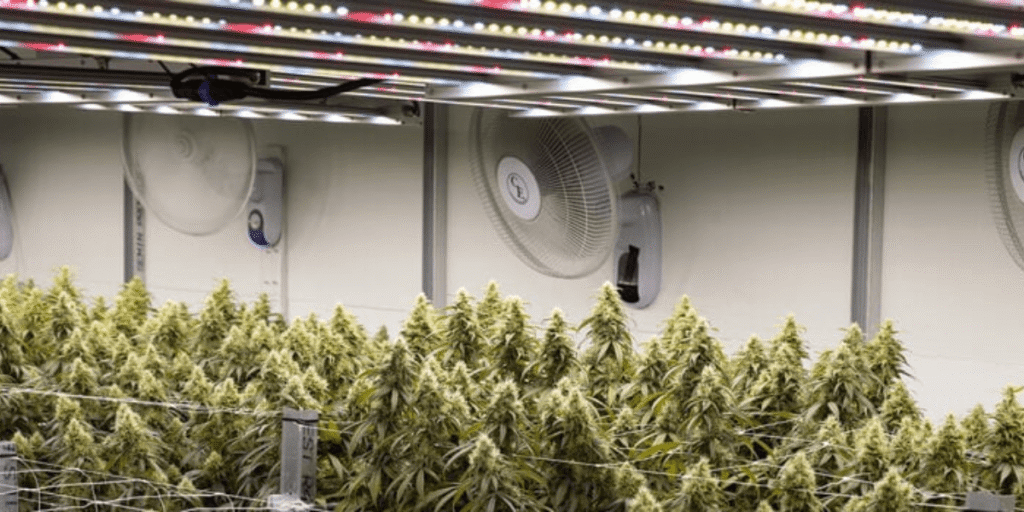
Good air circulation is a lifesaver. Add oscillating fans to gently move air around and above the canopy. Avoid blasting the plants directly,the goal is gentle movement that helps disperse heat and promotes healthy transpiration.
Check Your Environment
- Temperature: Keep your grow area in the optimal range, around twenty to twenty-six degrees Celsius, or sixty-eight to seventy-nine Fahrenheit. Heat plus strong light is a recipe for trouble.
- Humidity: Maintain relative humidity appropriate for your growth stage, roughly forty to sixty percent during flowering.
- CO2: If you’re running very intense lights above eight hundred PPFD, a little CO2 supplementation can help your plants use that light efficiently without stress.
Prune the Damage
Leaves that are severely bleached, crispy, or dead won’t bounce back and only drain the plant’s energy. Carefully trim them away with sterile scissors. Bonus: pruning improves airflow to the healthy leaves.
Watch and Learn
After making adjustments, keep a close eye on your plants for the next few days. Look for fresh, healthy growth emerging without any further symptoms. With careful observation and small tweaks, your plants can recover gracefully and continue thriving.
Best Practices to Avoid Light-Related Plant Stress
Preventing light burn is always way easier than fixing it later. If you want a healthy, thriving garden, here’s how to keep things burn-free.
Know Your Light
Start by getting familiar with your grow light’s power. Check the PPFD map and recommended hanging heights for each growth stage, whether seedlings, vegetative, or flowering. Don’t just wing it plants are picky about their light.
Get a PPFD Meter (or App)
This is a total game-changer. A good PPFD meter tells you exactly how much light is hitting your plants. If you don’t have one, some mobile apps can help, though they’re a bit less accurate. Either way, it takes all the guesswork out of the equation.
PPFD Guidelines by Stage
- Seedlings/Clones: 100–300 PPFD
- Vegetative Stage: 300–600 PPFD
- Flowering Stage: 600–900+ PPFD (if you go above 800–900 PPFD, adding supplemental CO2 is smart)
Acclimate Your Plants Gradually
Young plants shouldn’t be blasted with full intensity. Slowly increase light intensity or lower the lights as they grow and show signs of vigor. Think of it like hardening off, they’ll adapt better and stay healthier.
Adjust Light Height Regularly
As your plants grow taller, don’t forget to lift your lights. Make it part of your routine, maybe every few days, so the distance stays optimal.
Optimize Airflow and Ventilation
Air movement is everything. Use oscillating fans to avoid hot spots and keep fresh air circulating. A good exhaust system helps manage heat and keeps the canopy happy.
Train Your Plants Strategically
Techniques like Low-Stress Training, Topping, FIMming, and SCROG help create an even canopy. This prevents the top colas from hogging all the light while lower branches are left in the shadows.
Keep an Eye on Leaf Surface Temperature
A non-contact infrared thermometer is super handy here. If leaf temps are consistently much higher than the air, your plants are getting stressed from too much light. Adjust accordingly.
By following these tips, you’ll keep your garden healthy, vibrant, and free from light burn, all while getting the most out of your grow lights.
FAQs on Cannabis Stress from Intense Lighting
Q1: I think my top leaves are getting bleached. Can I still harvest safely?
Absolutely. Light burn mostly affects leaves, not the buds themselves. Just trim the damaged leaves so the plant can focus energy on new growth. Your buds are still good to go. Potency might dip a tiny bit, but it’s usually nothing major.
Q2: How can I tell if it’s light burn or a nutrient issue?
Look at the pattern. Light burn shows up on the topmost leaves first and they get crispy or pale. Potassium problems usually start on older leaves at the bottom with yellow or brown edges. Magnesium deficiencies often show as yellowing between the veins on lower leaves. Location and leaf texture are your best clues.
Q3: Can any grow light cause light burn?
Yep, any type can do it,LEDs, HPS, CFL. It’s not the type, it’s how strong the light is and how close it is to the canopy. High-powered LEDs and HPS lights are the usual suspects, but even smaller lights can burn if you forget to keep the proper distance.
Q4: If my plant gets light burn, will it recover?
The damaged leaves won’t bounce back, but don’t panic. Your plant can produce new healthy leaves if you adjust the light distance, lower intensity if you can, and keep good airflow and temperature. Think of it as a reset button.
Q5: Should I spray water on the leaves to cool them down?
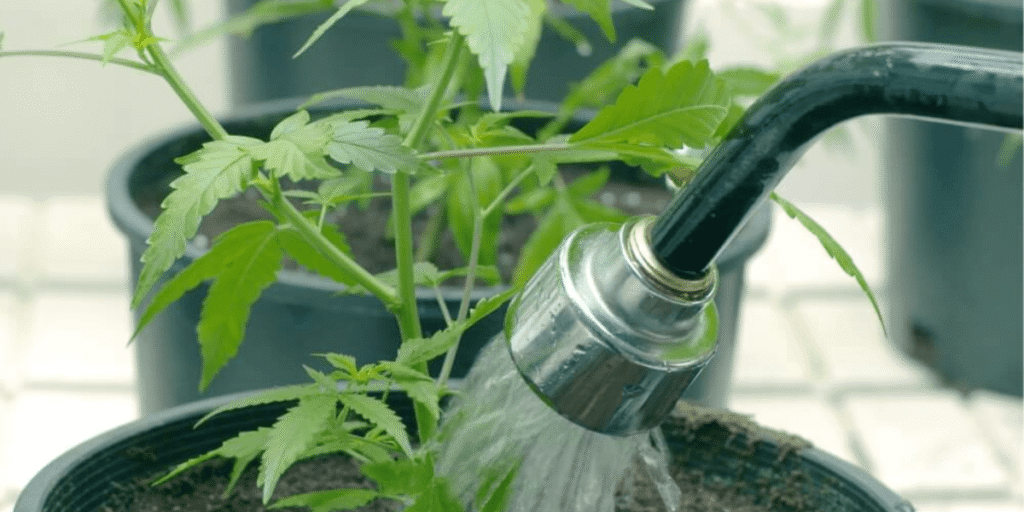
Not really. Misting under strong lights can actually make things worse and can encourage mold. Instead, just lift the lights, dial down the intensity, and make sure the air is moving around the canopy. That usually does the trick.
Maintaining Optimal Conditions for Healthy Growth
Light burn can be a real headache for cannabis growers, but the good news is it’s totally avoidable. Once you learn to spot the signs and understand what causes it, you can keep your plants safe before anything serious happens.
Growing healthy cannabis isn’t about blasting your plants with as much light as possible. It’s about giving them just the right amount at the right intensity for each stage of growth. Think of your plants as little messengers,they’re constantly telling you what they need. The more you pay attention to their signals, the easier it is to tweak your setup and keep them happy.
Keep an eye on your lights, make small adjustments when needed, and your plants will reward you with lush, resin-rich buds. In the world of cannabis cultivation, it’s all about finding that sweet spot and keeping things in balance.
Tips for Enhancing Your Indoor Cannabis Setup
Don’t let light burn mess with your harvest. Take a few minutes to check your lighting setup today. Measure how much light your plants are getting, tweak the lamp heights if needed, and make sure your plants get just what they need,no more, no less. Your happy, vibrant cannabis plants will thank you.
Now that you know how to prevent light burn, it’s all about putting these tips into action and keeping your garden thriving.
If you’re on the hunt for reliable LED grow lights, take a peek at our Grow Light Collection. You’ll find options that help your plants stay healthy and pump out bigger yields.
Got questions or want advice tailored to your setup? Swing by www.greenfuturelight.com and chat with our experts. They can help you figure out exactly what your garden needs.
We’d also love to see your progress! Share your growing journey on Instagram by tagging @Greenfuturelight, we’re always excited to celebrate your wins.
And a quick safety heads-up: when you’re working under powerful grow lights, especially those with UV, make sure to protect your eyes.For expert guidance and support, contact our team today and schedule your free one-on-one consultation!
Take care of your plants, have fun with your setup, and here’s to a bountiful, healthy harvest!
Additional Resources for Cannabis Cultivation Success
Want to dive deeper into optimizing your cannabis grow? Check out these other helpful articles: