

Cannabis Root Rot is one of the most destructive threats a grower can face, quietly attacking the very foundation of your plants, their roots. It often develops when fungi, bacteria, or overwatering create oxygen-poor conditions, allowing harmful microbes to thrive.
As the infection progresses, the roots darken, become soft and slimy, and emit a strong, unpleasant odor similar to rotten eggs. Since roots are responsible for absorbing water, nutrients, and oxygen, any damage quickly affects the entire plant. If left untreated, cannabis root rot can severely stunt growth and even kill the plants completely. In this blog, we will explore how to identify, prevent, and manage this serious condition.
Understanding Cannabis Root Rot and Root Health
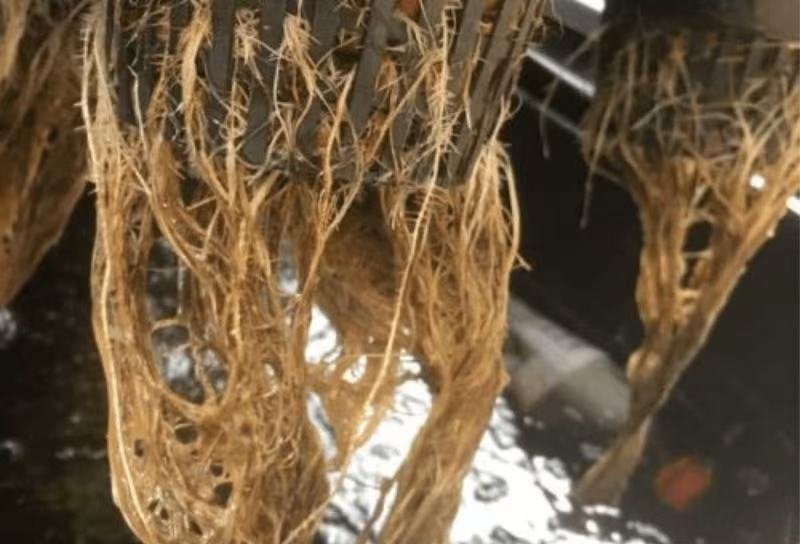
Cannabis root rot is one of the most frustrating problems a grower can face because it starts below the surface where you cannot see it right away. The disease develops when harmful organisms such as fungi, bacteria, or even microscopic parasites attack the plant’s root system. Instead of being firm, white, and healthy, the roots begin to soften, turn brown, and eventually break down.
This condition is not limited to one type of growing method. It can appear in hydroponic systems where stagnant or poorly aerated water creates the perfect environment for pathogens. It can also affect soil-grown cannabis when pots stay too wet for too long or when drainage is poor. Even in coco coir, which is usually well-draining, root rot can spread quickly if the growing medium stays saturated.
Once the roots begin to deteriorate, the entire plant suffers. Roots are the lifeline of a cannabis plant, absorbing water, minerals, and oxygen. When they are damaged, nutrient uptake slows down, leaves start to yellow, growth becomes stunted, and the plant loses its natural vigor. In advanced cases, root rot can cause an entire crop to fail, leading to wilted plants that never recover no matter how much care they receive.
Major Signs of Root Damage in Cannabis Plants
Spotting root rot early can make the difference between saving your plants and losing an entire crop. The tricky part is that the disease begins in the root zone, hidden from sight, so the first signs often appear above the soil or reservoir. Here are the main symptoms to watch out for:
Discolored and slimy roots
Healthy cannabis roots should look bright white or cream-colored and feel firm to the touch. When root rot sets in, they start turning brown or even black, becoming soft and slimy. If you pull the plant from its container or check your hydroponic system, you may also notice a foul, swamp-like odor coming from the roots. That smell is often the first big warning sign.
Wilting despite proper watering
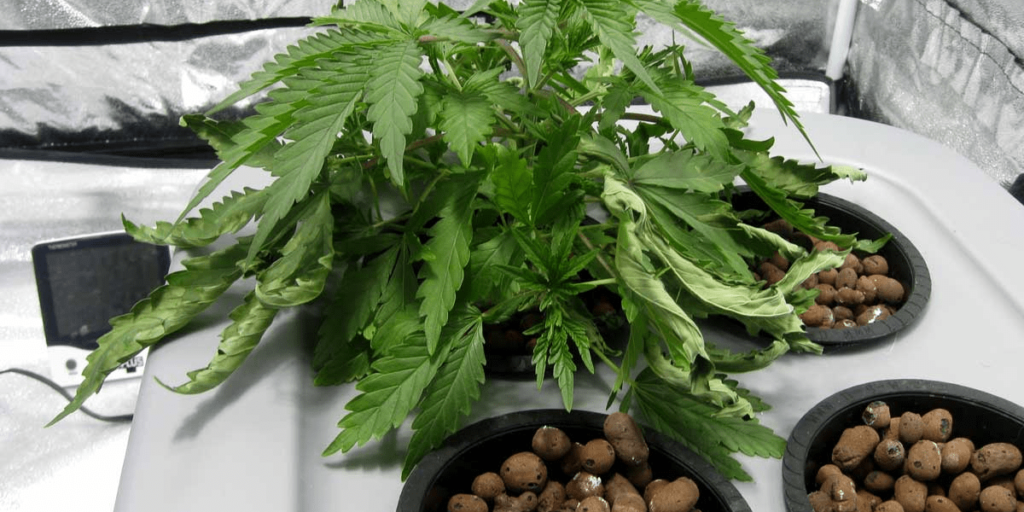
One of the most confusing symptoms is when your plants look thirsty and wilted even though the medium is already moist. This happens because the roots are no longer functioning properly. They cannot take in the water that surrounds them, so the plant aboveground behaves as if it is starving for moisture.
Pale or yellowing leaves
As the disease progresses, nutrient uptake slows down. The leaves begin to lose their rich green color and gradually turn yellow or pale, often starting with the lower leaves. This is not just a cosmetic issue. It signals that the plant is running short on essential nutrients like nitrogen, magnesium, and iron.
Stunted growth and slowed development
A healthy cannabis plant usually shows steady new growth, producing fresh leaves, thicker stems, and eventually flowers. With root rot, that momentum comes to a halt. You may notice that the plant stops developing new shoots or that buds remain small and underdeveloped.
Drooping canopy and weak stems
Even under strong grow lights and with proper feeding, a plant with root rot often looks tired. The leaves droop, the stems lose their rigidity, and the whole plant appears lifeless. In severe cases, this decline happens very quickly, leaving little time to intervene.
Common Fungal and Bacterial Pathogens in Cannabis Roots
| Pathogen | Type | Typical Environment | Main Damage to Plant | Level of Difficulty to Control |
|---|---|---|---|---|
| Pythium spp | Water mold | Warm, stagnant, low-oxygen water (common in hydroponics) | Roots become soft, slimy, brown; rapid spread via spores | Moderate to High |
| Phytophthora spp | Water mold | Soil and hydroponics with poor sanitation or drainage | Attacks root tips, causes sudden wilting and plant collapse | High |
| Fusarium spp | Fungus | Soil, coco, and contaminated substrates; persists for years | Invades vascular system, blocks nutrient and water transport | Very High |
| Rhizoctonia spp | Fungus | Contaminated soil or growing media, thrives in humid conditions | Causes reddish-brown root lesions, damping-off in seedlings | Moderate |
| Nematodes | Microscopic worms | Soil or media with poor sanitation | Create wounds in roots, opening the way for fungal infections | Moderate |
How Root Rot Develops and Affects Cannabis Growth
Root rot usually begins quietly at the very edges of the root system. The fine root hairs and young root tips are the first to be attacked because they are tender and easy for pathogens to penetrate. Once the protective outer layer of the roots is broken down, the invading organisms start working their way deeper into the tissue.
At first, you might not notice much happening above the surface, but inside the root zone the damage is already underway. Enzymes released by the pathogens gradually dissolve the root cells, turning firm white tissue into soft, mushy strands that can no longer anchor the plant or absorb water. As the infection advances, larger portions of the root mass begin to rot, and the overall structure of the root system starts to collapse.
This breakdown has a serious impact on the plant’s ability to feed itself. The xylem vessels, which normally carry water and minerals upward into the stems and leaves, become clogged and dysfunctional. Even though water and nutrients may be present in the soil or hydroponic solution, the plant cannot transport them to where they are needed.
In severe cases, the disease does not stay confined to the roots. The infection spreads into the stem base and moves upward through the vascular system. When that happens, growers often see sudden wilting or plant collapse, sometimes within just a day or two. By the time the disease reaches this stage, recovery is almost impossible, and entire crops may be lost.
Step-by-Step Cannabis Root Rot Treatment Guide
Acting Quickly to Save Cannabis Roots
When root rot shows up, time is of the essence. The sooner you respond, the higher the chances of saving your plant. While severe infections are often irreversible, early or moderate cases can sometimes be managed with prompt intervention and careful attention.
Isolating Infected Plants to Stop Spread
The first step is to separate any infected plants from healthy ones. Root rot spreads rapidly through shared water systems or contaminated tools, so isolating the affected plants helps prevent further contamination. Once separated, inspect the roots carefully. Using sterilized scissors or pruning shears, trim away brown, mushy sections until only firm, white tissue remains. Although cutting back a large portion of the root mass can feel drastic, leaving diseased tissue behind will allow the infection to return.
Cleaning Hydroponic Systems and Soil Mediums
After pruning, it is crucial to disinfect the growing environment. In hydroponic setups, drain the system and sterilize all equipment with hydrogen peroxide or another safe disinfectant. Buckets, pumps, tubing, and reservoirs can all harbor spores that could reinfect the plants if not cleaned thoroughly. For soil or coco coir grows, replacing the growing medium entirely is often the safest approach.

Boosting Root Oxygenation for Recovery
Providing sufficient oxygen to the roots is key for plant recovery. In hydroponics, adding air stones, increasing water circulation, or lowering the water level can supply more oxygen to the root zone and slow pathogen growth. In soil systems, ensuring proper drainage and avoiding overwatering achieves the same effect, creating an environment where roots can recover more effectively. For more tips on cannabis root health, check out this guide.
Using Beneficial Microbes to Protect Cannabis Roots
Many growers also achieve success by adding beneficial microbes. Products containing organisms such as Trichoderma harzianum or mycorrhizal fungi help repopulate the root zone with “good” microbes that compete with harmful pathogens. These allies not only suppress disease but also promote stronger root regrowth and overall plant health.
Environmental Adjustments to Limit Pathogen Growth
Finally, environmental adjustments can help slow the spread of root rot. Slightly lowering water or air temperatures and keeping humidity under control creates conditions that are less favorable for pathogens. When combined with good sanitation and regular monitoring, these measures can sometimes save a struggling plant and bring it back to healthy growth.
Strain Resistance and Genetics for Healthier Cannabis Roots
Not every cannabis strain reacts to root rot in the same way. Some plants seem to shrug it off, while others succumb quickly. The difference often comes down to genetics. Strains with naturally strong, dense root systems are better equipped to survive brief periods of stress or low oxygen, and certain varieties have evolved to tolerate wetter conditions without rotting.
For example, many landrace sativa strains, which evolved in regions with seasonal heavy rains, can handle waterlogged conditions better than some indica-dominant strains that prefer drier, more compact environments. Indicas with thick, dense roots tend to struggle more when oxygen levels drop or pathogens invade, making them more vulnerable to root rot.
Breeders have taken notice of these differences and are increasingly selecting for disease resistance. Modern cultivars often combine traits like rapid root growth, high oxygen tolerance, and robust natural defenses against pathogens. For growers, choosing the right strain can make a big difference, not only in terms of yield and quality but also in minimizing the risks of root-related problems.

How Cannabis Root Rot Impacts Yield and Quality
Root rot is not just a plant health issue; it can hit a cannabis grower’s wallet hard. Even a small outbreak can translate into significant financial losses if it isn’t caught in time.
One of the most immediate effects is reduced yield. Infected plants often produce far less biomass than healthy ones, sometimes losing up to half of what they would normally generate. Even if the plant survives, the buds are usually smaller, and the overall harvest volume drops.
The quality of the product suffers as well. Plants under stress from root rot often produce fewer trichomes, which are crucial for cannabinoids and terpenes. This means not only weaker potency but also less aroma and flavor, both of which are vital for market value.
In severe cases, root rot can lead to total crop loss, especially in hydroponic setups where pathogens spread rapidly through shared water systems. One infected reservoir can take down an entire room of plants if the problem isn’t addressed immediately.
Finally, managing root rot comes with additional costs. Growers often need to invest in fungicides, sterilization solutions, replacement equipment, and sometimes entirely new growing media. The labor involved in cleaning and salvaging plants also adds up, making even a moderate outbreak an expensive headache.
For cannabis cultivators, preventing root rot is not just about protecting plant health,it’s about protecting both yield and profit.
7 Pro Tips for Preventing Root Rot in Cannabis
When it comes to root rot, prevention is far better than trying to fix the problem after it starts. Experienced growers know that a few simple practices can drastically reduce the risk of infection and keep plants healthy throughout their life cycle.
1. Maintain oxygen levels in hydro systems
Roots need oxygen to thrive, especially in hydro systems. Air pumps, air stones, or constant water circulation can keep oxygen levels high, making it harder for pathogens like Pythium to take hold. Stagnant water is a perfect breeding ground for root rot, so keeping your reservoir well-aerated is critical.
2. Avoid overwatering in soil or coco coir
Even outside hydroponics, too much water is a major risk factor. Overwatered soil or coco can become oxygen-poor, creating an environment where pathogens thrive. Water only when the medium is slightly dry to the touch, and always make sure containers have adequate drainage.
3. Keep nutrient solutions at optimal temperatures
Pathogens grow faster in warm water or nutrient solutions. Maintaining temperatures around 18 to 22 degrees Celsius, or 65 to 72 degrees Fahrenheit, slows their growth. Cooler, stable temperatures also help roots stay healthy and absorb nutrients efficiently.
4. Sterilize tools and growing equipment regularly
Buckets, tubing, pumps, scissors, and trays can all harbor harmful microorganisms. Routine sterilization with safe disinfectants or hydrogen peroxide prevents pathogens from hitching a ride into your grow. Even small lapses in hygiene can allow an outbreak to start.
5. Introduce beneficial fungi and microbes
Introducing “good” microorganisms like Trichoderma or mycorrhizal fungi helps create a protective root microbiome. These friendly microbes compete with harmful pathogens, keeping them in check and promoting stronger, more resilient root systems.
6. Ensure good drainage and airflow around roots
Whether growing in soil, coco, or hydro, roots need access to oxygen and a medium that doesn’t stay soggy. Good airflow around the root zone, combined with well-draining media, reduces the risk of infection and keeps roots healthy.
7. Inspect root systems frequently for early signs
Regularly checking your plants’ roots can save a crop. Healthy roots are firm, white, and odorless. If you notice discoloration, a slimy texture, or a foul smell, take action immediately. Catching root rot early dramatically increases your chances of saving the plant.
By following these tips consistently, you create an environment where cannabis roots can thrive and root rot struggles to gain a foothold. Prevention is about staying ahead of the problem, not chasing it after the damage is done.
Conclusion: Protecting Cannabis Roots from Rot
Cannabis root rot is one of the most frustrating and difficult diseases a grower can face because it often starts quietly in the roots before any above-ground signs appear. However, it is not unstoppable. With careful observation, proactive prevention, and fast action at the first signs of trouble, growers can manage and even avoid major losses.
Investing in proper oxygenation for hydroponic systems, maintaining clean equipment, and introducing beneficial microbes can make a huge difference in keeping roots healthy and resilient. Selecting strains with natural resistance to root rot and regularly checking roots for color, texture, and smell are equally important steps that protect both the plant’s health and your harvest.
At the end of the day, preventing root rot is about creating an environment where cannabis plants can thrive naturally. Healthy roots lead to strong growth, higher yields, and better-quality buds, while weak roots leave plants vulnerable to disease and disappointing harvests. Vigilance and good cultivation practices are the keys to keeping your crop thriving from start to finish.
Call to Action for Cannabis Growers
Whether you’re running a small indoor garden, fine-tuning a hydroponic setup, or managing a large-scale commercial cannabis operation, healthy roots are the foundation of every thriving plant. By maintaining proper oxygenation, clean systems, and a balanced microbial environment, you can prevent root rot, boost nutrient uptake, and keep your plants vigorous all year round.
At Greenfuturelight, we’re proud to support growers at every level. Our hydroponic solutions, vertical towers, grow lights,and precision cultivation tools are designed to keep roots strong and crops productive. Visit www.greenfuturelight.com to explore our innovations and elevate your growing journey.
Want to see how advanced cultivation strategies can protect your plants and maximize harvests? Reach out to one of our horticultural specialists to discuss your setup, explore tailored solutions, and create the ideal environment for resilient roots and higher yields.
Follow us on Instagram @Greenfuturelight and join a global network of growers raising the bar for cannabis cultivation, one healthy harvest at a time.