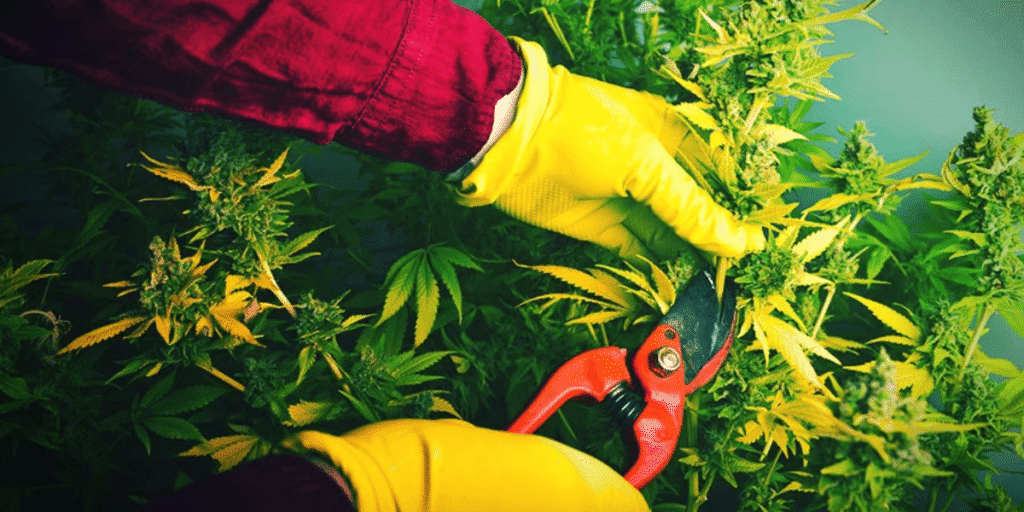
Trim cannabis buds is the essential final step that transforms freshly harvested marijuana into premium, aromatic flowers with a smooth smoke. Proper trimming not only improves the appearance but also enhances flavor, potency, and overall smoking experience.
Many beginners underestimate this step, but experienced growers know that careful trimming is what separates top-quality buds from the rest. There are two main approaches. Wet trimming is done immediately after harvest for faster work and easier handling, while dry trimming is performed after the buds have dried to preserve their full flavor and aroma.
In this guide, we’ll cover everything you need to know about trimming cannabis, including the right tools, timing, techniques, and even how to make use of leftover sugar leaves. Following these tips will help you achieve well-manicured, professional-looking buds every time.
Wet Trimming Cannabis Buds: Best for Humid Conditions
1. Key Advantages of Wet Cannabis Buds Trimming
Wet trimming is a popular method, especially in areas with high humidity or frequent rainfall. Trimming buds immediately after harvest, while they are still fresh and moist, helps significantly reduce the risk of mold. Experienced growers often say, “Trim on time to protect quality right from the start,” because catching the leaves while they are supple prevents moisture from creating a breeding ground for disease.
Another advantage is the texture of the leaves themselves. When buds are fresh, the leaves are soft and flexible, making them much easier to handle. You don’t have to worry about brittle leaves snapping and wasting trichomes, which are rich in flavor and potency. Running your fingers through fresh leaves feels smooth, and the trimming process becomes less tiring, allowing for more precise work without causing unnecessary damage to the buds.
Perhaps the most practical benefit is how wet trimming affects drying. By removing excess leaves early, buds dry faster and more evenly, saving both time and space. This can be a huge help for small-scale growers who may not have large drying racks or dedicated rooms. In short, wet trimming not only preserves quality and potency but also makes the entire post-harvest process more efficient and manageable.
2. Advantages of Wet Cannabis Bud Trimming Explained
- Wet trimming helps prevent mold and fungal infections by removing excess moisture from buds early, keeping your harvest safe and high quality.
- Fresh, soft leaves make trimming much easier, allowing your hands to glide smoothly and reducing fatigue during long trimming sessions.
- Removing extra leaves before drying speeds up the process, saving valuable drying space and energy while ensuring buds dry evenly.
- This method works especially well for small batches and flexible operations, giving growers more control and making precise, detailed manual trimming much more manageable.
3. Handling Challenges During Wet Cannabis Bud Trimming
Wet trimming comes with its own set of challenges. The sticky resin on fresh buds tends to cling to your fingers and tools, so frequent cleaning and changing gloves is essential. Experienced growers often call this a “battlefield rule” because failing to maintain clean hands and tools can slow down trimming and reduce the quality of the final product.
Handling fresh buds also requires care. Their softness makes them prone to damage, and careless trimming can easily scrape off valuable trichomes. Losing these trichomes means losing cannabinoids and terpenes, which directly impacts potency and flavor. Patience and a gentle touch are crucial, so avoid rushing or applying too much force.
Timing is another important factor. Wet trimming needs to start soon after harvest, and for larger operations, coordinating enough labor to trim batches quickly can be challenging. Any delays may compromise the quality of the entire harvest, making scheduling and preparation key.
Here are some practical tips to get the most out of wet trimming: keep plenty of sharp scissors on hand, regularly wipe tools with alcohol, keep your hands clean and dry, and trim buds in batches based on size to prevent fatigue.
Wet trimming is more than just a task,it’s a delicate art that tests a grower’s skill, patience, and dedication. When done correctly, it preserves the quality, flavor, and potency of your harvest, rewarding careful attention with exceptional results.
Dry Trimming Cannabis Buds: Preserving Flavor and Details
Unlike wet trimming, dry trimming is performed once the entire cannabis plant has been hung to dry and the leaves have become crisp and brittle. Many seasoned growers prefer this approach because it allows the buds to retain more of their natural terpene profile, preserving the rich aroma and nuanced flavors that define high-quality cannabis.
Dry trimming gives you a clearer sense of the final texture and density of the buds, making it easier to shape them precisely without losing valuable trichomes. It is particularly favored by those who aim for premium-quality cannabis or want to highlight complex taste profiles, as the slower drying process locks in the aromatic compounds that can be lost during early handling.
This method requires patience, careful handling, and a keen eye for detail, but for many growers, the effort pays off with buds that look, smell, and taste exceptional.
1. Preserving Flavor Through Proper Dry Bud Trimming
After the cannabis has dried, the leaves become crisp and much easier to cut cleanly. With the moisture gone, the leaves no longer stick to your hands or scissors, making the trimming process tidier, more comfortable, and much more hygienic.
One of the biggest advantages of dry trimming is how it preserves the delicate terpenes and other volatile compounds within the buds. When plants are wet, these compounds can be damaged or evaporate during handling, but trimming after drying helps lock in the full aroma and flavor, giving your buds a richer and longer-lasting scent.
Another benefit is flexibility. Dry trimming doesn’t need to happen immediately after harvest, which allows growers to plan and pace the work more comfortably. This reduces the time pressure that often comes with wet trimming and makes it easier to maintain consistent quality across large batches.
Overall, dry trimming is a method that emphasizes patience and precision, rewarding careful attention with buds that smell better, taste richer, and look more polished.
2. Key Benefits of Dry Cannabis Bud Trimming
- Trimming after the buds have dried helps preserve the delicate terpenes and aromatic compounds, enhancing the flavor and overall sensory experience of the final product.
- With the leaves crisp and dry, the trimming area stays much cleaner and more organized, reducing the need for constant tool cleaning and making the process more comfortable.
- Brittle leaves are easier to remove, allowing you to shape the buds neatly without damaging valuable trichomes.
- Dry trimming offers flexible scheduling, making it ideal for large-scale operations or professional growers who need to manage time efficiently while maintaining consistent quality.
3. Tips to Overcome Difficulties in Dry Cannabis Bud Trimming
One of the biggest challenges of dry trimming is the long drying period and the space it requires. Hanging entire plants to dry can take anywhere from seven to fourteen days, and during this time, temperature and humidity must be closely monitored. Too much moisture risks mold, while over-drying can damage the buds and reduce quality. Maintaining the right environment is crucial to protect both flavor and potency.
Once the buds are dry, the leaves become brittle and easy to break. Careless handling can snap stems or damage the buds, reducing their visual appeal and overall market value. For beginners, this can be especially tricky, as inexperienced hands may struggle to remove leaves cleanly without causing unnecessary loss.
Environmental control during drying and trimming is equally important. Exposure to high temperatures or strong light can degrade cannabinoids and terpenes, significantly affecting the aroma, flavor, and potency of the final product.
Here are some practical tips from professional growers: use sharp curved scissors to make clean cuts and avoid tearing leaves; keep your trimming area well-ventilated with fans and, if needed, dehumidifiers; and always monitor temperature and humidity to maintain a stable drying environment.
Dry trimming is a method that rewards patience, attention to detail, and careful handling. While it takes time and practice, the results are worth it: buds with superior flavor, potent aroma, and appealing appearance. In the next section, we will cover essential professional tools that can further improve efficiency and ensure consistent high-quality results during trimming.
How Cannabis Bud Dry Trim Enhances Taste
| Tool Name | Purpose | Description |
|---|---|---|
| Precision Trimming Scissors | Trim buds efficiently | Curved blades are great for small buds; straight blades work well for quickly removing large leaves |
| Trimming Tray / Screen | Collect trimmed leaves | Prevents waste and allows leaves to be reused for extracts or compost |
| Gloves | Keep hands clean and avoid contamination | Powder-free nitrile gloves are recommended to prevent resin from sticking |
| Drying Racks / Lines | Hang whole plants or branches | Facilitates proper air circulation and even drying |
| Dehumidifier / Fans | Control humidity and airflow | Helps maintain 50–60% humidity, prevents mold growth, and improves drying consistency |
Best Time to Dry or Wet Trim Buds
Different cannabis strains respond differently to harvest and trimming timing, so getting it right can make a big difference in both flavor and potency. One of the most reliable ways to determine the perfect moment is by observing the trichomes. Using a handheld microscope, you can check their color to guide your harvest decisions. Clear trichomes indicate that the buds are still immature. Milky or cloudy trichomes signal peak THC levels, while amber trichomes indicate higher CBN, producing a more sedative effect.
If you plan to wet trim, it can be done on the day of harvest while the buds are still fresh and moist. For dry trimming, it is usually best to wait five to ten days after drying, when the buds have lost excess moisture but are still flexible enough to handle. Trimming at this stage helps preserve the natural flavor, aroma, and potency.
Timing and careful handling are essential for any grower. Observing your plants, being patient, and understanding each strain’s unique traits will lead to buds that are flavorful, potent, and visually appealing. To improve your pruning technique, check out our guide on pruning cannabis for step-by-step tips and practical advice.
How to Manage Cannabis Bud Trimming Waste Sustainably
Trimmed sugar leaves and small buds are far from being useless. In fact, they are packed with cannabinoids and terpenes, making them a valuable by-product that can be put to good use.
One common application is as raw material for extractions. These trimmings can be processed into THC or CBD oils, tinctures, or concentrates, allowing you to capture the plant’s active compounds efficiently.
They also work well in edible products. Many growers use them to make cannabis butter, infused honey, or other baking ingredients, adding flavor and potency without wasting the plant.
Topical applications are another great option. The cannabinoids and terpenes extracted from trimmings can be made into ointments, salves, or tinctures to help with localized pain, inflammation, or skin care.
Even for traditional consumption, trimmed leaves can be incorporated into hand-rolled cigarettes, adding extra aroma and layered flavors while preserving your premium buds for later use.
By making thoughtful use of trimming by-products, growers can maximize the value of the entire plant, reduce waste, and even explore creative ways to enjoy cannabis beyond smoking.
Impact of Trimming Cannabis Buds on Flavor and Potency
Trimming goes far beyond simply tidying up your harvest; it is an essential step in ensuring consistency, quality, and a great user experience. Careful trimming has a noticeable impact on several aspects of your buds.
First, visual appeal is greatly enhanced. Removing excess leaves exposes the dense, resin-covered buds beneath, making them look fuller and more attractive. Well-trimmed buds not only please the eye but also signal quality to consumers and fellow growers.
Second, trimming influences burn quality. Leaves that are left on can create uneven combustion and produce dark, messy ash, which diminishes the smoothness and enjoyment of smoking. By carefully removing these leaves, the buds burn more evenly and provide a cleaner experience.
Aroma and flavor are also affected. Extra leaves can dilute the original terpene profile, masking the true scent and taste of the cannabis. Proper trimming helps release the pure terpene aromas, allowing the rich, nuanced flavors to shine through.
Ultimately, the precision of your trimming has a direct impact on how the product is perceived. The more meticulous you are, the better the visual appeal, burn, and aroma, which can translate into a more satisfying experience and even higher market value for your buds.
How to Handle Cannabis Buds for Better Storage
Proper trimming is one of the most important steps for ensuring that your cannabis stays fresh and maintains its quality during storage. How you trim your buds before putting them away can have a big impact on drying, curing, and long-term preservation.
Wet trimming, for example, helps the buds dry more evenly and reduces the risk of mold caused by leftover moisture. When excess leaves are removed early, air can circulate better around each bud, allowing them to dry at a consistent rate.
The amount of leaf material left on the buds also affects the humidity inside your storage containers. Too many leaves can trap moisture, creating small damp spots that increase the risk of mold or mildew during curing. Properly trimmed buds, on the other hand, maintain a more balanced humidity, which helps preserve cannabinoids and terpenes.
Well-trimmed buds are ideal for glass jar storage, the preferred method for most growers. They allow for even curing, easy monitoring, and prevent overcrowding that can crush the flowers. This careful preparation sets the stage for buds that stay flavorful, aromatic, and potent over time.
Using Automated Bud Trimming Machines Efficiently
| Aspect | Details | Advantages / Disadvantages / Recommended Use |
|---|---|---|
| Trimming Speed | Fast | Advantages: Ideal for large-scale cannabis operations; significantly reduces labor costs |
| Cut Quality | Rougher cuts compared to manual trimming | Disadvantages: Potential damage to buds and resin glands |
| Recommended Use | Automated trimming for bulk trimming | Recommended: Use automated trimmers for bulk trimming, then follow up with manual detail trimming to maintain product consistency and quality |
Latest Trends and Studies on Cannabis Bud Trimming
Trimming plays a crucial role in determining the quality of cannabis, but surprisingly, there is still very little formal scientific research on its effects. Most of what we know today comes from the hands-on experience of growers rather than systematic studies, leaving many questions unanswered.
For instance, it remains unclear exactly how the timing and method of trimming influence THC and CBD levels or the concentration of aromatic terpenes. We also do not fully understand how trimming affects the overall medicinal potency or flavor profile of the final product. This is why growers often rely on trial and error and their own observations to achieve the best results.
Looking ahead, there are several important directions for future research. Controlled experiments could help measure how different trimming techniques impact cannabinoid and terpene content. Comparing trimming effects across strains and growing conditions could reveal the optimal timing and approach for each variety. Collaboration between researchers and growers would also allow these findings to be applied in practical, real-world operations.
Moreover, the integration of smart technologies,such as sensors or AI-assisted trimming schedules,could help growers determine the perfect moment to trim, minimizing compound loss and improving consistency. By combining scientific insight with hands-on experience, trimming can become more precise, product quality more reliable, and consumer satisfaction higher.
Common Questions About Trimming Cannabis Buds
Q1: I’m new to trimming. Should I start with wet trimming or dry trimming?
A1: For beginners, wet trimming is usually easier. You can trim right after harvest while the buds are still fresh. The leaves are softer and it reduces the chance of mold.
Q2: Can I just remove the big fan leaves and leave the smaller sugar leaves?
A2: You can, but keep in mind that sugar leaves have chlorophyll, which can affect flavor and how the buds burn. If you want cleaner, higher-quality buds, especially for sale, it is better to trim more thoroughly.
Q3: Will trimming lower the THC in my buds?
A3: Only if you handle the buds roughly or touch too many trichomes. Using sharp, clean scissors and gentle handling keeps most of the THC intact.
Q4: Can I use regular kitchen scissors for trimming?
A4: It is not ideal. Kitchen scissors are not precise and can pull or damage the buds. Specialized trimming or pruning scissors work much better.
Q5: What should I do with the sugar leaves I trim off?
A5: Do not throw them away. They are full of cannabinoids and terpenes. Store them in a dry, sealed container in the fridge or freezer. You can use them later for making oils, tinctures, edibles, or topicals.
Best Practices for Cannabis Bud Processing
Picking the right trimming method comes down to a few simple things. Your climate matters. Humid areas usually make wet trimming the easiest option, while dry conditions are perfect for dry trimming. Think about your grow too, whether it’s a small home setup or a bigger commercial operation. Different strains behave differently. Some buds are dense and need extra care, while others are airy and easier to handle. And of course, consider what you want from your harvest, whether it’s for medical purposes or just enjoying the full flavor of your flowers.
If you’re just starting out, wet trimming is a great place to begin. It’s simple, forgiving, and gives you a chance to get comfortable handling your plants. Once you’ve got some experience, dry trimming can bring out more flavor, preserve aromas, and help maximize potency. Trimming isn’t just a chore. It’s an opportunity to make every bud count.
Pay attention to your plants, take your time, and keep learning with each harvest. Every small improvement adds up, turning your cultivation from a casual hobby into something truly professional.
We love seeing your grows, so tag us on Instagram @Greenfuturelight and share your progress with our community.
For more tips on hydroponics, grow lights, and plant care, check out www.greenfuturelight.
Ready to give your plants the light and care they deserve? Browse our LED Grow Light Collection today.
Need a hand? Our experts are ready to guide you for free so you can get the most out of your grow.
Let’s grow healthier and stronger plants together. Start today and enjoy the process.
Additional Resources on Trimming Cannabis Buds
- How Grow Lights Contribute to Year-Round Farming
- How Grow Lights Are Revolutionizing Greenhouse Agriculture
- Innovative Farming: Grow Lights and Vertical Farming Systems
- The Role of LED Grow Lights in Sustainable Farming
- 10 Common Cannabis Pests and Solutions
- Is Flush Necessary Before Harvest Cannabis?
- How and When to Flush Cannabis plants?