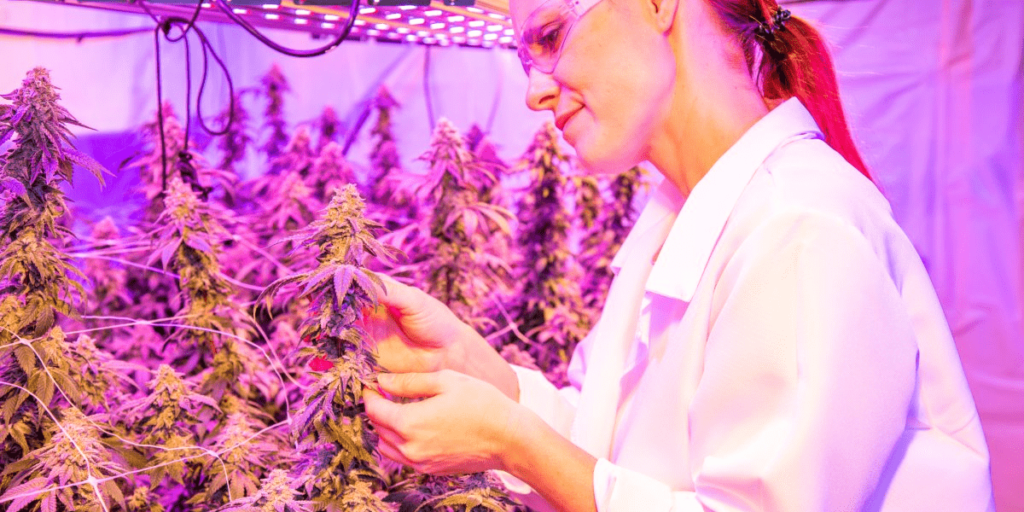
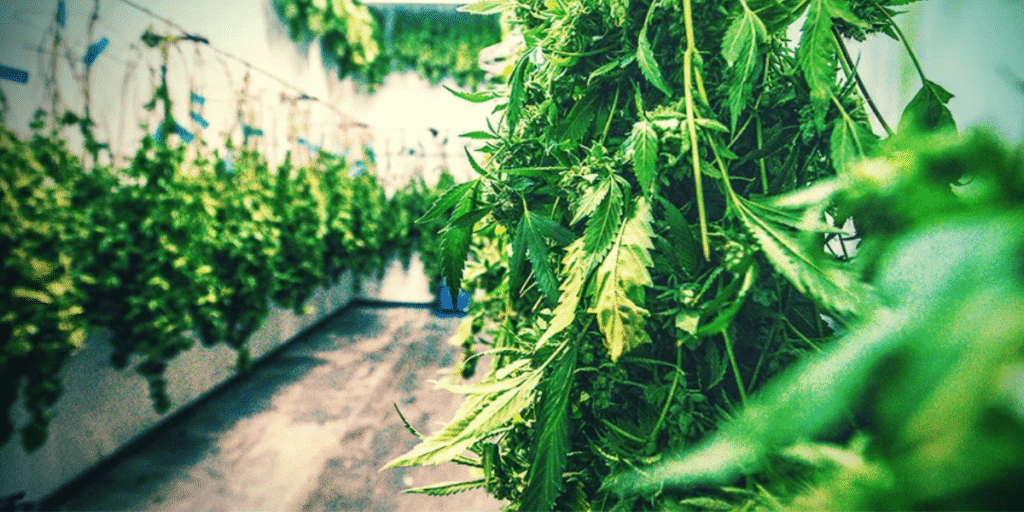
Organic Cannabis Growing is more than a method,it’s a journey. Picture this: vibrant green plants stretching toward the light, their leaves thick and glossy, the air around them carrying the rich, earthy aroma of living soil. No harsh chemicals, no synthetic fertilizers,just nature doing its thing. Whether you’re a first-time grower or a seasoned cultivator, choosing organic means nurturing stronger, healthier plants, harvesting buds bursting with flavor, and cultivating a garden that’s good for both you and the planet. It’s about reconnecting with the soil, understanding your plants, and enjoying every moment of the growing process.
Benefits of Cultivating Cannabis Organically
When it comes to growing cannabis, choosing the organic route is about more than just avoiding chemicals. It’s about caring for your plants, your customers, and the environment.
One of the main reasons to go organic is the purity of the product. Organic farming avoids synthetic pesticides, herbicides, and chemical fertilizers. This means that what ends up in your final harvest is as clean as possible, free from residues that could affect the health of anyone using it. For growers who care about quality, purity is the foundation of everything.
Organic methods also help bring out the full potential of the plant. Growing in nutrient-rich living soil encourages the plant to develop naturally, producing more robust terpenes and cannabinoids. Many experienced growers notice that organically grown cannabis tends to have a more complex aroma, a smoother flavor, and a more balanced overall effect. Every puff or infusion carries the story of healthy, happy plants.
Lastly, organic cannabis growing supports the planet. By avoiding synthetic inputs, it protects the soil, conserves water, and encourages biodiversity. This approach reduces environmental harm and contributes to a sustainable future for farming. Choosing organic is not just a decision about the crop,it is a choice to nurture the land and build a healthier ecosystem.
Sharing My Journey in Sustainable Cannabis Cultivation
My journey into organic cannabis growing started with a simple idea: if you want the best medicine, you need to give your plants the best environment to thrive in. I gradually moved away from bottles of chemical nutrients and started feeding my plants with compost, worm castings, and carefully selected natural minerals.
Switching to organic isn’t an instant fix. It takes patience as the soil develops its own living ecosystem. Microbes, fungi, and beneficial bacteria slowly build up, creating a balance that supports healthy plant growth. Over time, the difference becomes undeniable. The plants grow stronger and more resilient, better able to resist disease and stress. You can even sense the energy in the soil the rich, earthy aroma almost feels alive, a reflection of all the life supporting your crops.
What started as an experiment quickly turned into a rewarding practice. Watching my plants thrive in this natural, nurturing environment gave me a deeper appreciation for the slow, steady work that goes into organic cultivation. Every harvest feels like a small victory, a testament to patience, care, and respect for the plants and the earth.
A Step-by-Step Guide to Growing Cannabis Naturally
Switching to organic cannabis cultivation may seem intimidating at first, but it really comes down to a shift in mindset. Instead of feeding the plant directly with chemical nutrients, the focus is on feeding the soil and letting it take care of the plant naturally. This approach encourages a thriving ecosystem underground that supports healthier, stronger, and more resilient cannabis.
To make organic growing work well, a few key tools and materials are essential. High-quality compost and worm castings act like superfood for your soil, full of organic matter and beneficial microbes. Natural mineral amendments, such as rock phosphate, kelp meal, and gypsum, help replenish essential nutrients over time. Even though organic systems are more forgiving, monitoring pH and Electrical Conductivity (EC) remains important to fine-tune the environment. For those who want to get really hands-on, a simple microscope can be a game-changer. Examining compost tea under magnification lets you see the density of fungi and bacteria, giving direct insight into soil health and helping you make adjustments to keep it vibrant and balanced.
Soil Health Tips for Eco-Friendly Cannabis Cultivation
In organic cannabis growing, soil isn’t just a medium to hold roots,it’s the heart and soul of your entire garden. Healthy soil is a living ecosystem, full of bacteria, fungi, and other microorganisms working together to support strong, resilient plants. When the soil thrives, the plants naturally thrive as well. Creating living soil starts with gentle cultivation. Using no-till or minimally tilled methods helps preserve the soil’s structure and protects the delicate fungal networks that are essential for nutrient cycling. Compost tea is another powerful tool. By soaking high-quality compost in aerated water, you create a rich microbial brew that can be applied to the soil or even sprayed on leaves. This “soup” introduces beneficial organisms to the root zone and foliage, enhancing the plant’s natural defenses and overall vigor. Mulching is equally important. A layer of organic material, such as straw or cover crop residue, on the soil surface helps retain moisture, regulate temperature, and continuously feed the soil microbes.
For even better results, paying attention to root health is crucial. A strong root system allows your plants to absorb nutrients more efficiently, resist disease, and maintain vigorous growth. Our guide on How to Improve Cannabis Root Health dives deeper into root care techniques, including aeration, beneficial microbes, and nutrient management. By combining these soil and root-focused practices, you create an environment where your organic cannabis can truly flourish from the ground up.
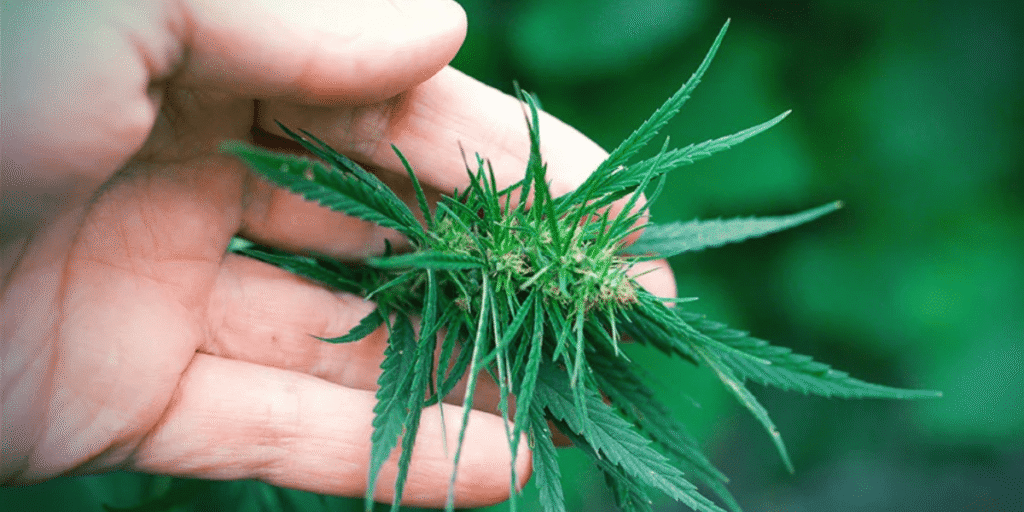
Managing Pests Naturally in Cannabis Gardens
In an organic cannabis garden, the goal is not to completely eliminate pests, but to create a balanced ecosystem where nature itself keeps populations in check. It’s about working with the environment rather than against it, so plants can grow strong without relying on harsh chemicals.
One of the most effective ways to maintain this balance is by introducing beneficial insects. Ladybugs, predatory mites, and green lacewings act as natural gardeners, patrolling your plants and keeping harmful pests under control. Observing them at work is a reminder that a healthy ecosystem can often manage itself. Alongside this, integrated pest management practices are essential. Regularly inspecting your plants, ensuring good air circulation, and maintaining proper humidity levels can prevent many issues before they even appear.
Sometimes, pests still appear despite your best efforts. In these cases, organic sprays can help, but they should be used thoughtfully. Neem oil, carefully applied pyrethrin, or insecticidal soaps are all options that control problems without leaving harmful residues behind. Because they break down quickly, they keep your plants safe and your garden environment healthy, supporting both pest control and overall plant vitality.
Eco-Friendly Approaches to Cannabis Cultivation
Choosing organic cannabis cultivation isn’t just about your plants,it’s also a choice to care for the planet. One of the biggest benefits is water efficiency. Living soil rich in organic matter acts like a sponge, holding moisture much longer than sterile, chemical-treated soil. This means you don’t need to water as frequently, and your plants stay hydrated naturally.
Healthy organic soil also plays a role in carbon sequestration. No-till practices combined with living soil help capture carbon dioxide from the air and store it underground, effectively making your grow more environmentally friendly. Another advantage is reduced runoff. Because organic growers avoid synthetic fertilizers and pesticides, there’s little to no risk of harmful chemicals leaching into local waterways. This keeps surrounding ecosystems healthier and reduces the environmental footprint of your cultivation. Overall, growing organically helps you produce top-quality cannabis while contributing to a more sustainable and resilient planet.
Cannabis Cultivation Trends and Regulatory Insights
The demand for organic cannabis is growing stronger every year. Consumers are becoming more conscious about what they put in their bodies and are actively seeking products that are natural, safe, and sustainably grown. Organically cultivated cannabis often commands a premium price because it delivers transparency, quality, and peace of mind buyers know they are getting a product free from synthetic chemicals.
Navigating the regulatory landscape can be tricky, but it is essential for any serious grower. Federal organic certification like USDA Organic is complicated for cannabis due to its legal status, but many states and private organizations have stepped in to fill the gap with certifications such as Clean Green or Organic Equivalent. Staying informed about these standards allows growers to market their products confidently while meeting legal requirements. Understanding and leveraging these certifications can make a significant difference, helping your organic cannabis stand out in a crowded market and reach consumers who value authenticity and quality.
FAQs About Growing Cannabis Organically
Q1: Is organic growing lower yielding?
Not really. With healthy living soil, yields can be just as good as chemical-fed plants, and the quality is often better.
Q2: How do I feed plants during flowering?
Use compost, worm castings, bat guano, or bone meal. The microbes break these down slowly, giving flowers a steady nutrient supply.
Q3: What about pests in living soil?
A balanced soil ecosystem helps plants resist pests naturally. Healthy plants are less attractive to bugs.
Q4: Can I grow organically indoors?
Yes, just use good living soil, manage airflow and humidity, and follow the same organic principles.
Q5: Is starting organically expensive?
Slightly at first for quality soil and amendments, but you save on chemicals and avoid pest problems later.
Essential Tips for Successful Organic Cannabis Cultivation
Growing cannabis organically is more than just a method, it’s a way of working with nature. It asks you to slow down, pay attention, and let the soil and plants guide you. The process takes patience, but the rewards are clear. You get healthier, more flavorful, and safer buds while building a thriving soil ecosystem that benefits the environment. Every step, from feeding the soil to watching plants respond, is a lesson in balance and care. For anyone willing to commit, organic growing offers a deep sense of satisfaction and a product that truly reflects quality and natural harmony.
Begin Your Natural Cannabis Growing Adventure
Why wait for the perfect moment? Whether you’re trying out a small indoor garden, running a hydroponic tower, or managing a full greenhouse, getting started now makes a difference. Begin small improve your soil, brew some compost tea, and watch your plants thrive. Stronger roots, greener leaves, and tastier harvests will follow, no matter your experience or setup.
Explore our energy-efficient LED grow lights and smart gardening tools at www.greenfuturelight.com. We have options for everyone, from beginners growing a few herbs to experienced cultivators looking for maximum yields.
Not sure where to start? Our lighting and horticulture specialists are happy to guide you, helping you choose the setup that fits your space and plants perfectly. Growing should be simple, fun, and satisfying.
Join our community on Instagram @Greenfuturelight to share your progress, swap tips, and connect with fellow growers who are turning indoor farming into something enjoyable and productive. Let’s grow together and make every plant count.