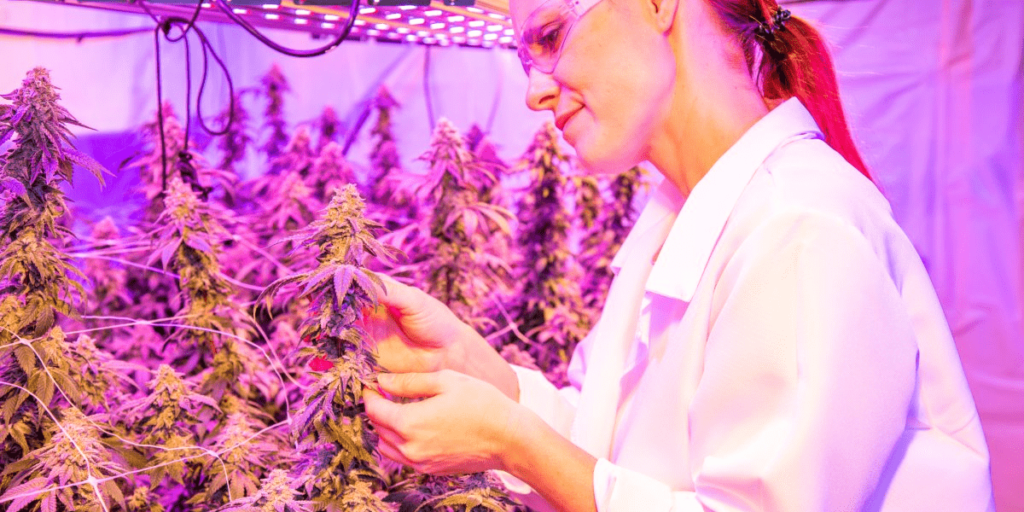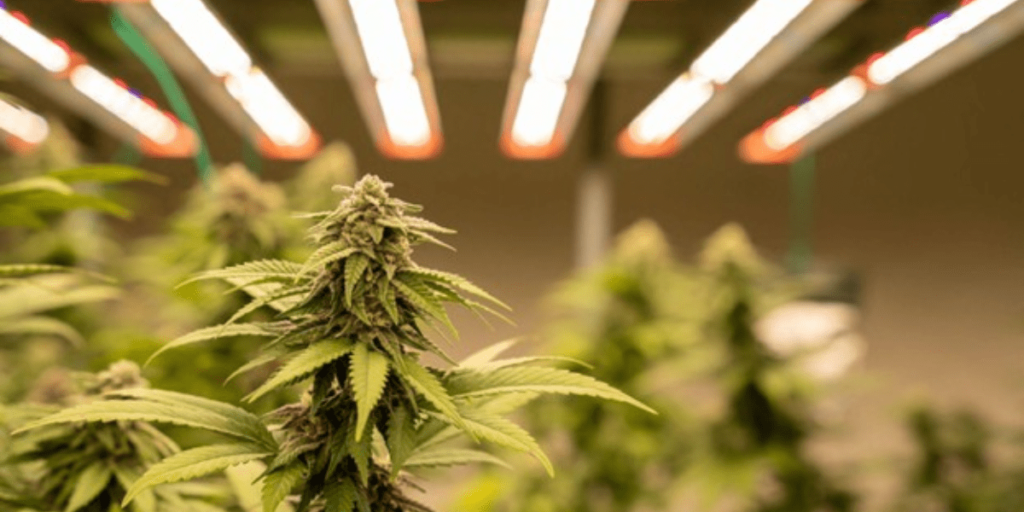
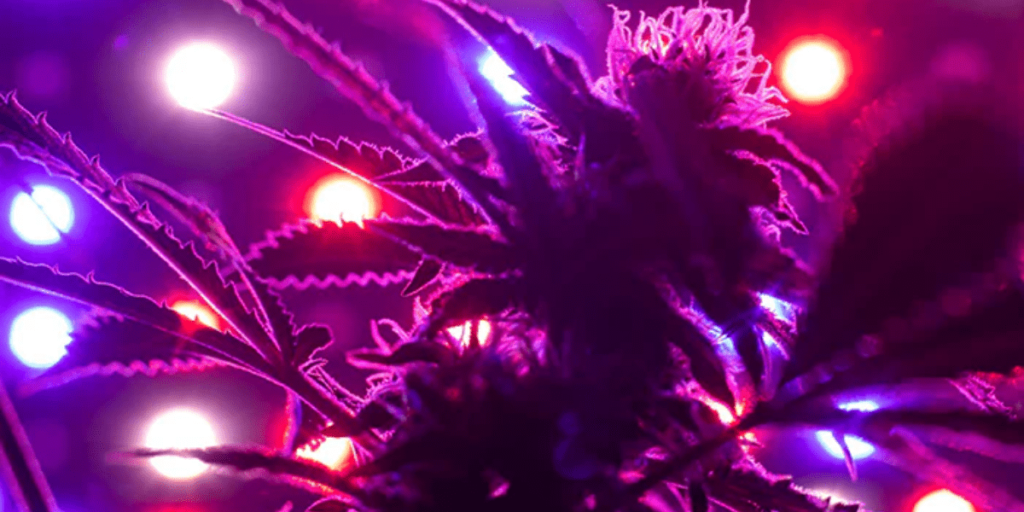
Red light vs blue light cannabis might seem like a simple choice, but it can completely change how your plants grow, flower, and produce buds. Blue light fuels leafy growth during the vegetative stage, keeping stems strong and leaves lush, while red light takes over in flowering, triggering buds to swell and resin to reach its full potential. Choosing the right spectrum at the right time can be the difference between a mediocre harvest and an extraordinary one.
So how do you know which light your plants really need at each stage? Understanding the unique role of red and blue light lets you guide your cannabis through every phase, from delicate seedlings to fully mature, resin-packed buds. Mastering this balance can turn your grow room into a powerhouse, helping your plants thrive like never before and giving you a harvest you’ll be proud of.
Red Light vs Blue Light Cannabis Explained: Which Spectrum Matters Most
When it comes to growing cannabis, red and blue lights each have unique roles because they represent different wavelengths of light. Blue light has a shorter wavelength, usually between 400 and 500 nanometers, and it is essential for healthy vegetative growth. It helps plants develop strong stems and lush leaves by supporting photosynthesis and overall energy production. On the other hand, red light has a longer wavelength, around 600 to 700 nanometers, and it becomes especially important as the plant moves into the flowering stage. Red light encourages buds to form and supports fruiting, which is crucial for a successful harvest. Both types of light are important throughout the plant’s life cycle, and the key to healthy growth and maximum yield is finding the right balance between the two.
How Light Spectrum Impacts Cannabis Growth and Flowering
Blue Light for Cannabis: Strong Leaves and Sturdy Stems
Blue light, which falls in the 400 to 500 nanometer range, is extremely important during the vegetative stage of cannabis. It encourages the plant to produce more chlorophyll, which boosts photosynthesis and helps the plant absorb energy efficiently. One of the key benefits of blue light is that it prevents stems from becoming too tall or spindly, keeping plants compact and sturdy. This is especially useful for indoor growers with limited space.
Blue light also helps plants handle environmental stresses, such as temperature fluctuations or inconsistent watering, making them more resilient. It influences how stomata open and close, which is essential for proper gas exchange and overall plant health. For these reasons, during the seedling and vegetative stages, it’s best to use a higher proportion of blue light, around 70 percent, to promote strong roots, healthy leaves, and a solid foundation for later growth.
Red Light for Cannabis: Boosting Bud Size and Resin Content
Red light becomes especially important once your cannabis plants enter the flowering stage. It encourages the plant to produce flowering hormones, which helps buds form and develop more fully. Red light also boosts resin production, increasing cannabinoid levels and enhancing the plant’s overall potency.
Another benefit of red light is that it can help speed up the flowering process, allowing for an earlier harvest without sacrificing quality. For these reasons, during the flowering stage, it’s a good idea to increase red light to around 70 percent. This supports healthy bud development, maximizes yield, and helps your plants reach their full potential.
Far-Red Light Effects: Bigger, Denser Cannabis Buds
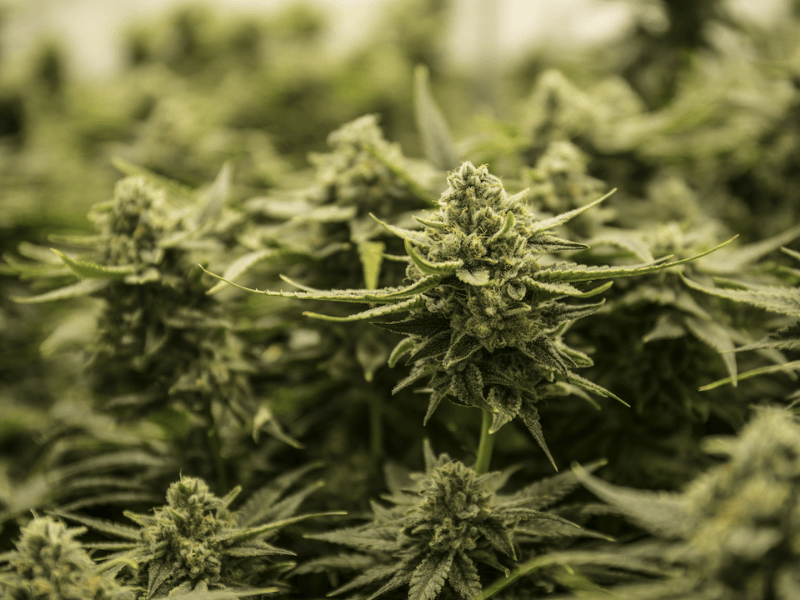
Far-red light is particularly useful during the late flowering stage of cannabis. It encourages buds to expand by stimulating cell growth, helping them become bigger, denser, and more robust. This makes a noticeable difference in both the size and overall quality of the flowers.
Far-red light also helps plants sense the length of day and night. This photoperiod perception ensures that flowering and maturation happen at the right time. Increasing far-red light exposure during the final weeks of flowering can support full bud development. It helps your buds reach their maximum size and quality.
Finding the Right Red and Blue Light Balance for Every Growth Stage
Cannabis plants need different types of light at each stage of their growth. Adjusting the spectrum can make a big difference in both plant health and yield. During the vegetative phase, plants benefit most from blue light. It should make up around 60 to 70 percent of your total light. This higher proportion of blue light helps stems grow strong and leaves stay lush and healthy. It sets the foundation for vigorous growth later on.
When plants transition into the flowering phase, the balance should shift. Red light should now make up roughly 60 to 70 percent of the light. It encourages buds to form and develop quickly, leading to a bigger harvest. For many growers, using a full-spectrum light is the easiest option. These lights provide a mix of red and blue wavelengths, supporting plants from seedling to harvest and ensuring steady growth at all stages.

Best Red-to-Blue Light Ratios for High Yield Cannabis
Research and experience show that adjusting the balance of red and blue light based on the plant’s growth stage can greatly affect health, size, and yield. During the vegetative stage, plants do best with a higher proportion of blue light, around 60 to 70 percent, and the remaining 30 to 40 percent red light. This mix encourages compact, sturdy growth and helps leaves develop fully.
When plants enter the flowering stage, they benefit from more red light, about 60 to 70 percent, while blue light drops to 30 to 40 percent. This shift supports strong bud formation and improves overall quality. In the final maturation stage, adding a bit more far-red light helps buds expand and ripen fully. Adjusting light ratios in this way ensures plants receive the right signals at every stage of growth.
Light Cycle Tips: How to Use Red and Blue Light Effectively
Light cycles have a big impact on how cannabis grows and when it flowers. During the vegetative stage, plants benefit from a long period of light each day, usually around 18 hours, followed by 6 hours of darkness. This extended light encourages strong stems and healthy leaves, setting the stage for vigorous growth.
When plants enter the flowering stage, the light schedule should shift to 12 hours of light and 12 hours of darkness. This mimics the natural shortening of days and signals the plant to start producing buds. In the final maturation stage, slight adjustments to the light cycle can help optimize bud size and density, giving flowers time to fully develop before harvest. Careful attention to light timing ensures your cannabis reaches its full potential at every stage.
Choosing the Right LED Grow Lights for Cannabis
Choosing the right type of lighting is one of the most important decisions you can make for your cannabis plants. Far-red LEDs are particularly useful during the late flowering stage because they help buds grow larger, denser, and reach full maturity. Metal Halide lamps produce more blue light, making them ideal for the vegetative stage when plants need strong stems and healthy leaves. High-Pressure Sodium lamps emit mostly red light, which is perfect for the flowering stage and encourages buds to form and develop fully.
For many growers, full-spectrum LEDs provide the best balance. They offer a mix of red and blue light, making them suitable for the entire growth cycle. Full-spectrum lights help plants thrive from seedling to harvest. Choosing the right light type at each stage can significantly impact growth, yield, and overall plant health.
Common Questions About Red and Blue Light Cannabis
Q1. Can Blue Light Speed Up Flowering in Cannabis?
Not really. Blue light is more beneficial during the vegetative stage for growth, whereas red light is the one that promotes flowering. Both need to be balanced for optimal growth.
Q2. Why is Red Light Important for Cannabis?
Red light stimulates flowering and bud growth, which is critical for increasing yields and improving the quality of cannabis flowers. Without enough red light, your cannabis plants may struggle to reach their full potential.
Q3. What’s the Difference Between LED Grow Lights and Traditional Grow Lights?
LED lights are much more efficient than traditional lighting options. They provide specific wavelengths of light (like red and blue) that plants need, without excessive heat or energy waste. They’re perfect for cannabis cultivation.
Q4. Do I Need to Provide Light 24/7?
Nope! Cannabis plants have a natural growth cycle. During the vegetative stage, 18 hours of light and 6 hours of darkness works best. When flowering, a 12/12 light cycle (12 hours light, 12 hours darkness) is optimal.
Q5. What’s the Best LED Light for Cannabis?
Look for a full-spectrum LED light. These lights provide both red and blue light, which is perfect for all stages of cannabis growth. They’re energy-efficient, provide the right light at the right time, and are great for increasing yields.
Conclusion: Combine Red and Blue Light for Healthier, Potent Plants
UV and IR light are far more than optional extras in your cannabis grow setup,they are powerful allies that can elevate your plants to their full potential. Ultraviolet light encourages trichome production, boosting cannabinoids and terpene complexity, while infrared light influences flowering timing and stem elongation, giving you denser, more resin-rich buds. Whether you are a hobbyist or managing a commercial operation, understanding how these wavelengths affect cannabis gives you a serious advantage for healthier, more productive plants.
The key lies in precise application. Tailor the UV and IR exposure to your specific strains, monitor your environment carefully, and pay close attention to the signals your plants provide. Too much or too little can hinder growth, so observation and fine-tuning are critical to achieving optimal results.
We love seeing your plants flourish, so don’t forget to tag us on Instagram @Greenfuturelight and share your latest grow projects.
For more advanced hydroponic tips, grow light strategies, and comprehensive plant care guides, visit our website at www.greenfuturelight.com.
Ready to elevate your cannabis cultivation? Explore our premium LED Grow Light Collection today. For personalized guidance on your setup, Contact Our Team today for a free consultation and let us help you optimize your grow.
Take your harvest to the next level with GreenFuturelight Advanced Spectrum LEDs, featuring switchable UV-A/UV-B and finely tuned far-red channels. These lights unlock the full potential of your plants, enhancing potency, yield, and overall quality for an exceptional cultivation experience.