Cannabis Is Ready to Harvest is a key milestone every cultivator eagerly awaits. Harvesting marks the culmination of weeks or months of careful cultivation,balancing light cycles, nutrients, and environmental factors. Harvesting too early risks lower potency and yield, while waiting too long can degrade cannabinoids and alter flavor profiles.
To make the best decision, it’s vital to recognize the plant’s biological cues. This guide will walk you through the essential signs,ranging from visible changes in pistils and trichomes to subtle shifts in aroma and leaf condition,helping both beginners and experienced growers pinpoint the optimal harvest time with confidence.
Pistil Changes That Show Cannabis Is Approaching Harvest
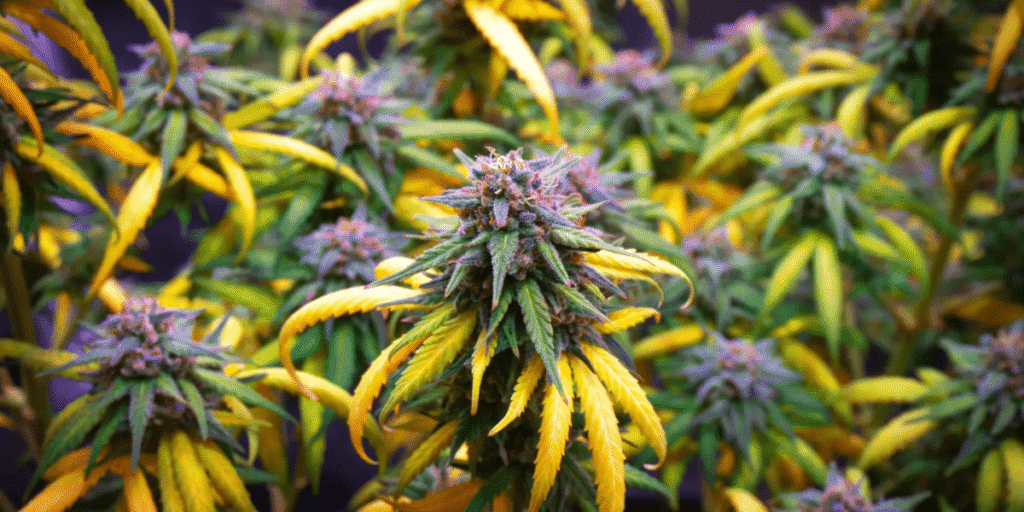
Pistils are the fine, hair-like structures that emerge from the calyxes of female cannabis flowers. In the early stages of flowering, pistils are white and upright. As the plant matures, these pistils darken,turning orange, amber, or brown and curl inward.
What to look for:
- White pistils (immature): The plant is still developing.
- 70–90% darkened pistils (mature): A good sign of approaching readiness.
However, pistils alone are insufficient as a single indicator. They should be observed in conjunction with trichome development for accuracy.
How Trichome Color Reveals Cannabis Harvest Readiness
Trichomes, the resinous glands on buds and leaves, house most of the plant’s cannabinoids and terpenes. Under magnification, they look like tiny mushrooms.
Trichome stages:
- Clear trichomes: Immature, low potency.
- Cloudy/milky trichomes: Peak THC production, balanced psychoactive effects.
- Amber trichomes: THC is oxidizing to CBN, yielding sedative effects.
The Role of Glandular Trichomes in Determining Harvest Time
Not all trichomes are equally relevant. Focus only on the capitate-stalked trichomes, which produce the majority of cannabinoids. The other two types bulbous and capitate-sessile,may be present but do not contribute significantly to potency.
Misjudging ripeness by looking at the wrong type of trichome can lead to premature or delayed harvests, which negatively affect yield and effect.
Leaf Behavior That Signals Maturity in Cannabis Plants
As cannabis nears maturity, you may observe:
- Yellowing of fan leaves due to natural nitrogen depletion.
- Color shifts (e.g., purpling) in sugar leaves, especially in cooler temps or in genetically predisposed strains.
- Leaf tip curling or drying, particularly in the upper canopy.
These are natural senescence signs indicating plant maturity, but like pistils, they should be cross-referenced with trichome data.
Scent Intensification: A Natural Indicator of Harvest Time
The aromatic intensity of cannabis increases dramatically in the final stages of flowering. This is due to:
- Peak terpene synthesis.
- Enhanced resin production.
- More distinct strain-specific scent notes, from citrus to skunk, diesel to pine.
A sharp, rich, and pungent aroma is a strong supporting indicator that the plant is chemically mature.
Pinpointing the Perfect Time to Cut Your Cannabis
While harvest timing varies slightly depending on the cultivator’s goals, here are general guidelines:
- Energetic/euphoric effects: Mostly cloudy trichomes, very few amber.
- Balanced effects: ~80% cloudy, ~20% amber.
- Sedative/body-heavy effects: 40–50% amber trichomes.
Placed in the section about observing pistil color changes or best harvest timing:
Observing the color changes in pistils is a key indicator of flowering maturity. It is generally recommended to start close monitoring around the 6th week of flowering. For a detailed timeline of each growth stage, you can check out this cannabis growing timeline from seed to harvest.
Why Strain Characteristics Matter in Harvest Decisions
Different cannabis genotypes express maturity differently:
- Sativas: Longer flowering periods (10–14 weeks), pistils may remain white longer.
- Indicas: Faster maturing (7–9 weeks), trichome and pistil transitions occur sooner.
- Autoflowers: Operate on a fixed cycle, often maturing in 8–10 weeks regardless of light.
Always compare plant behavior with known data about the specific cultivar you’re growing.Different cannabis strains have varying requirements for growing conditions and management. Proper seedling care and transplanting techniques are essential for ensuring healthy plants and maximizing yields later on. For more tips on seedling transplanting, you can refer to this article: how to transplant cannabis seedlings correctly.
Interpreting Subtle Plant Shifts Before Harvesting Cannabis
Beyond the obvious indicators, mature cannabis also shows subtle behavioral shifts:
- Calyxes swell and become resin-heavy.
- Buds stop growing vertically and instead increase in density.
- Branches may droop from the weight of mature flowers.
- Plant odor peaks and may take on complex undertones,spicy, earthy, sweet, or chemical.
These signs provide valuable context, especially when observed alongside trichome data.
Advanced Guide and Practical Tips
1. How Harvest Timing Impacts Cannabinoid Potency
Cannabinoid profiles evolve dramatically near harvest. A few days can alter THC-CBD-CBN ratios. Harvesting early may favor THC-rich, uplifting effects. Late harvest increases CBN, beneficial for sleep or anti-inflammatory use.
Tip: Decide your harvest time based on the therapeutic or recreational outcome you’re aiming for.
2. Avoiding Common Errors When Determining Harvest Readiness
- MYTH: “When pistils darken, it’s time to harvest.”
FACT: Pistils can darken prematurely due to stress or environment. Trichomes tell the real story. - MYTH: “Bigger buds mean they’re ready.”
FACT: Size ≠ maturity. Buds may be large but still chemically immature. - MYTH: “Harvesting earlier gives a cleaner high.”
FACT: Not always. It can lead to a less potent, underdeveloped cannabinoid profile.
3. Essential Tools for Assessing Cannabis Maturity
To assess trichomes accurately, use:
- Jeweler’s loupe (30–60x): Portable, affordable.
- Handheld digital microscope (100–200x): High precision, can take photos.
- Macro smartphone lens: Good for casual growers.
- LED ring light or natural side lighting: Essential for clarity.
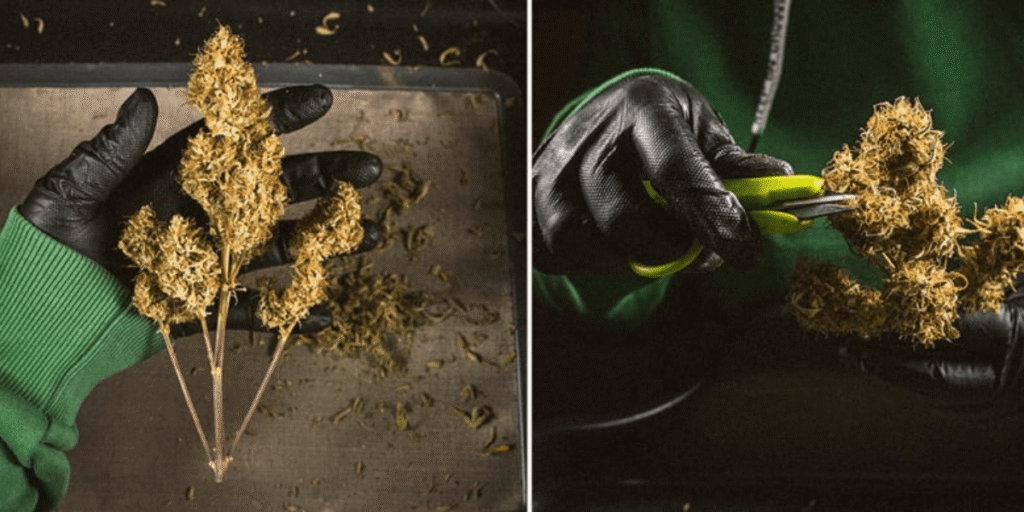
4. Step-by-Step: What Happens After You Harvest Cannabis
After harvesting, the next phase is critical for preserving potency and flavor.
- Drying (7–10 days): Hang in a dark room, 20°C, 50–60% RH.
- Curing (2–4+ weeks): Store buds in glass jars, burp daily to prevent mold and allow terpene development.
- Trimming: Can be done wet or dry depending on technique and preference.
5. Visual Aids and Trusted Resources for Home Growers
Helpful Resources:
- Trichome reference charts
- Cannabis strain flowering time database
- Harvest timing calculators
- Microscope and loupe product links
- Growers’ forums (e.g., GrowWeedEasy, Reddit r/microgrowery)
Including visual guides of trichome changes and side-by-side pistil stages is recommended for new growers.
Top Questions About Knowing When Cannabis Is Ready
Q1. How can I tell if my cannabis seedlings are healthy and ready to enter the flowering stage?
Healthy seedlings are the foundation for a successful harvest. Look for deep green, spot-free leaves, sturdy stems, and vigorous growth to confirm they are in good condition.
Q2. When is the best time to start observing signs of flowering maturity?
It’s generally recommended to begin inspecting the trichomes (especially the capitate-stalked type) and pistils with a magnifier around the 6th week of flowering. Observing too early may lead to inaccurate judgments.
Q3. What do the three different trichome colors mean, and how do I know the ideal harvest time?
Clear trichomes indicate immaturity; milky (cloudy) trichomes signal peak THC levels; amber trichomes show THC is breaking down into CBN, which has more sedative effects. The ideal harvest time is usually when there is a balanced mix of milky and amber trichomes, depending on the desired effects.
Q4. Does the change in odor help determine harvest readiness?
Yes. A stronger, strain-specific aroma usually indicates full maturity. A weak or faint smell may mean the plant isn’t fully ready yet.
Q5. How should I store cannabis after harvest to maintain quality?
Proper drying and curing under controlled temperature and humidity are essential to prevent mold and nutrient loss. Longer curing times typically enhance flavor and potency stability.
Final Thoughts: Recognizing the Signs of a Harvest-Ready Plant
Determining exactly when your cannabis is ready to harvest is key to maximizing potency, flavor, and yield. By closely monitoring pistil color, trichome development, leaf changes, and aroma, you can make confident, science-backed decisions that elevate your final product.
For growers seeking precise control over every stage, Greenfuturelight offers advanced LED grow lights and cultivation tools tailored to indoor cannabis cultivation.
If you want to sharpen your harvest timing or have questions on plant care, feel free to contact our expert team for personalized guidance. Visit www.greenfuturelight.com to explore solutions designed to help you grow smarter and harvest better.
Have questions or want one-on-one advice? Reach out to our team today for a free consultation!Share your grow journey with us on Instagram @Greenfuturelight,we love celebrating your success!
Happy harvesting, and may your yields be rich in both flavor and effect.