
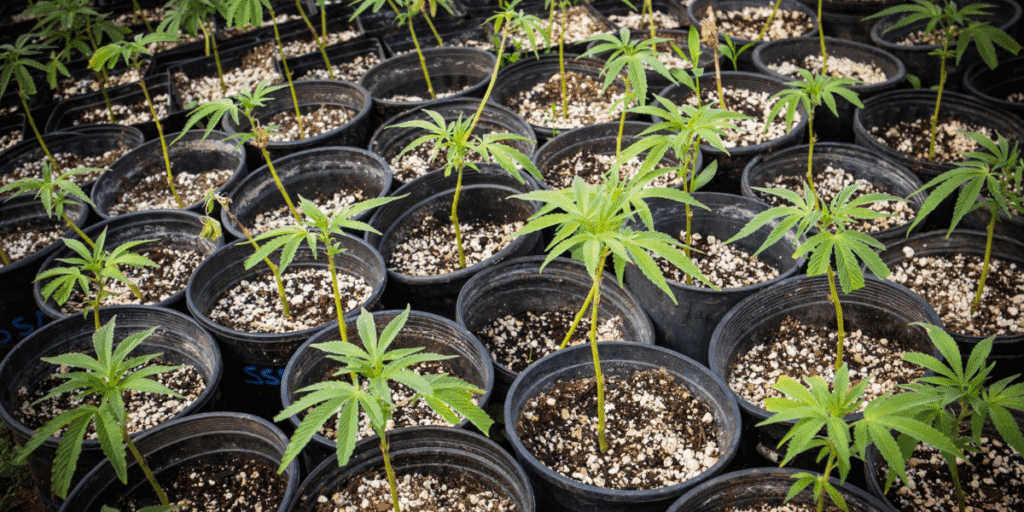
Repot cannabis plants the right way and watch them thrive. Giving your plants more space and fresh nutrients means stronger roots, sturdier stems, and fuller buds. Whether you’re an experienced grower or just getting started, repotting is the step that sets the foundation for healthier, more vigorous growth.
In this guide, you’ll discover when and how to repot for the best results. From picking the perfect pot to handling delicate roots with care, we’ll share practical tips that help your cannabis flourish and reward you with a bigger, more satisfying harvest.
Why Repot Cannabis Plant Is Essential for Strong Roots and Steady Growth
Healthy roots are the foundation of bigger, stronger yields. When cannabis roots run out of space and start circling at the edges of a pot, they can become tangled and root-bound. This restricts the plant’s growth, limits nutrient and water uptake, and can stress the plant, leading to slower development and smaller buds.
Repotting gives the roots room to spread out, access fresh soil, and absorb nutrients more efficiently. It also encourages the plant to develop a stronger root system, which supports bigger stems and healthier foliage. By providing more space for the roots to breathe and grow, you set your plant up for a more vigorous vegetative stage and ultimately a higher-quality harvest.
Tip: If you’re interested in guiding your plant’s shape as it grows, check out our detailed guide on pruning cannabis for better buds, where we share practical tips for improving airflow, light penetration, and overall bud quality.
Key Signs Your Cannabis Plants Need Repotting into Fresh Soil or Bigger Pots
Knowing when to repot your cannabis is key to keeping it healthy and productive. Here are some clear signs to watch for:
- Roots poking out from drainage holes:If you see roots growing through the bottom of the pot, it’s a sign the plant has run out of space and needs more room to grow.
- Water draining too quickly or pooling on top:When soil dries out almost instantly or water just sits on the surface, it means the roots have taken up most of the pot and the soil isn’t retaining moisture properly.
- Leaves turning yellow or droopy despite regular watering:If your plant looks tired and droopy even though you’re watering consistently, the roots may be stressed or root-bound.
- Slowed growth:If your plant seems sluggish, stops producing new leaves, or looks smaller than it should for its stage, it may be struggling for space.
If you notice two or more of these signs, it’s time to repot your cannabis into a larger container. Giving the roots more room allows the plant to stretch, absorb nutrients better, and bounce back with stronger growth and healthier foliage.
Essential Tools Every Grower Should Prepare Before Repotting Cannabis Plants
Repotting cannabis is simple, but having the right tools makes the process much smoother and helps keep your plants healthy. First, you’ll need a new pot that’s at least two to three times larger than the current one so the roots have plenty of room to grow. A fresh growing medium is essential too, whether you’re using soil, coco coir, or a hydroponic substrate, to provide the plant with nutrients and proper drainage.
While optional, wearing gloves can keep your hands clean and prevent transferring oils or contaminants to the plant. A watering can will help you gently hydrate the soil after repotting, and if you need to trim or untangle roots, having a pair of clean, sharp scissors on hand is highly recommended. Keeping all your tools ready before starting makes the repotting process less stressful for both you and your cannabis plant, giving it the best chance to thrive in its new home.
Best Time of Year and Growth Stage to Transplant or Repot Cannabis Plant
Timing is key when it comes to repotting cannabis. The ideal moment is during the vegetative stage, before the plant starts flowering. Moving your plant during the flowering phase can create unnecessary stress, slow growth, and even reduce bud production, so it’s best to avoid that period.
For plants started in smaller pots, a good rule of thumb is to repot when they’re about two to four weeks old. This gives the roots enough time to establish themselves while preventing them from becoming cramped. After that, when the plant has grown larger, it’s time to move it into its final, bigger container. Repotting at the right stage ensures your cannabis has plenty of room to stretch, take up nutrients efficiently, and develop a strong, healthy root system that supports vigorous growth and a high-quality harvest.
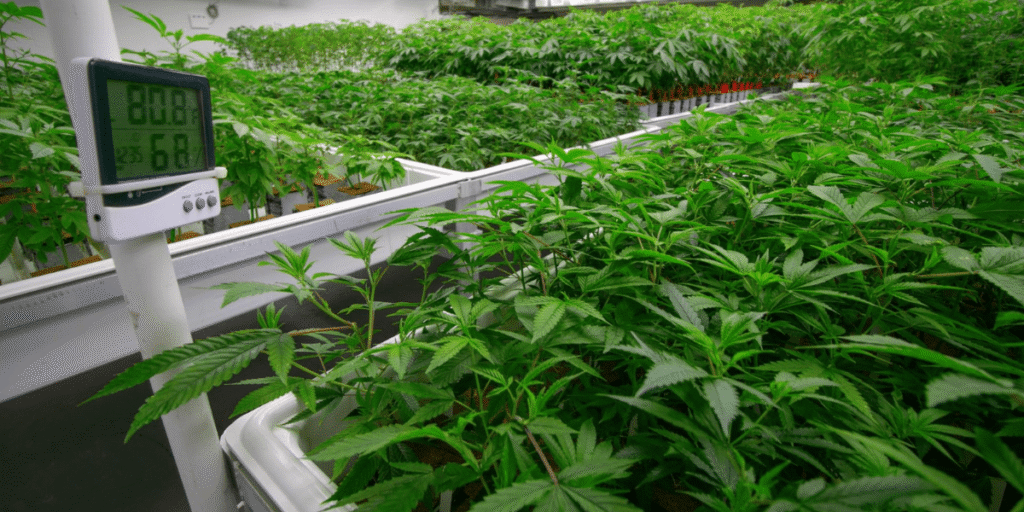
Step-by-Step Guide Explaining How to Repot Weed Plants Safely at Home
Repotting cannabis doesn’t have to be intimidating if you take it step by step. Start by choosing the right new pot. A common progression is to move from a solo cup to a 1-gallon pot, then a 3-gallon, and finally a 5-gallon container, giving your roots plenty of room to expand.
Next, prepare your fresh growing medium. Pre-moisten soil, coco coir, or your preferred substrate so it’s easier to work with and provides a comfortable environment for the roots. Before you start, water your plant lightly; a slightly moist root ball holds together better and reduces transplant shock.
Gently remove the plant from its current pot by tipping it sideways, supporting the base of the stem, and easing the root ball out. Take a moment to inspect the roots. Healthy roots should be white and firm, while dark or smelly roots indicate damage that needs trimming.
Place the plant in the center of the new pot and fill around it with the fresh growing medium, lightly patting it down to support the stem without compacting the soil too much. Finally, water gently to help the soil settle and remove any air pockets. This careful approach helps your cannabis adapt quickly to its new home, setting the stage for stronger growth and a more productive plant.
Common Repotting Mistakes to Avoid When Moving Cannabis Plants to New Pots
Even experienced growers can make mistakes when repotting cannabis, so it’s important to be mindful. One common error is skipping watering after transplanting. While it’s good not to overwater, giving the plant a gentle drink helps the soil settle around the roots and reduces transplant shock.
Another mistake is jumping to an oversized pot too quickly. Moving your plant from a small container straight into a huge pot can overwhelm the roots and lead to overwatering issues, so it’s better to increase pot size gradually.
Be careful not to damage the roots with too much force when removing the plant from its old container. Tugging or twisting can injure delicate roots, slowing growth and stressing the plant.
Lastly, repotting during flowering should be avoided unless absolutely necessary. The stress of transplanting during this stage can stunt bud development and lower overall yields. By keeping these points in mind, you give your cannabis the best chance to thrive in its new home and grow stronger, healthier, and more productive.
FAQs Growers Often Ask About Repotting Marijuana Plants and Their Benefits
Q1: How do I know if my cannabis is root-bound?
If you see roots circling the bottom of the pot or poking out of the drainage holes, your plant has likely outgrown its container. Gently loosen the roots with your fingers before repotting to encourage outward growth. Avoid cutting too much unless the roots are really crowded or damaged.
Q2: Is it safe to repot during flowering?
Repotting during flowering is stressful for the plant and can slow bud development. It’s generally better to wait until the vegetative stage unless the plant is really struggling in its pot.
Q3: How much bigger should the new pot be?
A good rule of thumb is to choose a pot 2 to 3 times larger than the current one. This gives roots room to expand without overwhelming them, which helps prevent overwatering issues.
Q4: What type of soil should I use for repotting?
A light, airy mix with good drainage works best. Ingredients like perlite or coco coir help maintain oxygen around the roots. For an extra boost, you can mix in mycorrhizal fungi to improve root health and nutrient absorption.
Q5: Should I fertilize immediately after repotting?
It’s best to wait about 5 to 7 days. Fresh soil often contains enough nutrients for the roots to recover. Fertilizing too early can stress the plant before it has a chance to adapt to its new home.
If you’re working with young seedlings, check out our guide on transplanting cannabis seedlings to make sure your plants get off to a strong start.
Does Repotting Cannabis Plants Really Increase Yield and Boost Potency Levels
Repotting cannabis doesn’t directly make buds bigger, but it sets the stage for a stronger, healthier plant. When roots have enough space to spread out, they can absorb water and nutrients more efficiently, which supports vigorous growth above the soil. A well-developed root system means the plant can produce more foliage, support heavier branches, and ultimately grow larger, denser buds.
Think of it like giving your plant a bigger home: once it has room to stretch and breathe, it can focus its energy on flowering instead of struggling to survive in a cramped pot. Over time, this translates into better overall health, stronger stems, and a more productive harvest.
Expert Tips on Repotting Cannabis Plants for Indoor and Outdoor Cultivation
Repotting your cannabis plants might seem tricky at first, but with a little care, it’s one of the best ways to set your plants up for success. Giving roots more room to grow strengthens the whole plant and helps you get bigger, healthier buds at harvest.
Have questions or want some expert tips? The Greenfuturelight team is here to guide you. Show us your progress on Instagram @Greenfuturelight, we love seeing your plants thrive!
For more insights on hydroponics, grow lights, and plant care, check out our website at www.greenfuturelight.com.
Looking to give your plants the best environment possible? Explore our premium LED Grow Light Collection for energy-efficient solutions that support strong, vigorous growth.
Need one-on-one advice? Contact Our Team today for a free consultation and personalized guidance.
Grow smart, grow strong, and grow with Greenfuturelight!