Cannabis clone dying can be one of the most stressful moments for any grower. You took a cutting from a healthy mother plant, placed it into your growing medium, and now it is wilting, yellowing, or looking like it might collapse. It is easy to feel frustrated or even a little hopeless, but do not panic because almost every grower has been there.
When a clone struggles, it usually comes down to a few common and fixable issues. Maybe the humidity is too low, the light is too strong, or the cutting is not getting enough oxygen to start growing roots. Sometimes it is the mother plant that was weak or stressed, or tools that were not completely clean.
The good news is that most clones can recover. With careful attention, patience, and the right environment, those fragile cuttings can bounce back and grow into strong, healthy plants.
Why Your Cannabis Clone Is Struggling to Develop Roots
When your cannabis clone starts showing signs of distress, it usually begins right after you take it. Remember that clones are cuttings without roots, which makes them extremely delicate during the first week to ten days. If you notice your clone wilting, flopping over, or drooping, it does not necessarily mean it is dying. Often, it is simply struggling to grow roots and establish itself.
What your struggling clone really needs is a gentle, supportive environment. High humidity above 75 percent helps prevent the cutting from drying out, while a moderate temperature between 22 and 26 degrees Celsius, or 72 to 78 degrees Fahrenheit, keeps it comfortable. Place the clone in soft, indirect light so it can photosynthesize without getting stressed. Daily misting helps maintain moisture and encourages root growth. Remember, until roots develop, your clone cannot take up water properly, so every little care matters. Be patient, and handle it gently, and soon you should see new roots forming and a stronger, healthier plant beginning to grow.
How Too Much Light Can Stress and Kill Cannabis Clones
Light stress is a common reason why cannabis clones struggle or appear to be dying. Many growers assume that more light will make plants grow faster, but for delicate clones, too much light can actually be harmful. Exposing a young cutting to intense, high-powered LEDs is a lot like shining a bright flashlight directly in a baby’s eyes,it can shock the plant, cause stress, or even burn the leaves, leaving your clone drooping, curling, or looking unhealthy.
To keep your clone happy, use gentle, diffused light that won’t overwhelm it. Light strips designed for clones, such as GreenFuture Light strips, work well when placed around 18 to 24 inches above the cutting. You can also position clones in a bright shaded area where they get enough light to start photosynthesis without being exposed to harsh direct beams. The goal is to provide enough light to encourage growth while keeping your cutting calm and comfortable.
Preventing Stem and Root Rot in Weak Cannabis Clones
Water and tools play a bigger role in the health of your cannabis clones than many growers realize. Using dirty scissors or any cutting tool that hasn’t been properly cleaned can introduce bacteria or fungi, which can quickly lead to rot even before your clone has a chance to grow roots. Similarly, tap water that contains chlorine, heavy metals, or other impurities can stress the cutting and make it more vulnerable to disease. This is one of the most common reasons clones fail in those first critical days.
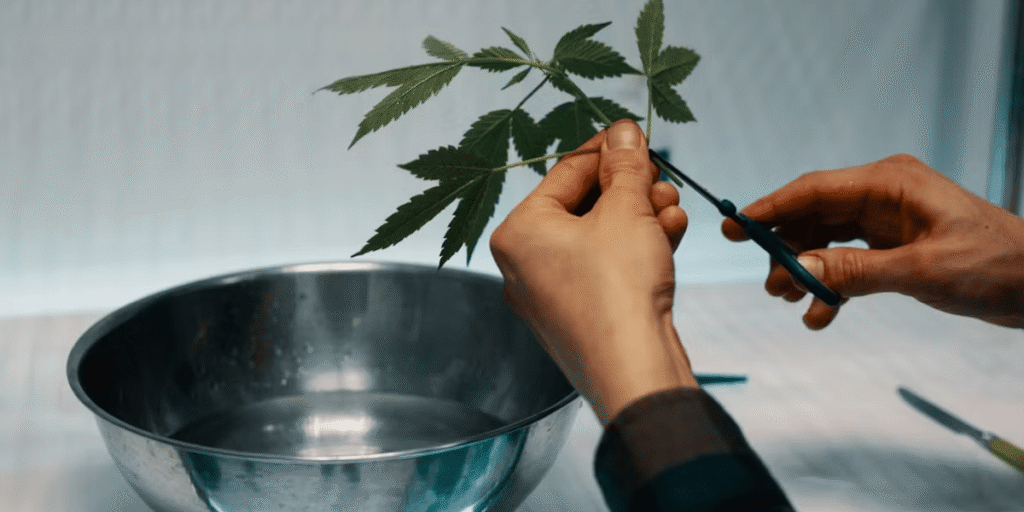
To give your clone the best start, always use clean, sharp, and sterilized tools when taking or trimming cuttings. Water should be filtered, dechlorinated, or left to sit for a day to allow chemicals to dissipate. Keep your trays, propagation domes, and any containers thoroughly sanitized. A little attention to cleanliness goes a long way in keeping your clones healthy and giving them a strong chance to root successfully.
Avoid Taking Cuttings from Weak or Flowering Mother Plants
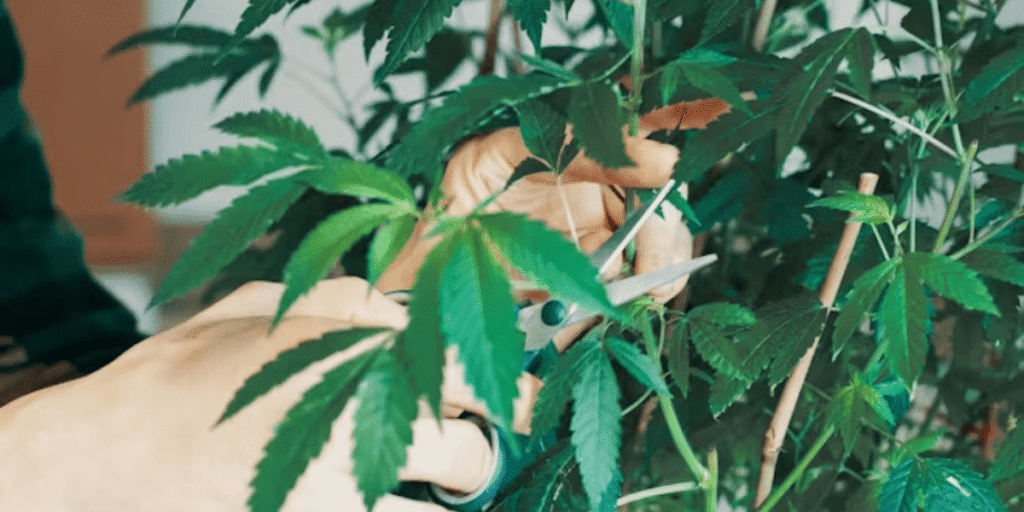
One of the biggest reasons clones fail is the source plant itself. Cuttings taken from stressed, weak, or flowering mother plants often struggle to root, grow slowly, or never regain their strength. This is sometimes called “monster cropping,” and while it can produce interesting results in some cases, it is risky for beginners and often ends with a dying clone.
For the best chance of success, always take cuttings from healthy, vigorous plants that are in the vegetative stage. Look for stems that are strong and flexible, with plenty of healthy leaves. A cutting from a plant that is thriving and stress-free will establish roots faster, grow more quickly, and give you a much stronger, resilient clone.
Top Mistakes That Cause Cannabis Clones to Wilt or Fail
If your cannabis clone is still struggling, it is a good idea to pause and take a careful look at what might be going wrong. Clones are extremely sensitive and even small mistakes can add up quickly. Start by checking your environment. Humidity that is too low, temperatures that are off, or light that is too intense can all stress the cutting. Next, examine your water and tools. Dirty scissors, contaminated water, or unsanitized trays can introduce bacteria or fungi that cause rot. It is also important to consider the source plant. Cuttings taken from weak, stressed, or flowering plants may struggle to develop roots and might never fully recover.
By reviewing each of these factors carefully, you can spot issues early and make adjustments before it is too late. Catching mistakes now can save your clones from dying, help them start rooting faster, and give them the healthy, vigorous growth they need to thrive. Spending a few extra minutes troubleshooting can make a huge difference and turn a struggling tray into a successful one.
Easy-to-Clone Cannabis Strains for Better Success Rates
Not all cannabis strains are equally easy to clone and some are much more forgiving than others. Certain strains root faster, recover more quickly from stress, and are less sensitive to minor mistakes, which is especially helpful if you are still learning how to care for cuttings. Beginner growers often find success with strains that have strong, sturdy stems and healthy, vibrant leaves, as these cuttings are more likely to survive the critical first days without roots.
Choosing the right strain can significantly reduce the chance of your clone dying and save you from unnecessary frustration. Easy-to-root varieties allow you to observe and learn the nuances of humidity, light, and watering without constantly worrying about losing your clones. By starting with forgiving plants, you can build confidence, refine your techniques, and watch your cuttings establish roots more quickly and develop into vigorous, thriving plants. Over time, once you are comfortable with the process, you can experiment with more sensitive or challenging strains.
Choosing the Right Medium to Keep Your Cannabis Clone Healthy
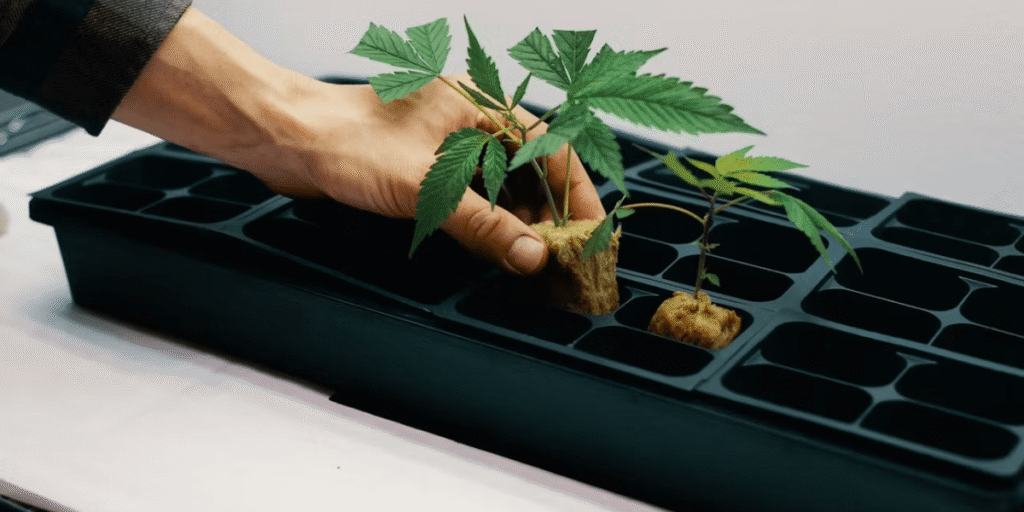
When it comes to cloning, the medium you choose can make or break your success. Each option has its own strengths and weaknesses, and understanding them will help you pick the one that matches your skill level and setup.
| Method | Pros | Cons | Best For |
|---|---|---|---|
| Rockwool Cubes | Excellent balance of water and oxygen retention, easy to handle, widely available | Must be soaked and pH-adjusted before use, not environmentally friendly, can dry out quickly if neglected | Hydroponic growers or those with controlled environments |
| Peat Plugs (Jiffy Pellets, Root Riot, etc.) | Natural material, beginner-friendly, holds moisture well, roots usually establish easily | Can stay too wet if overwatered, breaks down over time, less reusable than other mediums | Beginners looking for a simple, forgiving option |
| Aeroponic Cloners | Fastest root development, very high oxygen availability, reusable system | More expensive, requires pumps and regular cleaning, higher learning curve | Advanced growers who want speed and efficiency |
| Coco Coir Plugs | Renewable and eco-friendly, good moisture retention, encourages strong root growth | Can dry out faster than peat, requires more frequent monitoring | Growers who prefer a sustainable option and have some experience |
| Perlite/Vermiculite Mix | Cheap and widely available, provides excellent drainage, reduces risk of overwatering | Can be messy to handle, does not hold cuttings firmly, requires trays or containers | Budget-conscious growers or experimenters |
| Rapid Rooters (biodegradable plugs) | Easy to use straight out of the bag, good moisture balance, eco-friendly | Can be more costly than peat plugs, may dry out faster in low humidity | Growers who want convenience and consistency |
Pro tip: If you are just starting out, stick to peat plugs or rockwool cubes. They are the most forgiving and give you a higher chance of success while you are learning. Once you gain confidence, you can experiment with more advanced methods like aeroponics or try eco-friendly options such as coco coir plugs.
Common Questions About Cannabis Clones That Are Not Rooting
Q1. My clones keep wilting even though I’m misting them. What’s wrong?
Misting helps but clones need steady high humidity around 75 to 90 percent. Also check the growing medium because too wet or too dry can make them droop. The key is balance with a consistently moist medium and humid air.
Q2. Can I feed my clones nutrients right after cutting?
Not yet. Clones cannot absorb nutrients until roots form. Feeding too early can burn the delicate tissues. Stick to plain water or a very light rooting solution until roots appear.
Q3. My clones have slimy, brown stems. What’s happening?
This is stem rot, usually caused by overwatering, poor airflow, or dirty tools. Remove affected clones immediately, improve airflow, and clean all your equipment.
Q4. Why do some clones take forever to root?
Even with careful attention, some cuttings take longer or fail. The health of the mother plant, genetics, and small changes in the environment all matter. Patience and stable conditions are important.
Q5. Can I clone outdoors?
You can clone outdoors but it is harder because wind, direct sun, and temperature changes can stress the cuttings. Indoors, you can provide gentle light, steady warmth, and consistent humidity, which improves the success rate, especially for beginners.
Grower Tips to Rescue Wilting or Dying Cannabis Clones
Cloning can feel frustrating when cuttings keep drooping or failing, but with the right environment and a little patience, your success rate can improve dramatically. Focus on clean tools, gentle light, consistent humidity, and strong, healthy mother plants. Many growers discover that small adjustments such as fine-tuning the temperature or choosing a better cloning medium can make the biggest difference.
One grower shared, “After switching to GreenFuture’s clone lights, my success rate jumped from 50 percent to nearly 100 percent. No more crispy leaves.” Experiences like this show that once you refine your setup, fragile cuttings can quickly turn into thriving young plants within just a few weeks.
In the end, successful cloning is less about luck and more about consistency. Give your cuttings the right care, learn from each attempt, and before long you will have trays full of strong, healthy clones ready to grow.
Final Steps to Save and Strengthen Struggling Cannabis Clones
Why struggle with weak clones or unpredictable results? With the right environment and proper lighting, your cannabis cuttings can turn into strong, thriving young plants faster than you think. Clean tools, steady humidity, and gentle light aren’t just tips,they’re the foundation of cloning success.
Explore our range of efficient LED grow lights and hydroponic solutions at www.greenfuturelight.com. Whether you’re rooting your first tray of cuttings or scaling up for a bigger grow, we’ve got the tools to help you succeed.
Not sure where to start? Our team of cultivation specialists is here to guide you through every step, so your clones have the best chance to thrive. Growing should feel simple, consistent, and rewarding.
Connect with us on Instagram @Greenfuturelight and share your journey with a community of growers who are making cloning and indoor farming easier every day. Together, we can turn fragile cuttings into healthy harvests.